
VOL. I, ISSUE 6
The Note
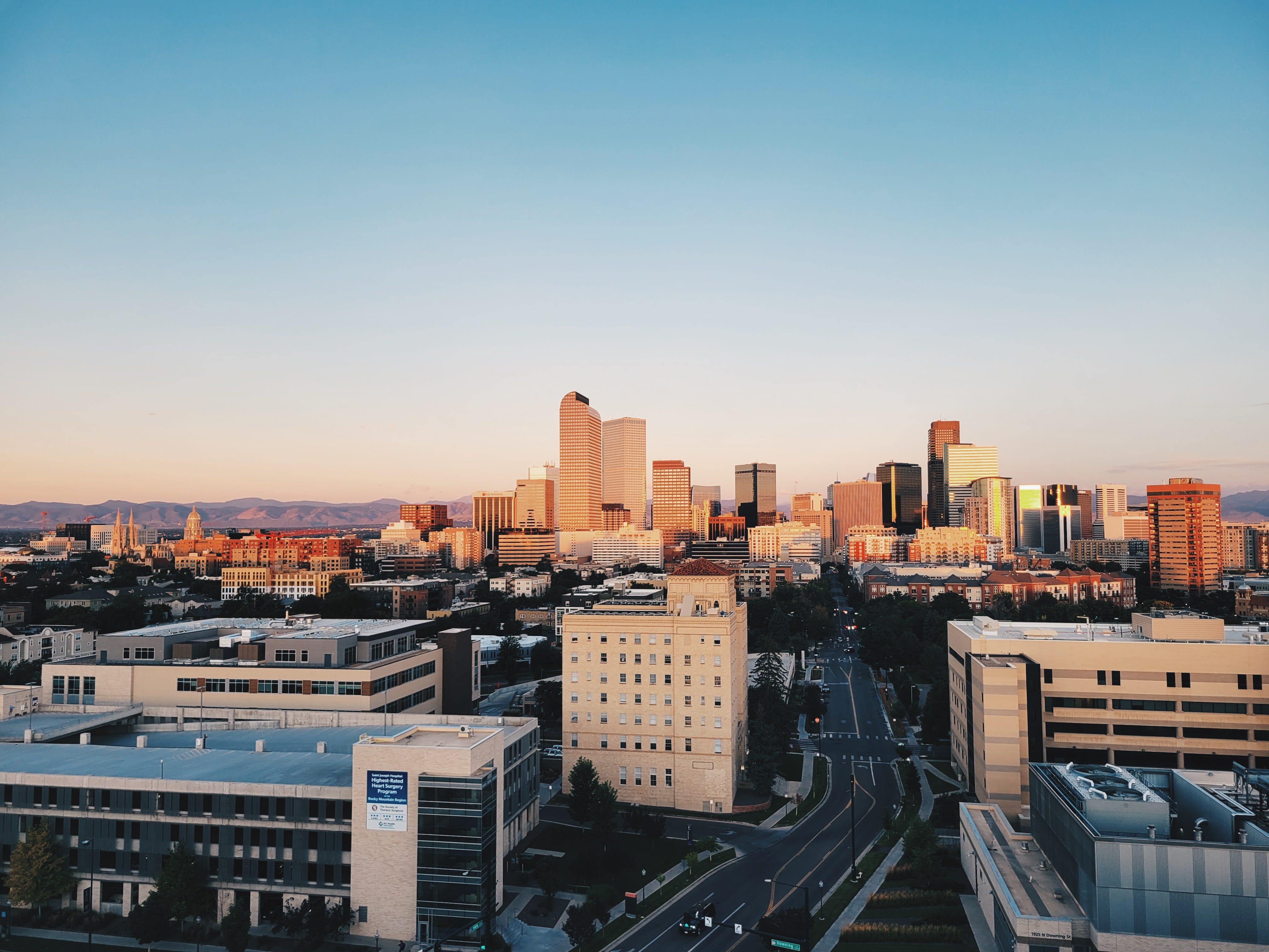
Denver spent decades as a gateway city, a place to pass through on the way to somewhere else. Skiers drove straight to Vail and Aspen, hikers to Rocky Mountain National Park. The city accommodated this transience with efficient highways and practical hotels, optimized for overnight stays before an early mountain departure.
The mountains still anchor everything. They rise sharply to the west, providing a natural compass visible from downtown intersections and rooftop bars. Winter brings them closer with crystalline air, their snowy peaks outlined against cobalt skies. Spring reveals their faces again as snow recedes, summer softens them with afternoon thunder building over ridgelines, autumn turns the foothills to rust and gold. The city breathes with the seasons, as dictated by the mountains.
But Denver has stopped being merely the gateway. Michelin arrived in Fall 2023, validating what locals already knew about the dining scene. The Denver Art Museum rotates major exhibitions that previously bypassed the Mountain West (currently, Pissarro’s Impressionism is on display). Chef-driven restaurants source from Colorado ranches.
The elevation still defines the culture in practical ways. Coffee requires altitude-adjusted extraction ratios. Bread dough rises faster in the thin air. Bodies need days to fully acclimate. Locals drink more water. Newcomers underestimate the sun’s intensity at 5,280 feet. Bartenders pour lighter knowing the altitude amplifies everything. But the altitude conversation has evolved from excuse to identity. Denver no longer apologizes for not being Aspen. It has become an elevated city in every sense, where urban sophistication meets mountain pragmatism, and the view west provides context.
The Escape
Denver is best experienced over three to four days for proper immersion. The city’s chef-driven restaurants, Front Range produce culture, and the rhythm of urban sophistication intersecting with mountain proximity require time to observe rather than rush through on a stopover to Telluride.
One neighborhood anchors extended stays, representing Denver’s evolution from gateway city to destination in its own right.
Cherry Creek North: Where Design District Meets Residential Peace
The neighborhood stretches along tree-lined streets east of downtown, where independent boutiques occupy brick storefronts between art galleries and interior design studios. This is Denver’s design district, where locals shop for contemporary furniture and where Saturday farmers markets fill parking lots with Palisade peaches and grass-fed lamb from ranches along the Front Range.
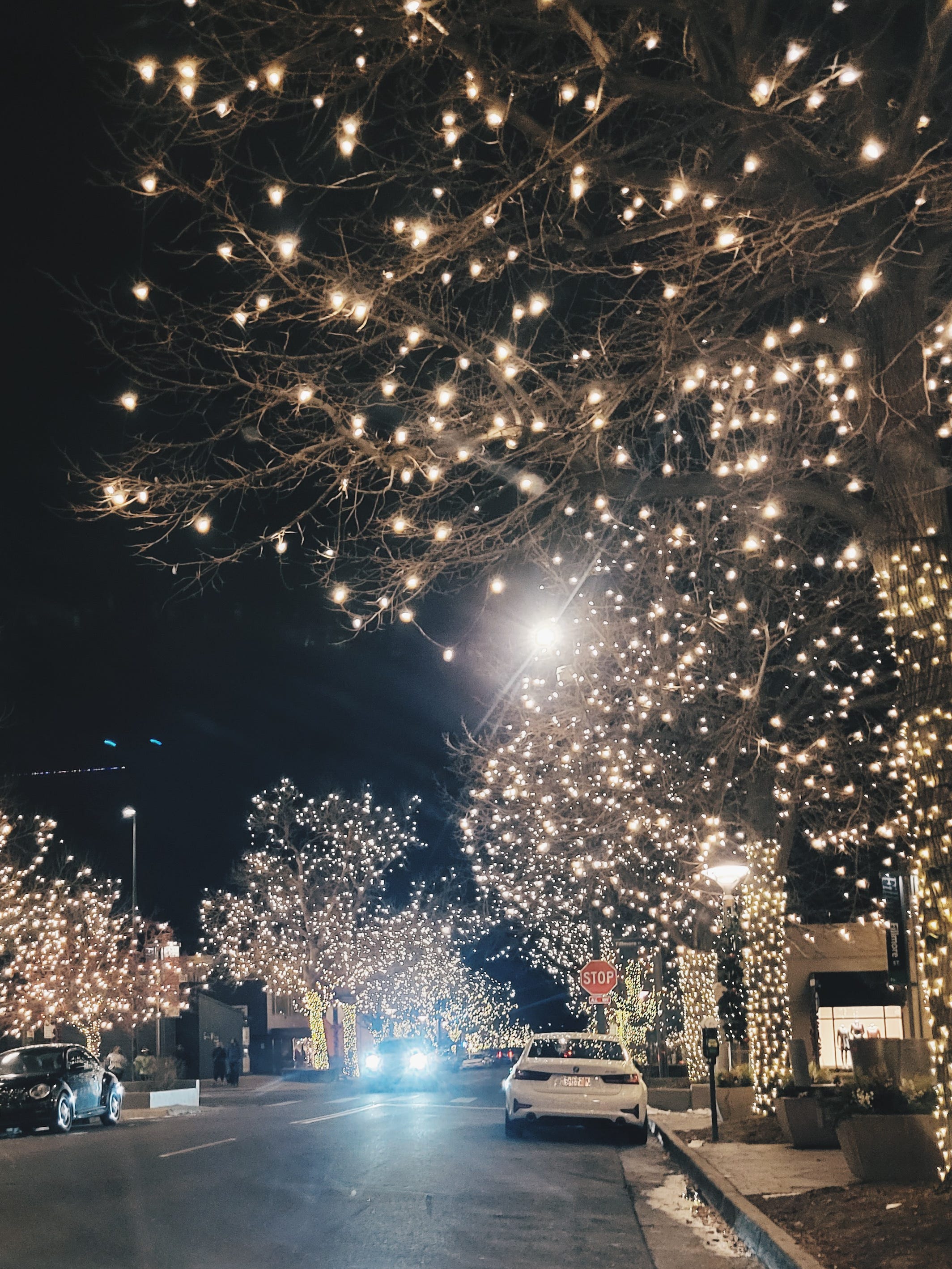
The energy shifts with the seasons. Winter wraps trees in string lights that glow against early darkness. Spring brings blossoms to manicured residential blocks. Summer means outdoor tables at European-style cafés where conversations happen over pour-overs. The neighborhood balances urban density with residential quiet. Close enough to downtown’s serious dining (fifteen minutes by car) but removed enough to offer morning runs on streets where you hear birds instead of traffic.
Cherry Creek positions you in the center of Denver’s design consciousness. The shopping district’s concentration of independent retailers reflects the same curatorial sensibility that defines the city’s evolving restaurant scene: quality over convenience. Stay here if you value walkable access to design culture.
Broomfield: Suburban Logistics Between Two Cities
Head northwest along the highway corridor between Denver and Boulder, and the urban density dissolves into residential suburbs. Broomfield sits geographically convenient. Equidistant from both cities, but culturally removed from either. Chain restaurants, shopping centers designed around parking lots, and residential blocks where the main activity is lawn maintenance.
I stayed at the Renaissance Boulder Flatiron Hotel, which delivers on logistics. Direct highway access to Denver (25 minutes) and Boulder (15 minutes). Spacious bathrooms, mountain views, and a lobby of rugged brown stone with wood accent walls referencing Colorado’s natural aesthetic. Guest rooms continue the theme in muted grays and dark browns. Functional, yet standard.
The hotel operates efficiently. The neighborhood offers nothing. Worth considering only if you’re splitting equal time between Denver and Boulder and prioritize highway convenience over neighborhood atmosphere. Otherwise, Cherry Creek provides urban context with only marginally less convenient access to Boulder, or stay in Boulder itself if that’s where you’ll spend most of your time. Broomfield is the compromise that satisfies logistics.
The Return List
Places that merit deeper exploration on future visits, either because they require time, season, or circumstance this trip didn't allow.
Anchors Cherry Creek North between two art galleries on Clayton Street. Fully renovated from the previous JW Marriott Denver Cherry Creek in 2022, Hotel Clio now seeks to capture Colorado’s history during the Gold Rush through nods to mining through commissioned art pieces and neutral colors. The hotel’s Fifth Avenue Club offers private shopping appointments with stylists who understand Denver’s specific climate demands. (Editor’s Note: It is unclear how this amenity will change with Saks Fifth Avenue’s recent filing for Chapter 11 Bankruptcy protection.) West-facing upper-floor rooms provide the mountain context of downtown. Rooms from $309. Requires overnight evaluation to confirm whether the renovation by Wilson Ishihara Design and shopping-district positioning deliver on Cherry Creek’s design-forward promise or simply serves as a convenient accommodation in the right neighborhood.
The Brown Palace Hotel and Spa
Opened in 1892 in the aftermath of Denver’s Gold Rush. The exterior is granite and sandstone from the Western US and centers the experience in Denver’s rich history. The interior was originally designed in the era’s popular Italian Renaissance Revival style. The property has since undergone several major renovations, most recently in 2021 lead by Forchielli Glynn, the same mastermind behind the spa renovation at the Peninsula Beverly Hills. Rooms vary from modern-leaning to more historic. The property is perhaps best known for its variety of suite options, each with their own character that nod to it’s Gilded Age origin. Rooms from $229 - $307, base pricing reflective of the season. Requires overnight evaluation to confirm whether historical atmosphere translates to contemporary comfort or simply photographs well in the lobby.
Glass tower in downtown, one block from Larimer Square, positioned for downtown access. Guest rooms are designed to reflect the mountain views throughout the day with a palette of cool grays, blues, and whites. The hotel features sculptures and paintings by local artists, and its Edge Bar offers fare from local producers. The spa offers altitude-specific treatments and attracts Denver residents as well as hotel guests, suggesting that it functions as a destination in its own right rather than merely a hotel amenity. Rooms from $525. Needs proper stay to assess whether the cultural specificity overcomes the generic glass-tower architecture that could be anywhere.
The Table
The Wolf’s Tailor
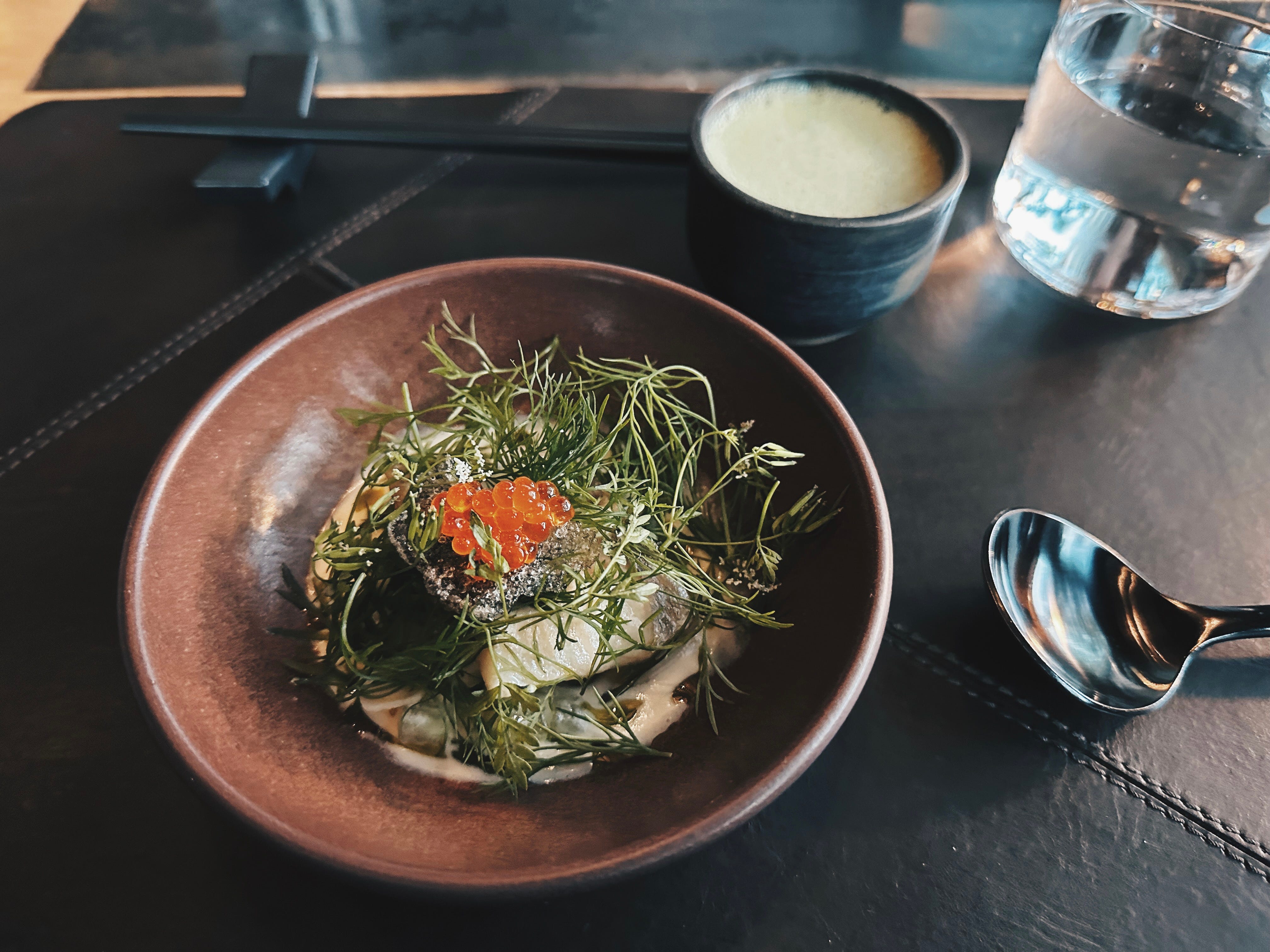
The Wolf’s Tailor sits in an industrial corner in Sunnyside, where chef Kelly Whitaker’s tasting menu follows a philosophy he calls “system to table,” reflecting the aim of reducing waste and supporting the producers in the supply chain. This restaurant uses local farmers to mill its grain and sources from Colorado ranches. The menu reflects the seasonal changes of the natural environment. For the winter season, the focus is on the corn that the restaurant planted in Colorado last year.
Request the mixed cocktail pairing. The bar program sources spirits from Colorado distilleries and creates pairings that complement each course without overwhelming the delicate grain-forward flavors Whitaker builds. The pacing is leisurely, and the atmosphere is muted yet unpretentious, reflecting Denver’s culinary ambition. I first tried the experience before Michelin visited Colorado, and the restaurant has recently received their second star, reflecting their commitment to continue culinary innovation and sustainability.
Weekday reservations do not require significant lead time. For weekend dinner, reserve one month ahead. Menus starting at $225 per person.
Brutø
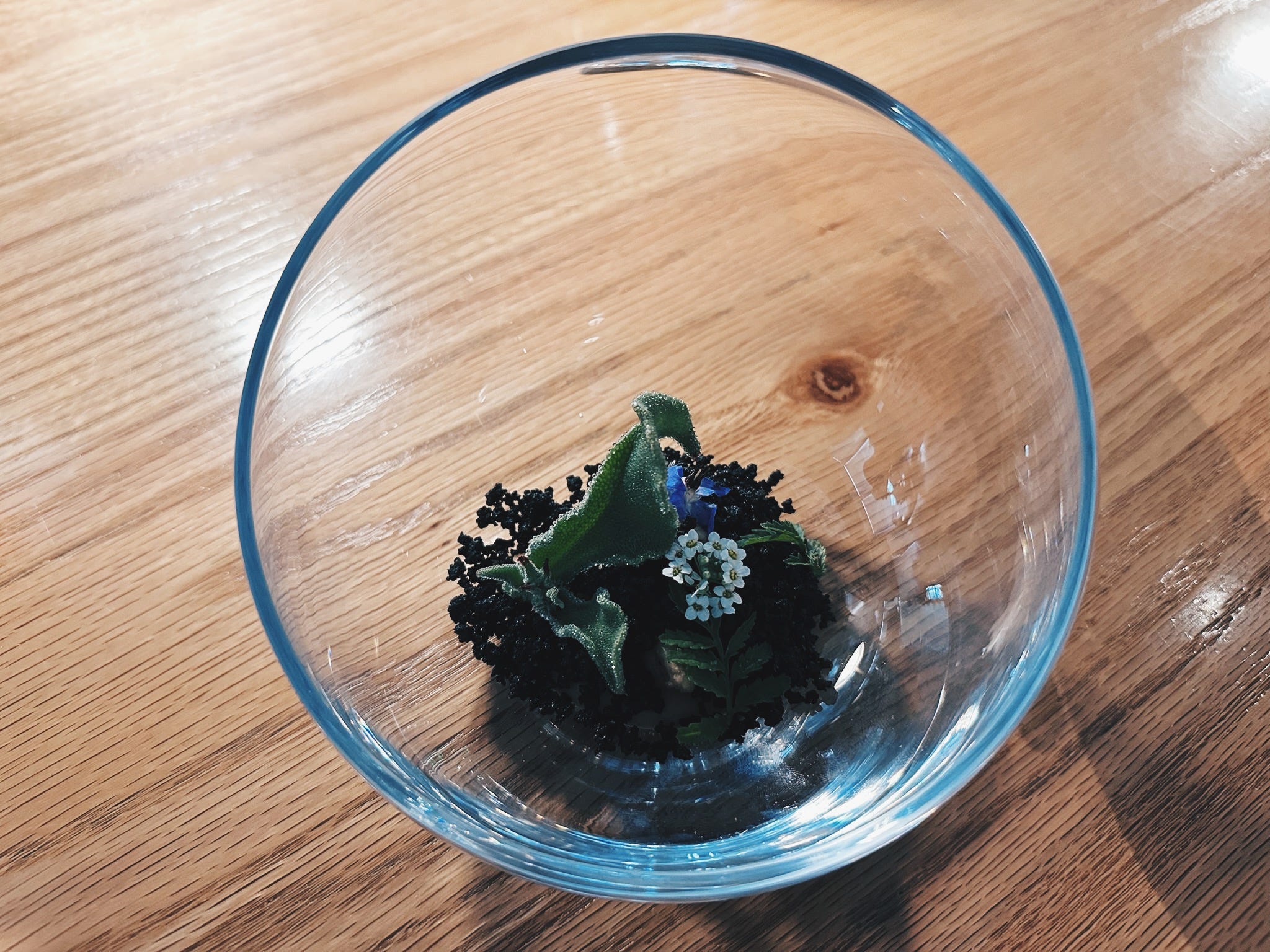
From the same hospitality group behind the Wolf’s Tailor, Brutø is a more casual approach to dining is an exploration of the local environment and its effect on food centered on brutalism. Chef Byron Gomez incorporates inspiration from global techniques into a dining experience that showcases local produce and highlights Denver’s value of sustainability. The menu shifts with the seasons, but the hearth is always central to the cooking techniques.
The restaurant occupies a single room in the heart of downtown Denver. Whites and warm wood with light filtering through large windows reflect the chef’s Scandanavian inspiration. The experience is a shared 18-seat communal bar centered around the hearth, creating an intimate dining experience that allows diners to participate in the kitchen.
Reserve one month ahead for weekends. Dinner tasting menu start at $180 per person.
Poulette Bakeshop
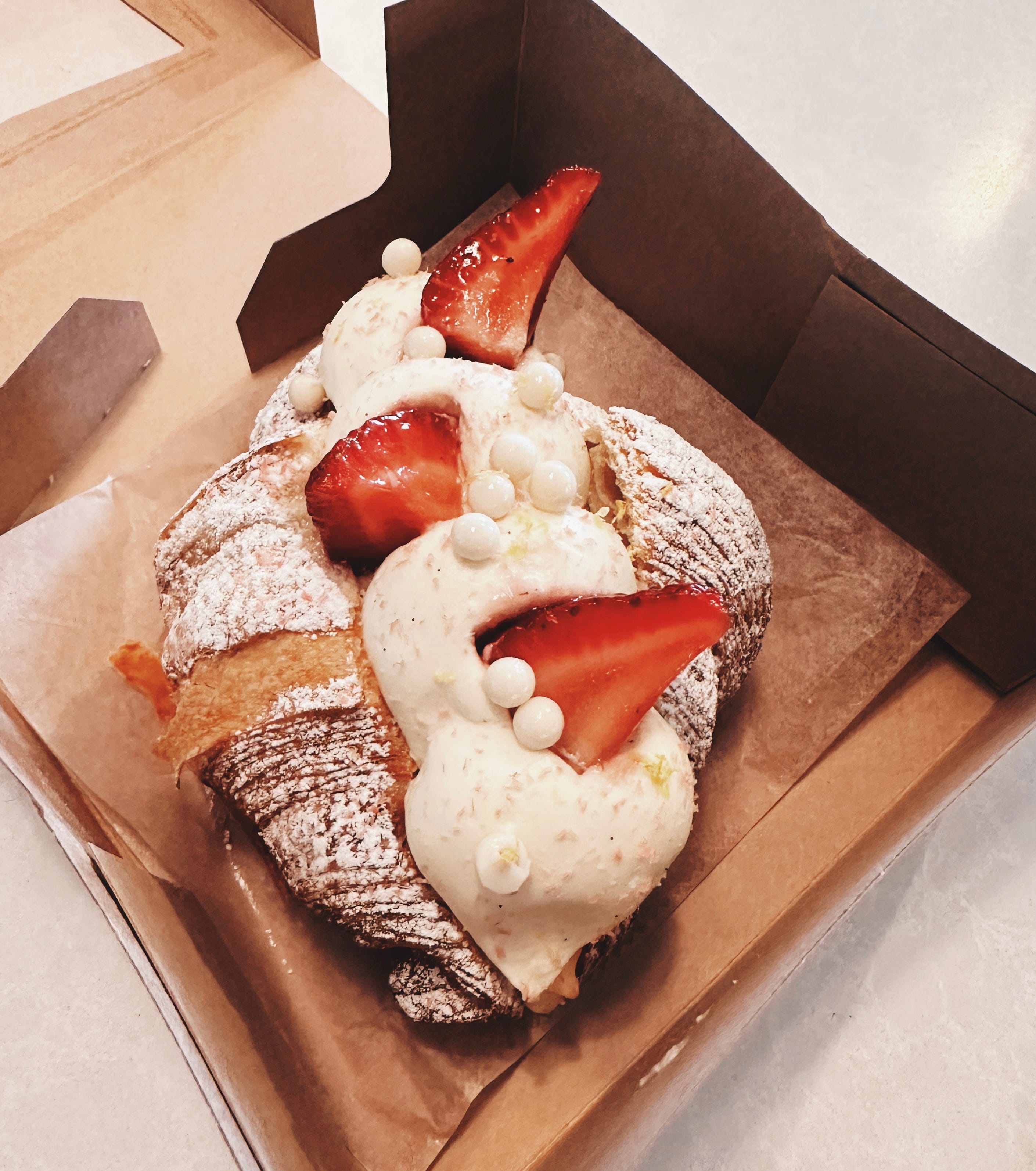
Trained in Paris, Chefs Alen Ramos and Carolyn Nugent have worked across Europe and the United States before opening Poulette Bakeshop, a French patisserie in Parker, a quiet suburb south of metro Denver. The location has now been recognized by the James Beard Foundation for the past three consecutive years but continues to reflect Denver’s character: serious craft made casual. European technique in a laid-back neighborhood storefront where regulars patiently wait in hiking boots and Patagonia fleece.
The pastry case holds the classic French pastries from butter croissants with the proper lamination to pain au chocolat with custardy interior. The patisserie also features more experimental flavors that rotate regularly. Check their instagram or visit in-store for current availability. Everything is made daily using French techniques.
No reservations and no seating. New larger location with seating opening March 2026. Wednesday to Saturday from 8am-3pm. Expect a wait on weekend mornings. Visit early before favorites sell-out. Preorders available via Instagram to bypass the line. Pastries $5-10, cakes ~$25.
Edgewater Public Market
Edgewater Public Market occupies a converted industrial space along the western edge of Denver, where casual communal dining tables connect independent food vendors, craft breweries, and retail stalls. This model, mixed-use markets as social gathering spaces, appears throughout Denver (Stanley Marketplace in Aurora, Avanti Food & Beverage in the Highlands) and reflects the city’s collaborative social food culture. Vendors share space, customers move between stalls, breweries pour local craft beer for crowds eating arepas from one vendor and dumplings from another.
Edgewater’s anchor is Black Box Bakery, where yuzu, ube, and matcha are infused into crisp French pastries. The pastries are light with proper French technique and modern creativity. Buy a selection to enjoy at the communal tables while the market’s energy flows around you. Arrive in the morning for the largest selection, although neighboring stalls won’t be open yet. Expect a wait on weekends.
The space fills with locals around lunch and dinner. No reservations. Parking can be challenging on weekends. Arrive early or use street parking in the surrounding residential neighborhood.
The Boulder Dushanbe Teahouse
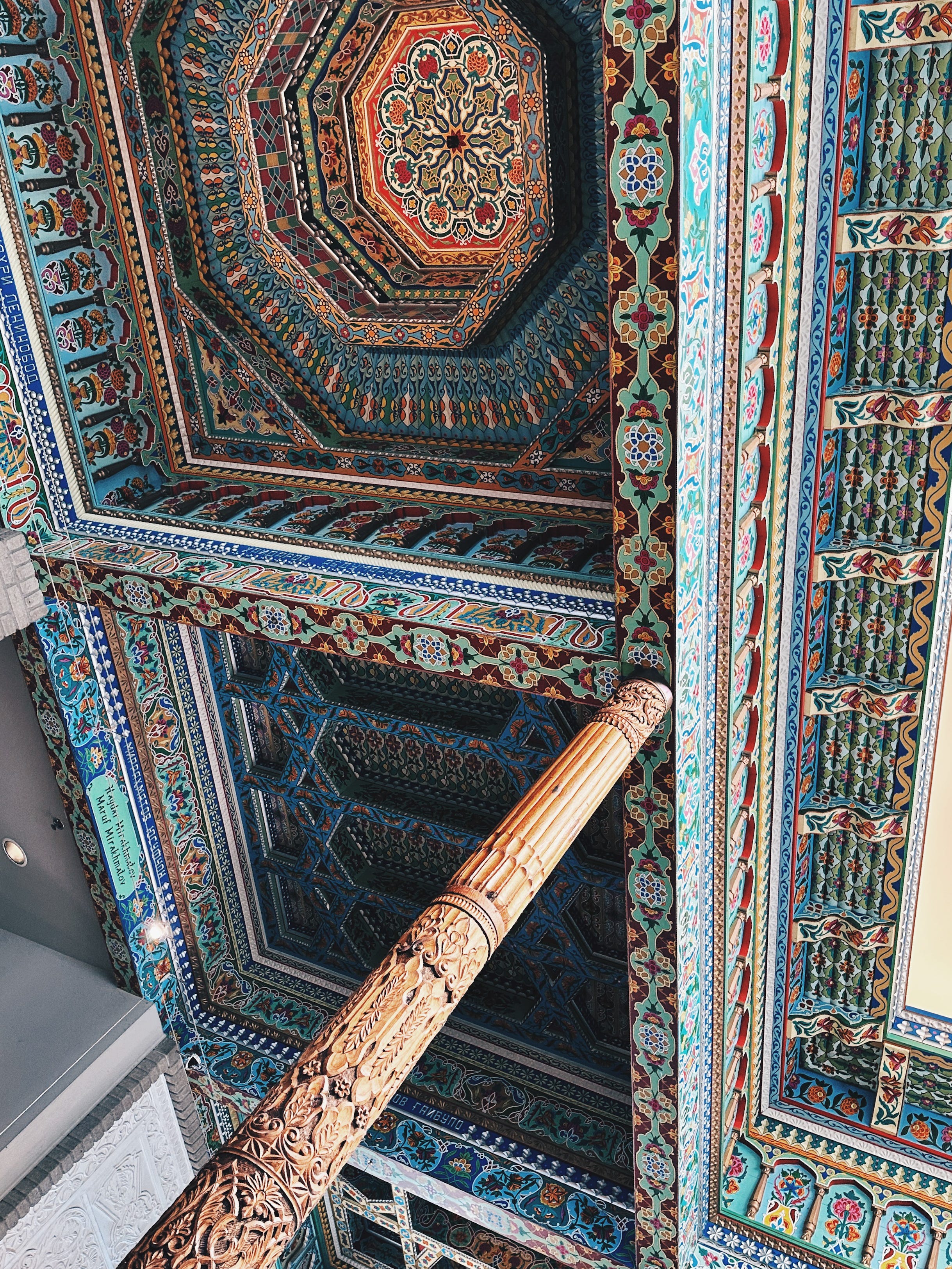
Twenty minutes north of Denver, Boulder’s sister-city relationship with Dushanbe, Tajikistan, produced an unexpected cultural landmark. The Boulder Dushanbe Teahouse is the largest teahouse in the United States, handcrafted by Tajik artisans and shipped to Boulder in pieces before being reassembled in downtown Boulder. The building itself is the experience. Intricate hand-carved wood and hand-painted ceilings, all surrounding a space that functions as restaurant, teahouse, and architectural monument.
The herbs are grown at the restaurant’s nearby organic farm in Lafayette. The tea selection can also be purchased to bring home with teas emphasizing health benefits, from digestion and immunity to relaxation, reflecting Colorado’s broader wellness culture. The menu leans international-inspired (shakshuka, Kookoo Sabzi, and dim sum offering during tea time), but the real reason to visit is the space itself and the tea service. Purchase your favorite teas as a souvenir or gift.
This is a cultural experience more than a culinary destination. Locals bring out-of-town visitors here to demonstrate Boulder’s character: health-conscious, internationally-minded, and architecturally curious. Worth the drive from Denver if you’re interested in how mountain cities build identity through unexpected cultural artifacts.
Open daily for lunch and dinner. Separate menu for weekend brunch. Reservations required for afternoon tea. No reservations for brunch or lunch. Reservations recommended for dinner. Daytime $10-$15 per entree, Dinner $15 - $30.
The Return List
Reservations needing more lead time or luck than this trip allowed.
Chef Duncan Holmes’s tasting-menu-only restaurant in the RiNo arts district. Eight-course progression focused on seasonal ingredients. The space is intimate with eighteen seats organized in close proximity to form a U-configuration around the kitchen. The focus is on community around the food. Requires evaluation to confirm whether the execution justifies the three-month advance reservation and the $215 per person price point.
Chef Toshi Kizaki, credited with bringing sushi to Denver through his earlier restaurants Sushi Den and Izakaya Den, has a new omakase experience in Platt Park, a block from his other restaurants. According to Chef Osamu Fujita of Beverly Hills’ Nozawa Bar, the concept draws inspiration from established experiences (Kizaki consulted with Chef Fujita before his retirement). Limited seating, twenty courses, rice sourced from Niigata prefecture, and traditional edomae technique. Merits verification to assess whether it delivers on its pedigree.
Chef Johnny Curiel’s modern Mexican restaurant in the LoHi neighborhood, focusing on regional Mexican techniques inspired by Curiel’s family restaurant in Guadalajara. Reputation suggests serious approach to Mexican cuisine beyond typical Denver Tex-Mex. One of Denver’s most coveted reservations, requiring reservation booked at 60 days ahead at midnight MST. Requires evaluation to see if the elevated menu lives up to the fight for a reservation.
Chef Lachlan Mackinnon-Patterson’s Italian restaurant next to Union Station, emphasizing handmade pasta and wood-fired preparations. The space occupies prime real estate in the heart of downtown, which sometimes signals tourist-focused operations. However, local reputation and Mackinnon-Patterson’s background suggest more serious culinary intention. Needs firsthand evaluation to determine whether it delivers authentic Italian technique or simply benefits from a high-visibility location.
A pasty concept in the Cherry Creek shopping district, where the Cornish hand pie tradition meets Colorado casual dining. The shop offers traditional versions (beef and potato) alongside creative variations using local-sourced seasonal vegetables. I arrived late afternoon to find the savory pasties sold out, a regular occurrence that signals either popularity or intentionally small-batch production. The peanut butter cookie I purchased instead was thick with a slightly underbaked center and the proper salt-sugar balance, exceptional enough to warrant a return visit earlier in the day when the full menu is available. The cookie’s execution suggests that the kitchen understands baking techniques and ingredient ratios, which bodes well for the pasties. The format aligns with Denver’s character: portable, unpretentious, comfort-focused food executed with care. Come before 2pm on weekends to ensure full selection. Pasties at $12, baked goods $7. The shop also sells frozen pasties to bake at home, practical for extending the experience beyond a single visit.
The Edit
Farmers Markets
Denver’s weekend farmers markets go beyond the standard produce vendors. They’re local institutions where Colorado makers sell their goods, reflecting the state’s craft culture. Cherry Creek’s Saturday market (May through October) fills parking lots with Front Range growers selling Palisade peaches and Olathe sweet corn. In Platt Park, the Front Range produce is offered alongside local makers offering hand-milled soaps using Rocky Mountain botanicals and small-batch cider from Haykin Family Cider (occasionally offering tastings while you browse).
The markets in Denver also host art events, particularly over Memorial Weekend when the Denver Arts Festival takes over Central Park with work from Colorado artists featuring intricate wood carvings, paintings depicting wilderness landscapes, and ceramics glazed to match high-altitude light.
For breadth and consistency, South Pearl Street Farmers Market (Sundays, May to November) and Boulder Farmers Market (Saturdays, April to November and Wednesdays, May to October) offer the most comprehensive selection. Arrive early before the sun is at full strength for more pleasant weather, smaller crowds, and the greatest selection.
Aline Boutique
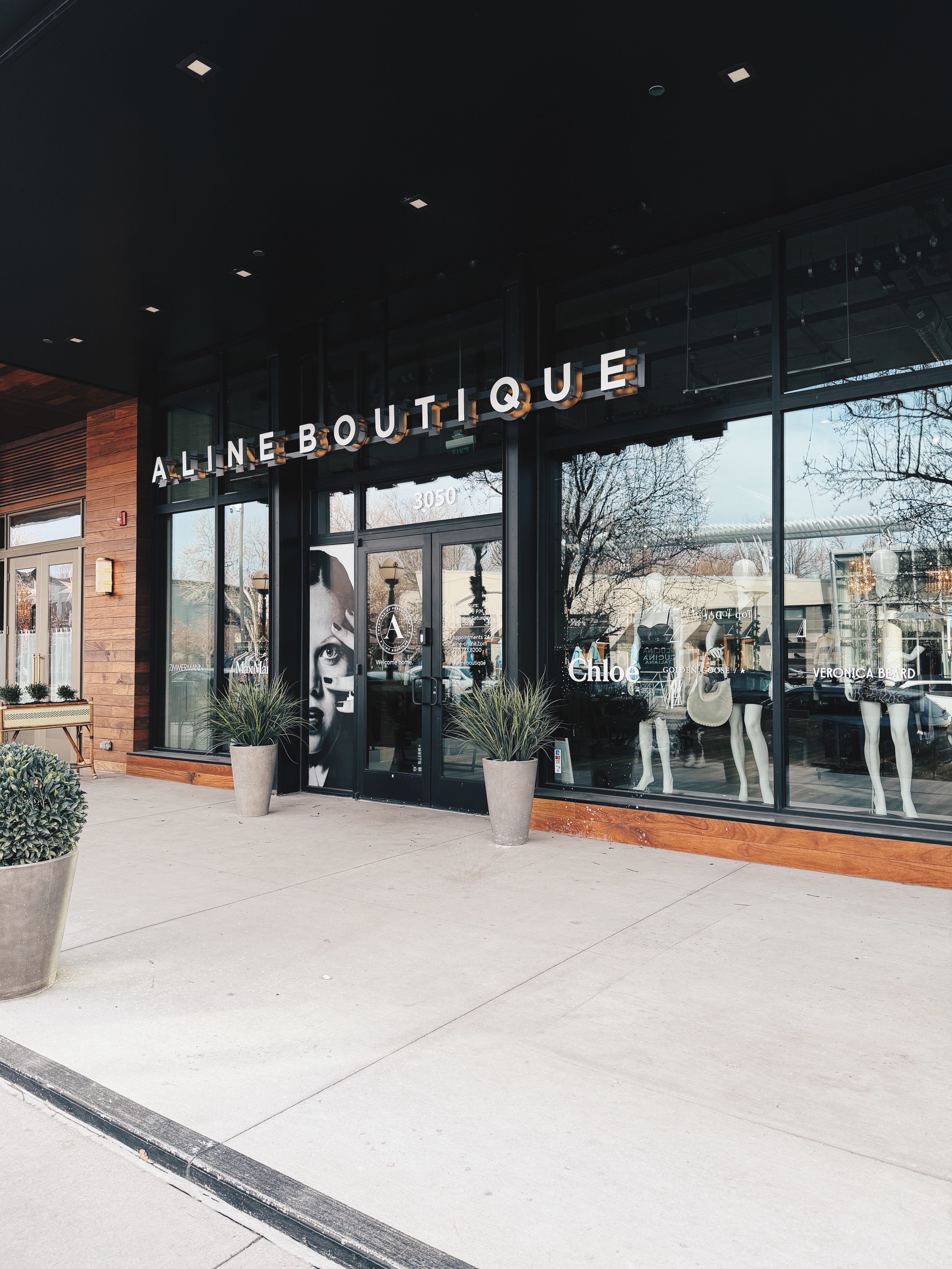
Aline Boutique occupies a corner in Cherry Creek North, where owner Karmen Berentsen offers personalized styling appointments in an environment that balances Colorado’s casual culture with serious fashion curation. This is the rare independent boutique that carries international designers like Linda Farrow eyewear and Max Mara, alongside emerging labels. The curation favors quality and timelessness over trends.
The experience includes champagne while you shop, a gesture that signals the boutique’s ethos of shopping as leisure and experience, not simply a transaction. Berentsen and her staff build relationships with clients, learning preferences and body types to curate selections. The inventory skews toward investment pieces that work across seasons and occasions, from cashmere sweaters and well-cut trousers to leather goods that age well.
Book appointments in advance. Walk-ins are welcome but appointments ensure dedicated attention. Born in Colorado, Aline has expanded to an additional Denver location and to California and Utah.
White Peacock Home and Gift
White Peacock specializes in fine tableware and home gifts with an aesthetic that leans more baroque and decorative than the minimalist Scandinavian design that typically dominates home goods retail. Featured brands include Versace Home, Baccarat, and Costa Nova. The shop’s existence reflects Cherry Creek’s positioning as the city’s luxury retail design district. The offerings extend into art and bridal. The maximalist European design focus is the perfect place to source for second homes in mountain towns to contrast rustic mountain architecture or to find a thoughtful gift.
Browse gilded porcelain, crystal barware, or colorful table linens. The objects make a statement rather than blend. This is opulent, referential, and unapologetic.
Peppercorn
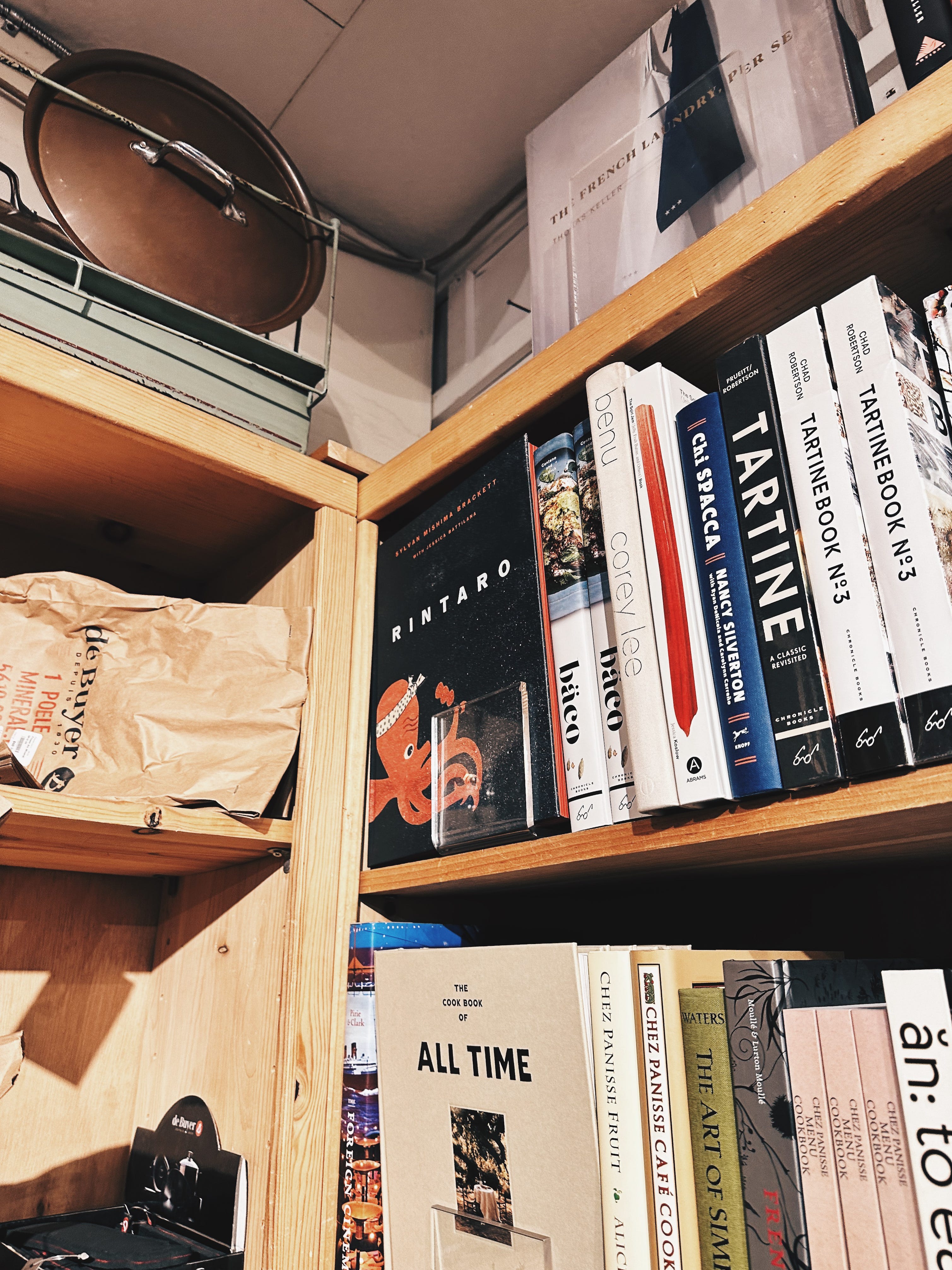
Twenty minutes north in Boulder, Peppercorn has occupied a small storefront on Pearl Street since 1977. What initially began as a small cooking school, Doris Houghland has built a curated selection of cookbooks, kitchen tools, and home goods that spans 12,000 square feet. The book selection goes deep on food culture from explorations of Japanese pâtisserie and French boulangerie to bar techniques. A wealth of working references and cultural education.
The homeware reflects similar curation of copper kitchenware, local coffee beans roasted in Boulder, and Japanese tableware. Everything is selected for quality and functional beauty.
This is the kind of independent shop that you could spend an afternoon browsing, discovering books and tools you didn’t know you needed but will use for years. Located on the Pearl Street pedestrian mall, easily combined with lunch in Boulder before returning to Denver.
The Return List
Shops and showrooms that merit dedicated visits on future trips.
Independent fashion boutique focusing on sustainable labels and mindful design. The emphasis on quality, sustainability, and independent designers aligns with Denver’s values at the intersection of outdoor culture and urban sophistication. The emphasis on ethical sourcing reflects the city’s proximity to nature. Requires a visit to assess whether the curation delivers on the philosophy or leans too heavily on sustainability messaging without corresponding quality.
Long-established women’s boutique in Cherry Creek with reputation for carrying European designers. Competes directly with Aline Boutique in the same neighborhood, suggesting distinct curatorial perspectives. Needs in-person evaluation to determine differentiation and whether both warrant inclusion.
Specialist in high-end fur and luxury outerwear, a practical consideration for Colorado winters where snowfall can occur November through March, and mountain trips require serious insulation. The shop also features seasonal trunk shows from international designers including couture pieces. Requires evaluation to assess quality and whether the specialization justifies recommendation for travelers who might only visit Denver briefly versus residents building winter wardrobes.
Curated vintage and consignment boutique carrying authenticated luxury pieces. The concept is concierge-style with curated personal appointments, transforming shopping into a personalized experience. Merits visit to evaluate authentication standards and whether curation meets Eature quality standards.
On Planning
Denver is best experienced as a long weekend to understand its evolution, or four to five days to balance city and mountain access.
For those familiar with Denver, what deserves deeper coverage on a return visit?
Next Issue: Volume I Issue 07: Kobe. Arrives Sunday, February 8, 2026.
Eature is written for those who care about where they stay, why a place feels the way it does, and how travel fits into a life well-lived.
New here? Read about how Eature works
More Eature Guides: Tokyo | Kyoto | Osaka | Kobe | Nara & Uji | Chicago | Denver | Orange County