
VOL. I, ISSUE 3
The Note
Kyoto feels different in the north.
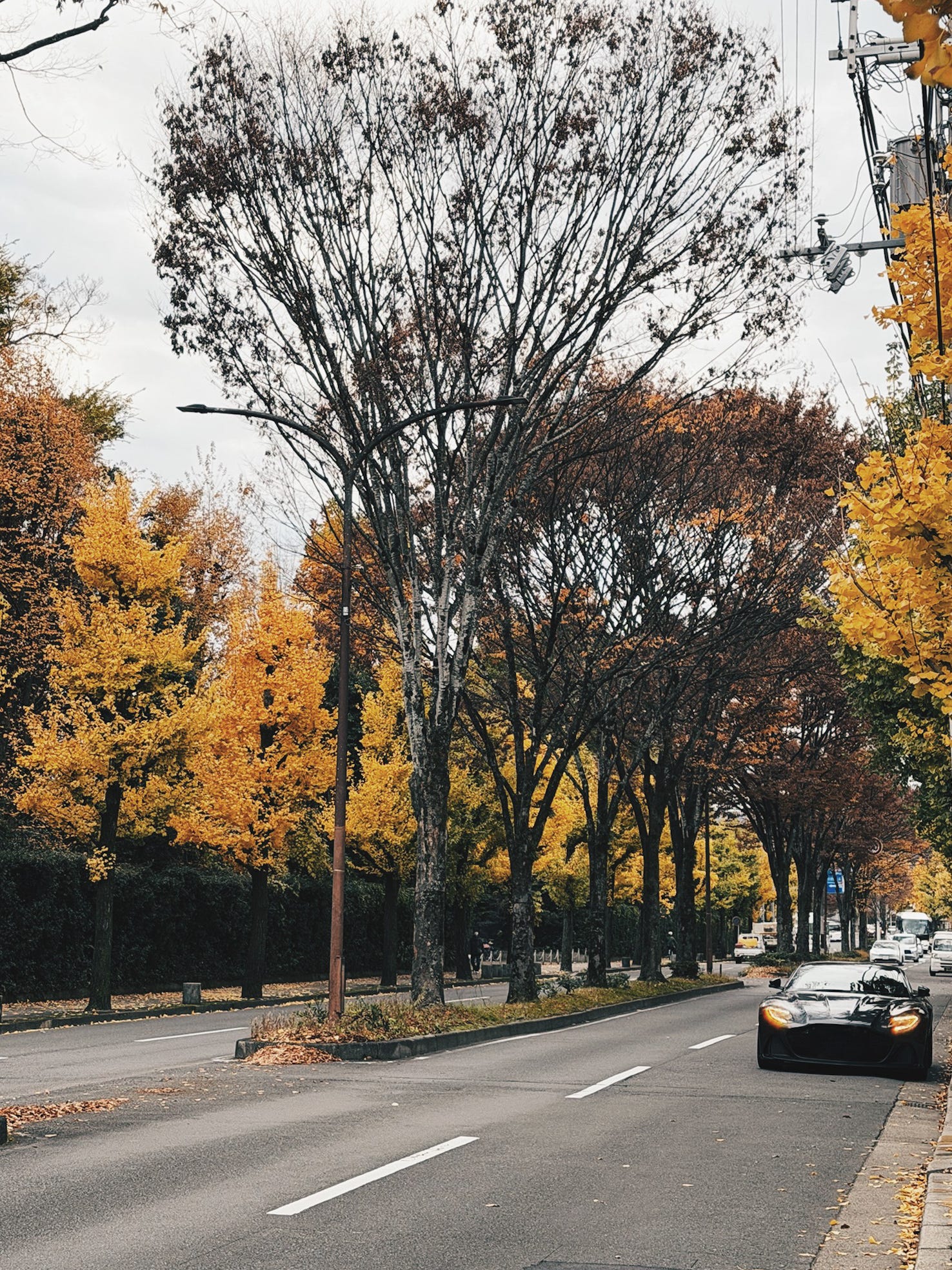
The subway slowly empties with each stop north of Imadegawa. Businessmen in black suits exit first, followed by students bent under the weight of their backpacks, until you’re left with a handful of passengers heading to the final stops: Kitayama and Takaragaike. Above ground, the air changes. Gone is the sweet-shop sugar and incense smoke of Gion. Here, the ginkgo-lined streets are quiet enough to hear wind rustle through leaves.
In Kyoto, tree cover is perfectly intertwined with temples and boutiques. Kyoto is the fusion of nature, culture, art, and a wealth of cuisine. A city designed for seasonal immersion. Brilliant red maples and golden yellow ginkos in November. Pink ume blossoms stark against February snow. Kyoto shines brightest in fall and winter.
Morning in northern Kyoto sounds like the distant rush of the Iwakura river when wind moves through the trees. In the morning, northern Kyoto is quiet enough to hear the wind moving through the trees and the distant rush of the Iwakura River. The light here is filtered through maple leaves in autumn. Even the subway entrance feels deliberate, designed to disappear into the landscape. The city experience is different depending on where you stand.
The Escape
Takaragaike & Kitayama
In Takaragaike, yellow ginkgos and red maples shelter contemporary Japanese homes with German sedans in the driveways. Grandmothers tend gardens overlooking the Iwakura River. Grandfathers walk Shiba Inus down narrow residential streets.
Kitayama sits two stops south on the Karasuma line. The streets are also lined with ginkgos. Small boutiques and Resense, a luxury car dealer, displaying a Ferrari and Lamborghini occupy ground floors of residential buildings. An Aston Martin idles in front of an unassuming bespoke suit shop. The neighborhood feels a world away from Gion, though it’s less than twenty minutes by car.
I once recommended staying near Gion for its historical architecture. As the neighborhood became increasingly crowded, I found it more difficult to experience Kyoto at the restorative pace I prefer. I now stay farther north, while returning to Fion selectively for particular restaurants and cultural sites.
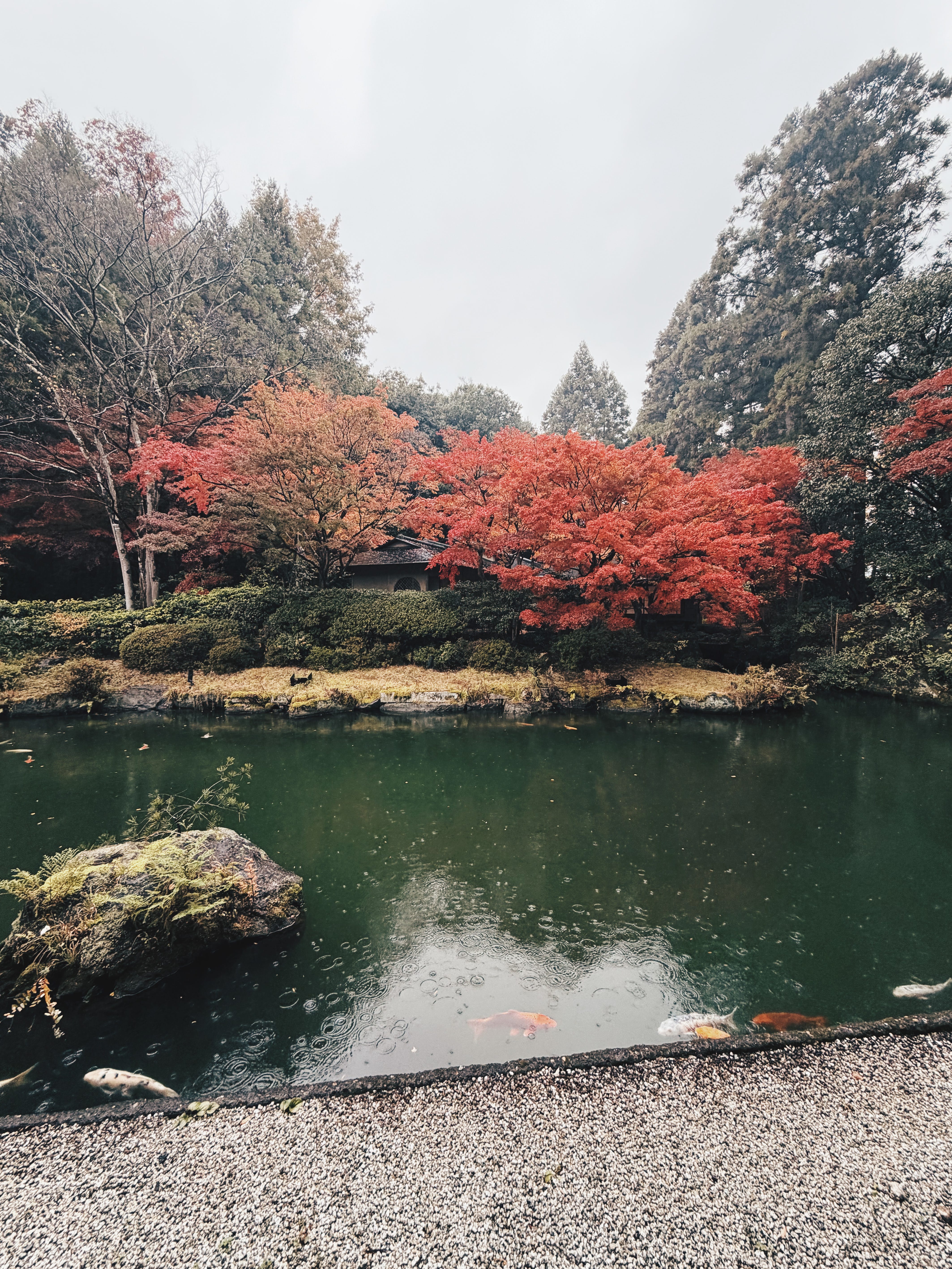
I stayed at The Prince Kyoto Takaragaike on this visit. A property with its own tea house set among maple trees, a private koi pond, and the kind of understated service that defines Japanese luxury. The Prince is a testament to classic Japan. You are greeted at the entrance and are personally escorted to your room upon arrival. The service was attentive from arrival. But the guest rooms and bathrooms need updating. The location is exceptional. The execution doesn’t yet match.
Accommodations on the Eature return list:
The Ritz Carlton Kyoto for canal-side refinement
Aman Kyoto for forest seclusion
Hotel The Mitsui Kyoto for modern Japanese design at a historical site
I’ll return when I can recommend one without caveat.
The Table
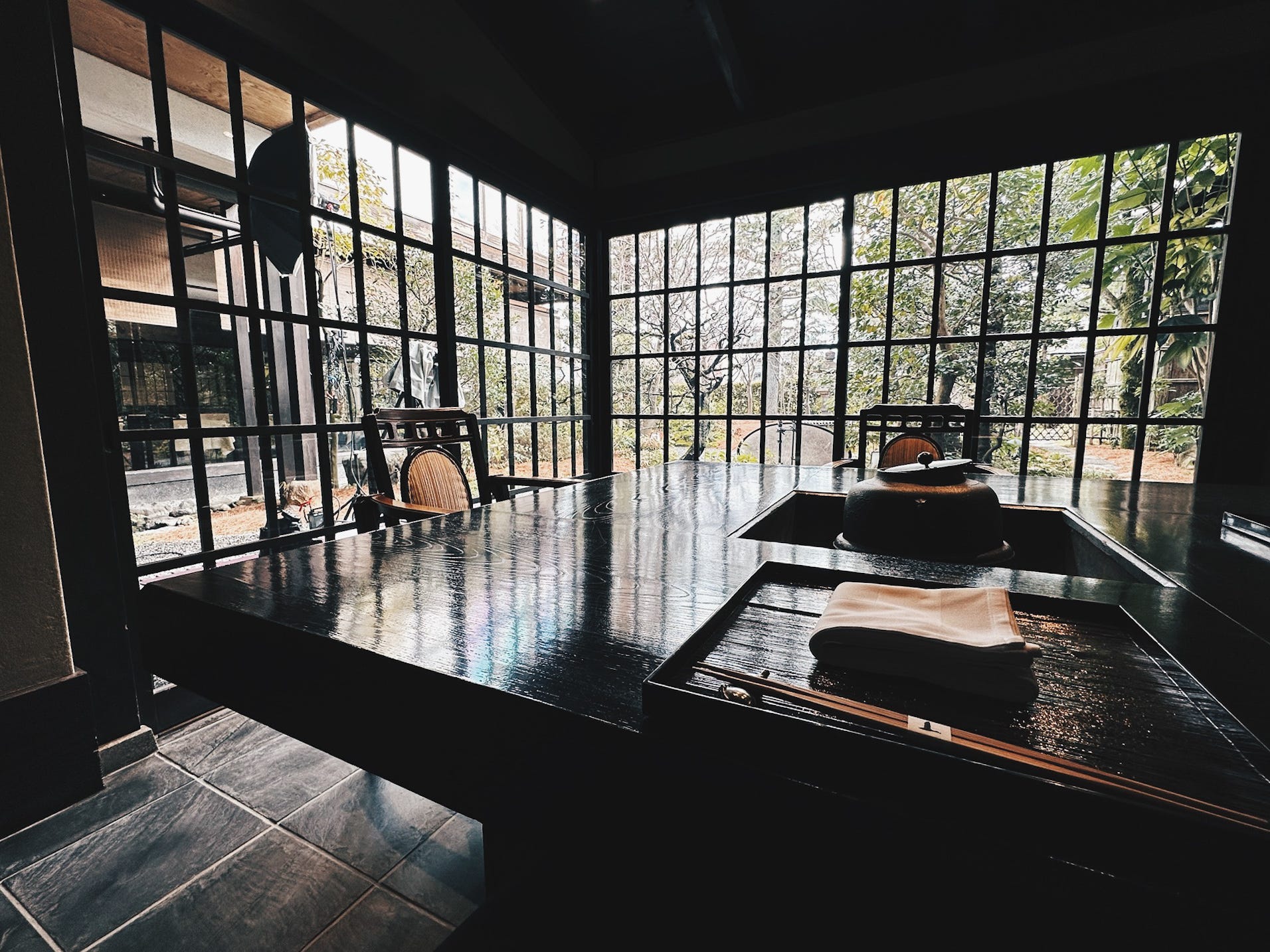
Shimogamo Saryo
Hidden among homes in residential Shimogamo, adjacent to the Shimogamo Shrine, sits a storied kaiseki experience in the setting of a traditional Japanese house. The only indication that you’re at the right place is the shoji curtain declaring the restaurant in Kanji. Shimogamo Saryo was established in 1856 and features its own private garden, which can be viewed from each dining room.
Kaiseki is seasonal philosophy infused into a course of small traditional dishes. What arrives on your tray reflects the best of what’s available now. The ingredients change with the leaves. The progression of appetizer, sashimi, simmered dish, grilled dish, seasonal main, and sweet remains consistent.
Request a private room when booking. The experience centers on the garden view. English is minimal, but service is still friendly yet precise. Courses arrive at a pace that assumes you’re here for the evening, never rushed.
Book on TableCheck. Starting at ¥14300 for lunch kaiseki, ¥22000 for dinner.
Tempura Kyoboshi
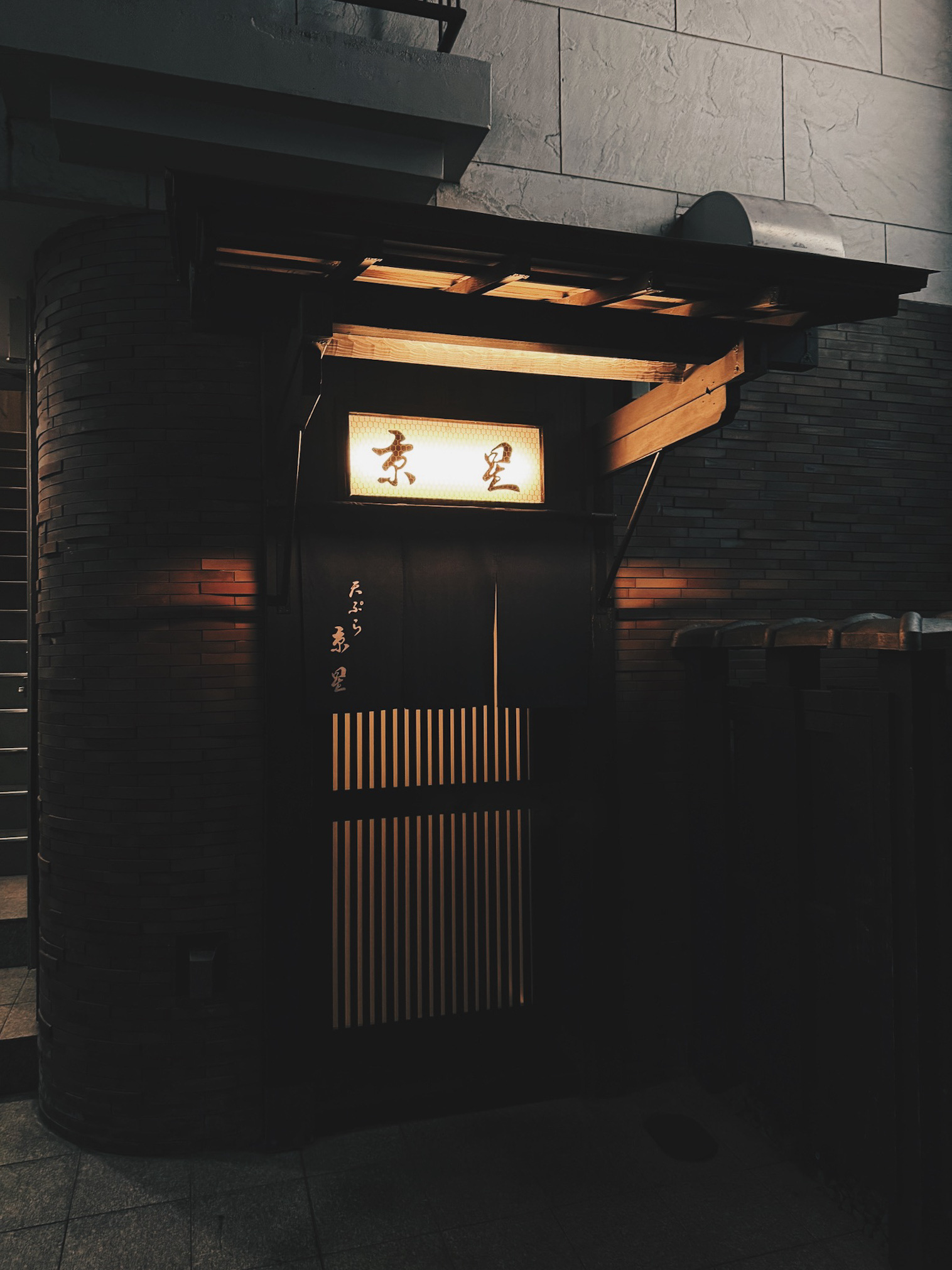
If you venture into Gion, make it for Tempura Kyoboshi. The restaurant sits at the neighborhood’s edge, run by a husband and wife who brought the family’s third-generation tempura practice from Ginza to Kyoto. He fries, she serves. The counter seats eight. One seating per night.
There is no menu, only omakase. 17 to 18 courses of pure tempura, ending with fruit. Trust the chef, who times the fry and places directly onto your plate. Eat immediately. This is extreme technical competence made to look effortless. There’s a reason Tempura Kyoboshi is in his ninth year of holding the coveted Michelin star.
The space is simple. A single dining counter, plain walls, and functional lighting. Nothing indicates destination dining. Which is precisely why it remains one. There is no restaurant website to speak of. English is limited but sufficient. The evening proceeds at 6 PM. Arrive on time.
Starting at ¥16500. Book through your hotel concierge. Smart casual is required. You may pass a geisha on your way to the restaurant. She’ll be heading to work, not posing for photos.
Unagi Hirokawa
At the edge of Arashiyama behind a gated entrance with private parking sits Unagi Hirokawa. A security guard escorts you from the gate to the entrance. Reservations are strict. Access is controlled.
Seating is scattered across two floors with private room options. Large windows allow sunlight to stream across light wood floors, creating an atmosphere that’s both airy and quiet. Each area seats only a handful of guests, making even the communal spaces feel considered.
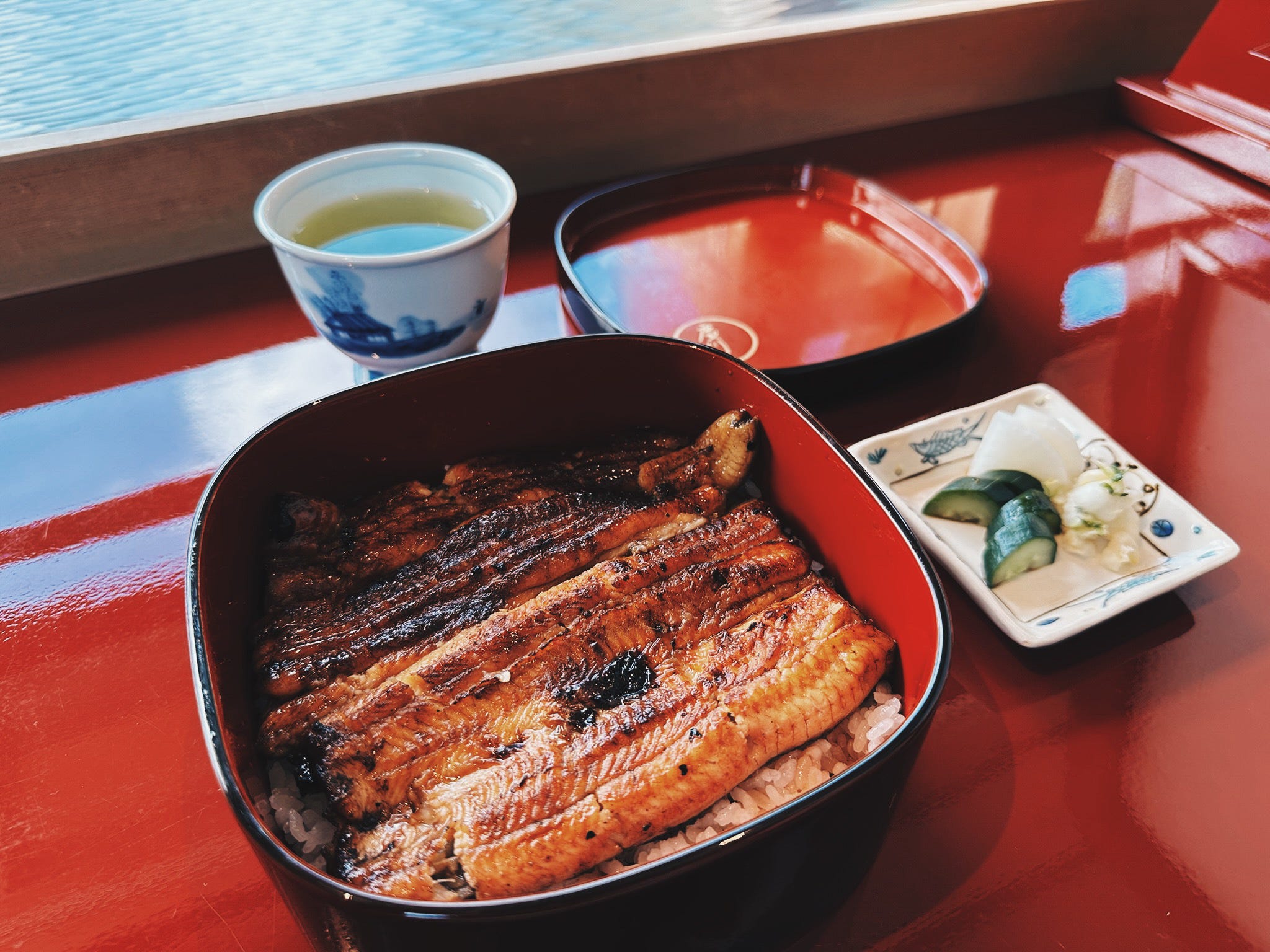
The unagi is steamed and grilled over Kishu binchotan charcoal in an Edomae style. The result is an exterior that borders on char, and an interior that is almost custard. It’s served over rice in a lacquered box. The perfect balance of smoky and sweet.
Courses start at ¥5300. Sit on the second floor for mountain views. For additional privacy, inquire about private room options.
Malebranche Kitayama
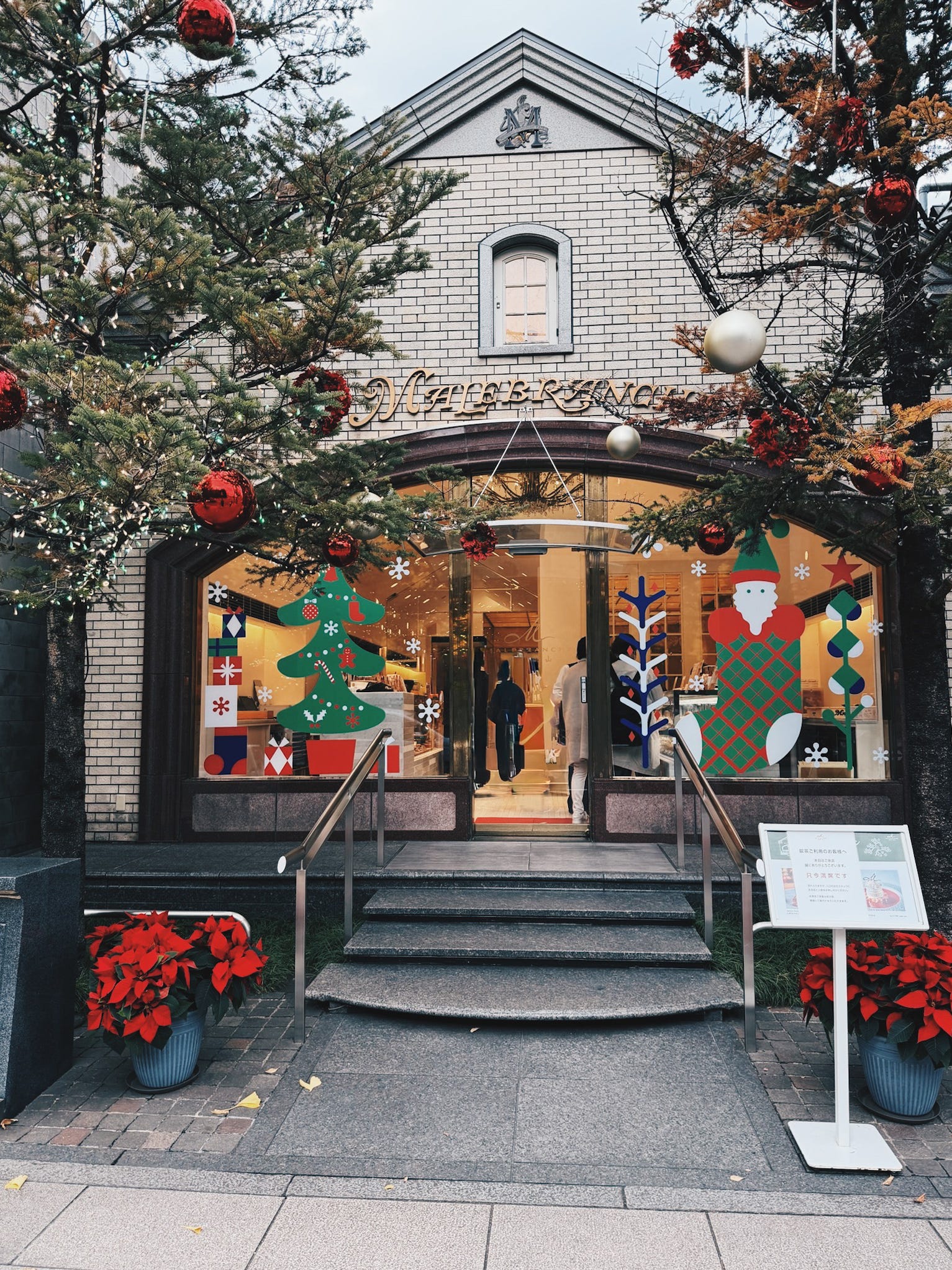
The Kitayama branch of Malebranche is famous for its seasonal Mont Blanc. Light, softly sweet, built on meringue and layered with Japanese chestnut from Tanba. The chestnut vermicelli is piped delicately.
The location matters as much as the dessert. Kitayama’s ginkgo boulevard turns cathedral-gold in mid-to-late November. The café sits on this street, its façade illuminated by Christmas lights in November and December.
This is where locals come for special occasion cakes. There’s minimal English. There’s a wait for tables.
Starting at ¥1,750 for the Monsieur Mont Blanc.
The Edit
Issey Miyake Kyoto
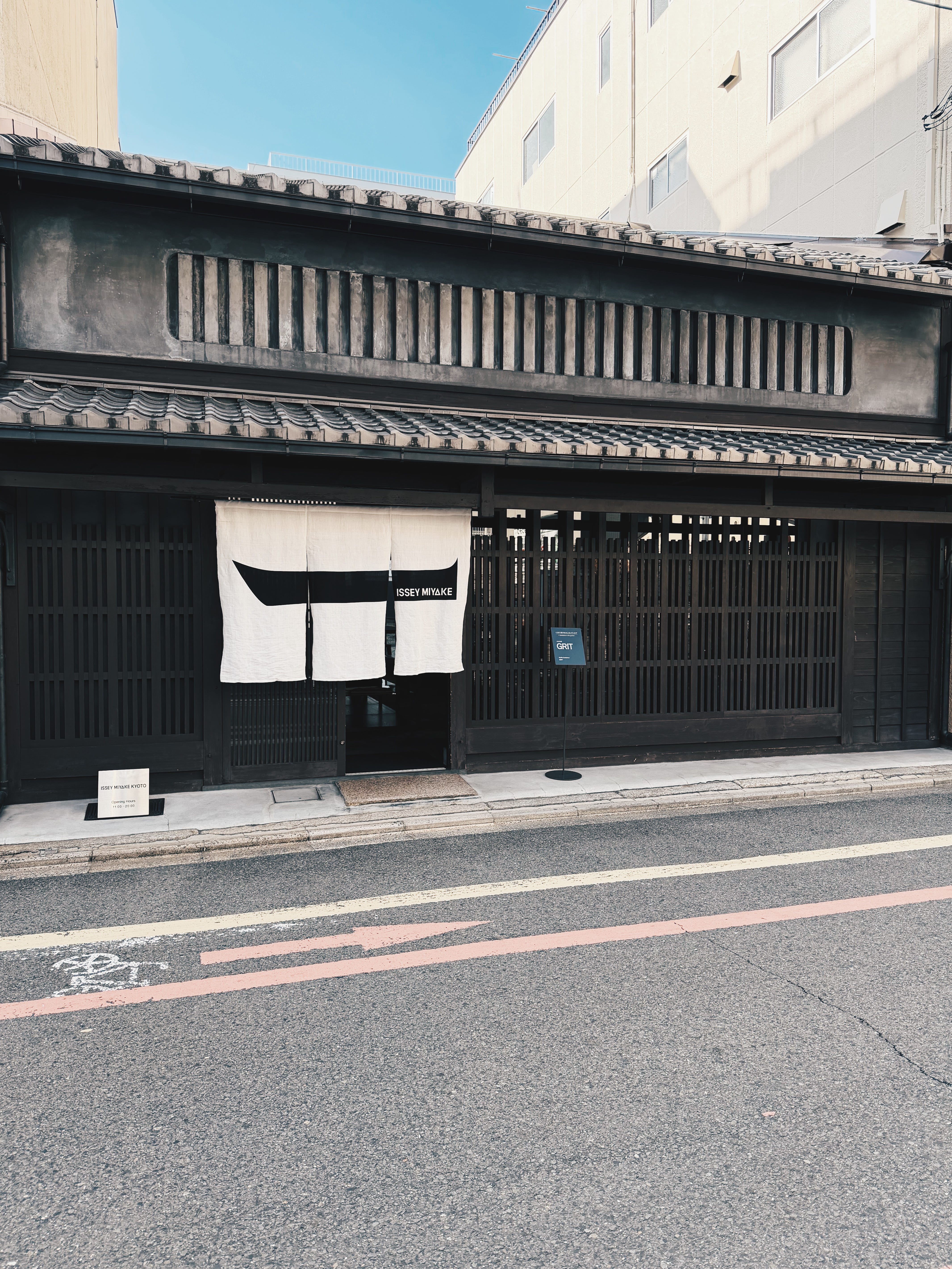
A renovated machiya housing a curated selection of Pleats Please and Bao Bao. The interior features earthen walls and narrow proportions. Negative space is intentionally created to showcase each piece. Darkness with spotlight lighting that makes you slow down.
The clothing is modern avant-garde Japanese with pleating that holds shape while remaining flexible. The iconic bags are made of 3D triangles that change the bag’s shape depending on if it’s carried or placed on a surface. These pieces are perfect for travel, practical yet textured. Investment pieces, not seasonal trends.
Even if you’ve been to other Issey Miyake boutiques, the Kyoto location is worth the visit if only for the store design. Open daily 11 AM to 8 PM. Visit midweek to avoid crowds.
POJ Studio
The home base of POJ Studio, specializing in contemporary Japanese ceramics and homewares made for daily use by artisans, each with their own story. The space is a renovated machiya. Soft white walls and concrete floors. Each piece is displayed with room to breathe. The space feels quiet and contemplative.
On the Eature return list is POJ Studio’s Kintsugi class, finding the beauty in the imperfect. Repairing instead of buying new. Creating unique contemporary from the traditional. Objects that are made to last. The class requires a reservation.
Open daily 10 AM to 5 PM.
Le Labo
Kyoto’s city-exclusive scent is Osmanthus 19, lightly floral mixed with wood, reminiscent of temple grounds.
There are two Le Labo locations. One is a standalone store in the ShinPuhKan contemporary mall and one located in a machiya near Pontocho with its own café. Go to the standalone store to avoid lines.
Daimaru Basement Floor (Instead of Nishiki Market)
Nishiki Market remains historically significant, but its shoulder-to-shoulder crowds can make it difficult to appreciate. When I want a quieter food-shopping experience, I visit Daimaru’s basement depachika one block away for seasonal lunchboxes, pastries, fruit, and tea.
Open daily 10 AM to 8 PM. Go mid-afternoon.
Boutiques on the Return List:
Ogata at the Shinmonzen for traditional Japanese crafts that also function as art
These are the places that make Kyoto feel less like a destination and more like a city you could belong to.
Next Issue: Volume I Issue 04: Orange County. Arrives Sunday, December 28, 2025.
Notes on all prices in Japanese yen. Approximately ¥150 = $1 USD.
Eature is written for those who care about where they stay, why a place feels the way it does, and how travel fits into a life well-lived.
New here? Read about how Eature works
More Eature Guides: Tokyo | Kyoto | Osaka | Kobe | Nara & Uji | Chicago | Denver | Orange County