
VOL. I, ISSUE 8
The Note
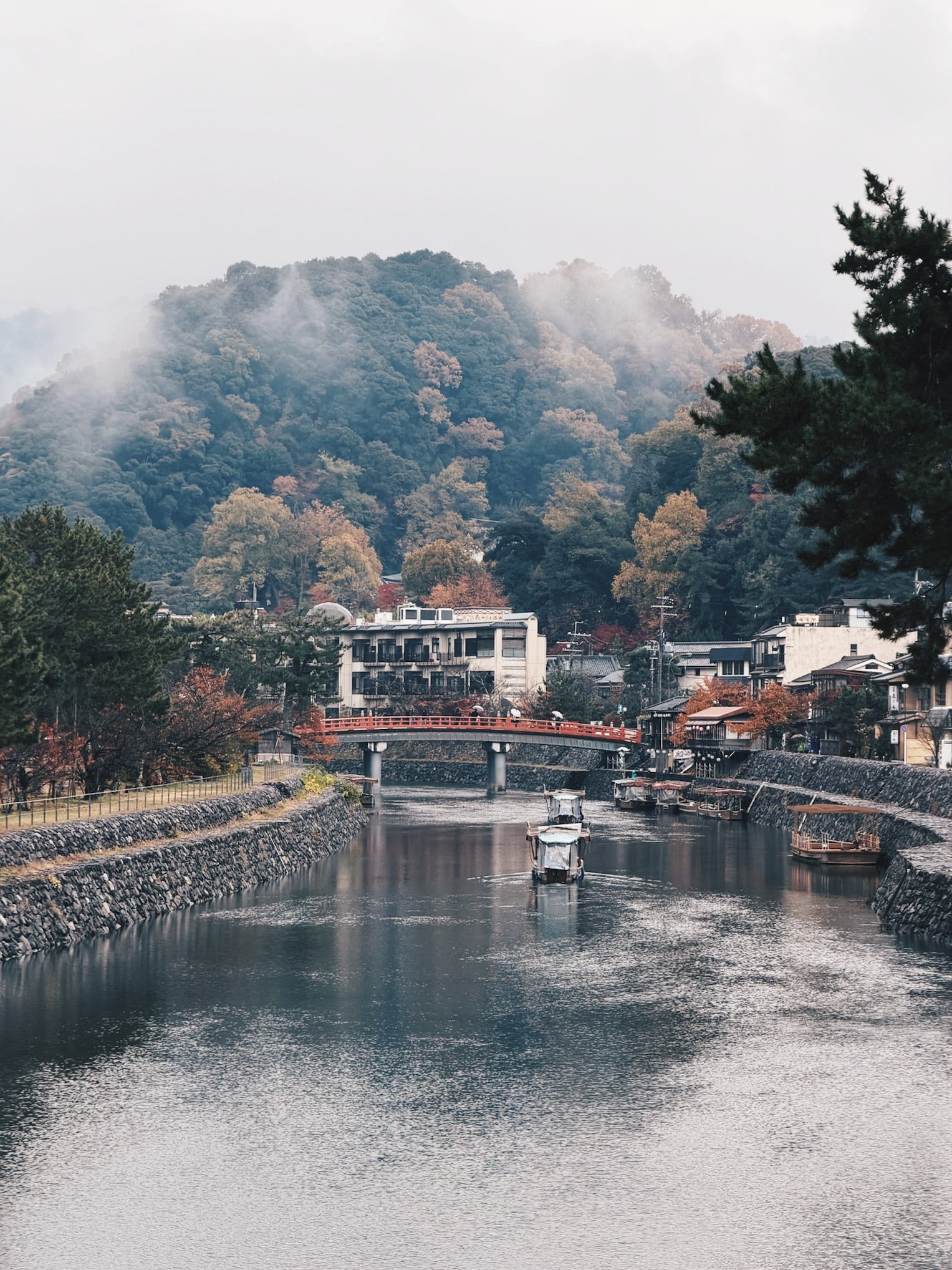
South of Kyoto, the landscape stills and the tourist crowds thin. Uji sits twenty minutes from Kyoto Station by local train, technically within Kyoto prefecture but culturally its own world. The Uji River, a portion of the Yodo River, runs through its center, cold and clear from the mountains of Shiga to Lake Biwa. The surrounding hillsides of Wazuka have produced Japan’s finest matcha, sencha, and hojicha for over eight hundred years. The tea culture here helped build the teahouses of Kyoto’s ceremony circuits. The smell of roasting leaves drifts through town on certain mornings, green and slightly smoky, clinging to the air like incense clinging to temple wood.
An hour south of Kyoto, Nara sits in a basin surrounded by the Yamato mountains and is filled with ancient shrine complexes that predate the nation that built them. It was Japan’s first permanent capital, established in 710, before any of the cities that now dominate the modern imagination of Japan. The deer that wander freely through Nara Park are considered divine messengers of Kasuga Taisha. They have lived within the city boundaries longer than most cities have existed.
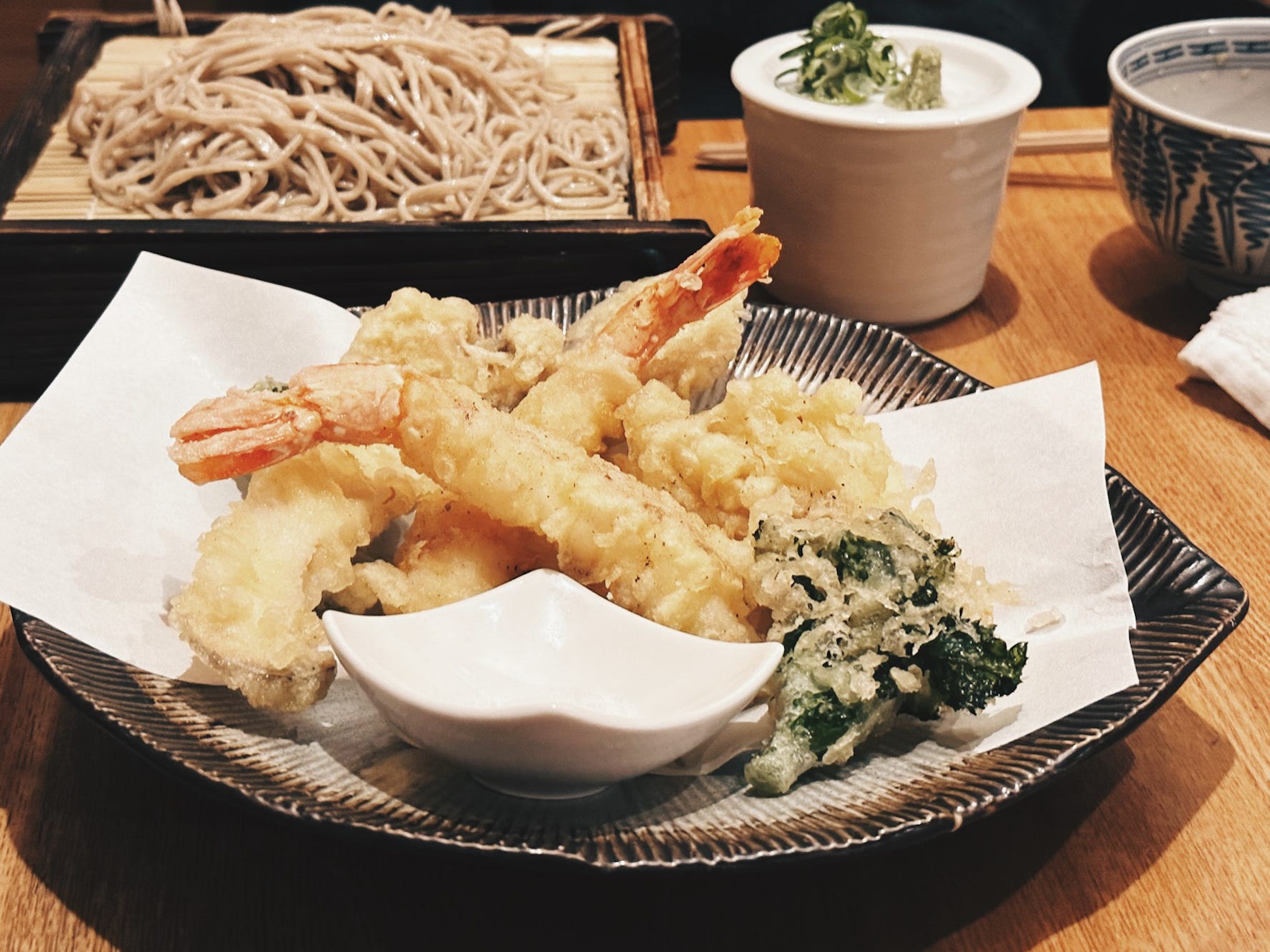
Both cities see crowds, but they arrive by morning train and leave by late afternoon, returning to their Kyoto hotels in time for kaiseki. By five o’clock, the light falls across the five-story pagoda of Kofuku-ji in near silence. The deer settle into the grass. The cities become quiet with each passing hour. Both cities are typically awarded half a day on Kansai itineraries. My return visits convinced me that each benefits from more time.
The Escape
I once treated Nara and Uji as checkboxes on a Kyoto itinerary. Morning train to Uji, quick matcha at the famous shop near the station, photo at Byodo-in, afternoon train to Nara, deer park walk, Todai-ji, back to Kyoto for dinner. Efficient but incomplete.
Two visits in, the wishlist has grown. The richness beneath both cities takes time to surface: the artisan workshops that require advance appointments, the evening light over Nara’s quieting streets, the wave of tea leaves that few tourists leave time to experience first hand. The food, craft, and accommodation per capita in both cities significantly exceeds what their reputations suggest. The crowds that do exist are almost entirely contained to a small radius around the major sites and dissolve after late afternoon.
Nara’s accommodation scene has quietly elevated in recent years. Staying in the city rather than treating it as a day trip from Kyoto changes the experience entirely. Mornings in Nara Park before tour groups arrive and evenings when the temple grounds throughout Nara quiet and darken. I am planning an extended stay in Nara on my next Kansai trip and treating it as the base.
The Return List
Places that merit deeper exploration on future visits because they require time or circumstance this trip did not allow.
Fufu Nara
Opened in 2020 at the edge of Nara Park, Fufu Nara was created following the tradition of Teioku Ichinyo, architecture as a part of the garden. The accommodation sits walking distance from the deer, the major temple complexes, and Yoshikien Garden, yet removed enough from the tourist corridor to feel residential. Designed by Kengo Kuma, the ryokan fuses traditional architectural elements with contemporary Japanese minimalism. There are only 30 rooms, all suites, each with at least one private onsen. Its location and design made it the property to consider for a stay centered on Nara’s temples and craft heritage. Requires booking well in advance for peak cherry blossom and autumn foliage seasons. Rooms from approximately ¥50,050 per person with two meals in the off-season.
JW Marriott Nara
Opened in 2020, the JW Marriott Nara sits adjacent to the Kintetsu Nara Station, making it practical for travelers who want central access to both Nara and day trips to Kyoto or Osaka. The architecture draws on traditional Nara aesthetics with a modern approach: exposed wood and natural stone. The hotel also has a rare feature in the Japanese hospitality scene: an indoor pool. For a future trip prioritizing international-brand infrastructure, loyalty benefits, and regional train access, this is a practical alternative to consider. Rooms from approximately ¥65,550.
Shisui Nara, a Luxury Collection Hotel
Shisui occupies historical wooden buildings that were previously the Nara Governor’s Official Residence, adjacent to Yoshikien Garden. The property’s location provides easy access to the major temples and Nara’s dining scene, while harnessing the historical importance of Nara and embracing the greenery of Nara Park. The design aesthetic is contemporary Japanese, with natural materials and restrained color palettes while nodding to its historical origin. Needs a full stay to properly evaluate against Fufu’s more immersive ryokan experience. Rooms from approximately ¥57,950 off-peak.
The Table
Tsujirihei Honten, Uji
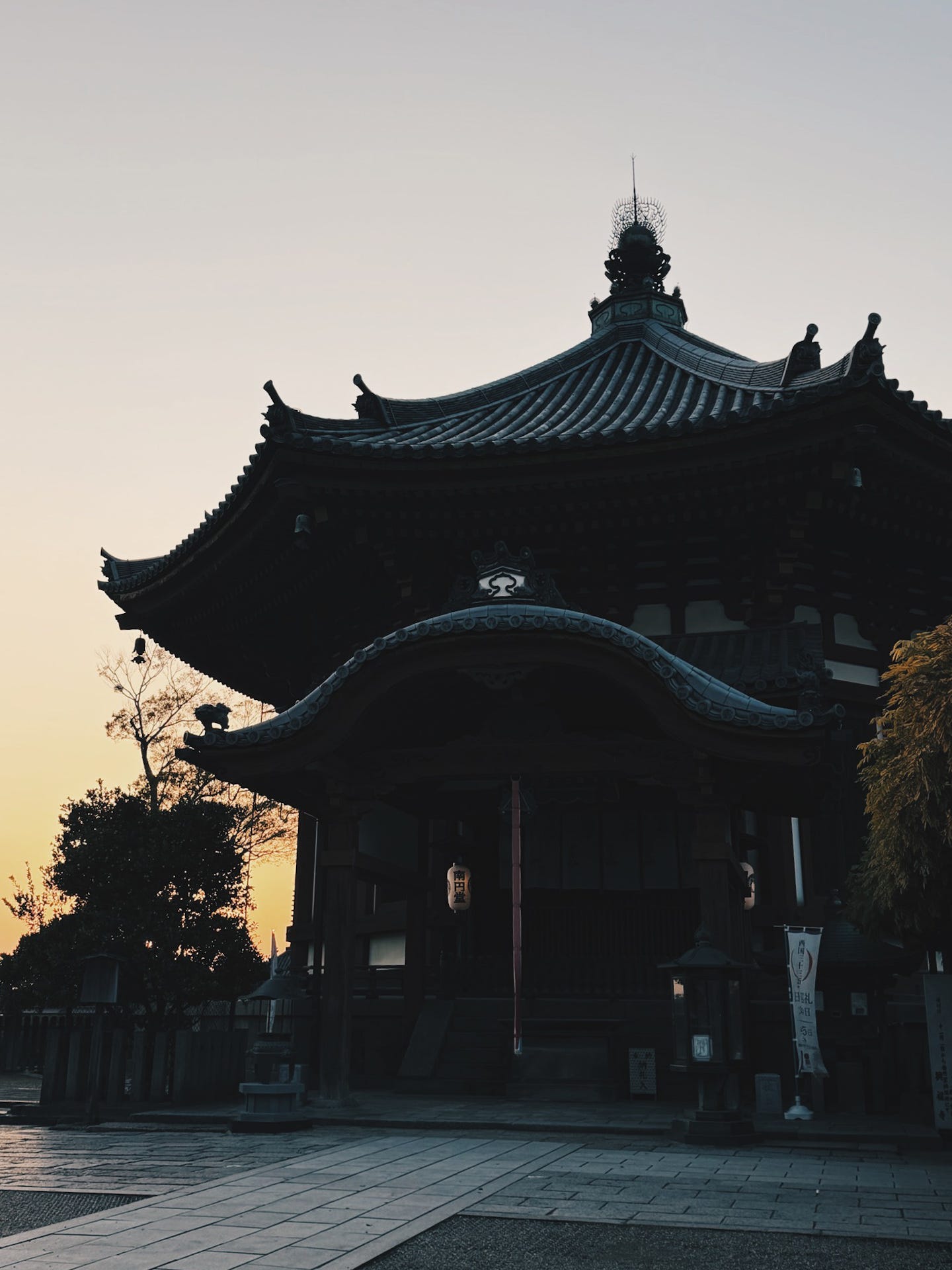
Uji’s most prominent matcha houses cluster near the train station and the Uji Bridge, where foot traffic is heaviest and the line for shaved ice stretches into the street by early afternoon. Tsujirihei Honten requires more effort. Hidden on a residential corner several blocks from the tourist corridor, the entrance leads through a small private garden before entering into a calm, considered space.
The tea lineage here is specific and traceable. The Tsujiri family has been cultivating and selling tea from Uji since 1860, and this main shop functions simultaneously as a retail space for high-grade loose leaf and as a cafe serving preparations that reflect the full range of matcha. The bowls of thick koicha, prepared to order, carry a depth and slight bitterness that the sweeter tourist preparations elsewhere in Uji avoid. The parfaits and cold preparations use matcha in concentrations that taste like tea rather than green coloring.
The garden seating, visible from inside through wide glass windows, is worth requesting on quieter days. The pace is unhurried. Choose between hojicha, matcha, or sencha with a seasonal confectionary alongside a selection of loose leaf to bring home. Open daily. Tea sets from ¥800.
Takamaya, Nara
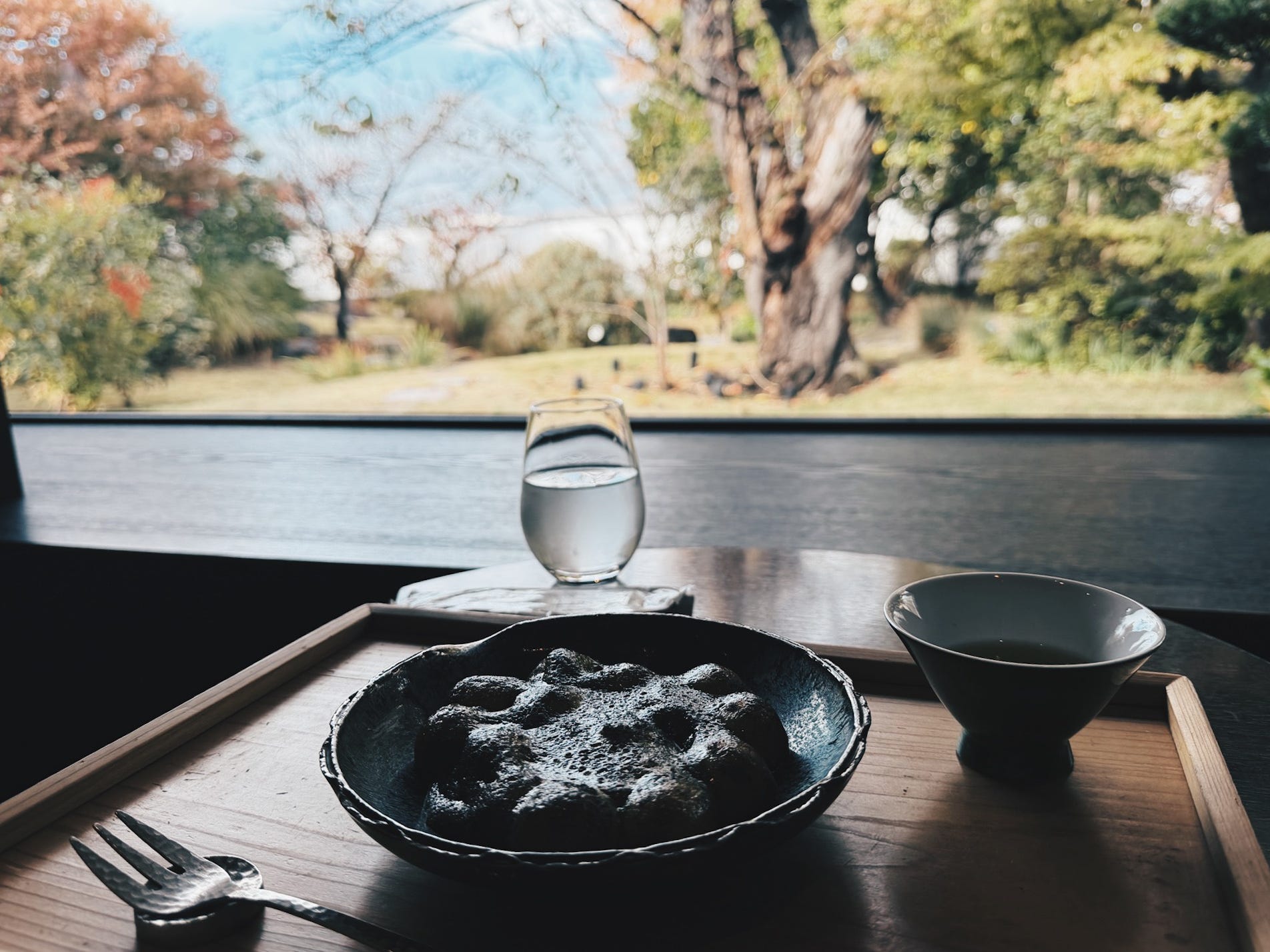
Beyond the restaurants along Sanjo-dori, the residential blocks of Naramachi offer another side of Nara’s dining scene. Takamaya occupies a traditional townhouse in this quieter corridor, serving handmade soba.
The noodles are cut thin, served cold alongside a dipping broth that balances sweetness with a clean, savory finish. The seiro presentation, noodles folded precisely on wooden trays, is the perfect accompaniment to a day spent in the ancient stillness of Nara. The tempura that accompanies soba sets is fried to order in small batches, light enough not to overwhelm the delicacy of the soba. The space is quiet in the evenings after Nara’s day visitors thin out. Closed Tuesdays. Soba from ¥850.
The Return List
Reservations needing more time or circumstance than this trip allowed.
A kaiseki restaurant in a quiet residential neighborhood surrounding Gakuemmae Station, serving traditional Japanese cuisine for over thirty years. Courses are based on the freshest ingredients from the market each day. The restaurant seats one group per mealtime in a small freestanding room behind a bamboo gate, creating a genuinely bespoke experience. Reservations in advance through the restaurant’s website or hotel concierge, at least three days ahead. Dinner omakase from ¥53,280.
A Spanish-Japanese fusion concept run by husband chef and wife patissier in Nara Park, featuring Yamato beef, Nara’s strain of wagyu, prepared with Spanish technique. The chef’s background includes time in both Basque and Japanese kitchens, and the result is neither novelty nor confusion: the ingredients are clearly Japanese, the approach is clearly European, and the combination is coherent. Lunch course with Yamato beef from ¥13,750 and dinner course from ¥23,100. Reservations open three months in advance via phone, hotel concierge, or Tablecheck.
Located in a traditional machiya near the Nara Craft Museum in Naramachi, Nakanishi Yosaburo has been making seasonal confections by hand daily since the early 1900s. The cafe is also well known for kakigori, served in a teahouse overlooking a private garden. Best eaten the same day. Reservations available.
Unjo Saryo, The Tale of Genji Museum, Uji
The teahouse within the Tale of Genji Museum serves matcha and traditional sweets in a setting designed around Murasaki Shikibu’s eleventh-century novel, which opens in Uji. The museum itself is worth the visit for those interested in the literary history of the region, and the cafe extends the experience in a quiet, context-appropriate way. Confirm hours before visiting, as the teahouse closes for national holidays.
The Edit
Akashiya, Nara
The calligraphy brush tradition, fude, in Nara extends over twelve hundred years, originating when the capital’s scriptoriums required fine tools for copying Buddhist sutras and imperial documents. Akashiya was established in 1624 and remains the most established name in Nara’s brush-making community.
The shop stocks brushes across a complete range of purposes, from calligraphy brushes in every size and watercolor pens crafted in the fude style to face and kabuki brushes for makeup application. The latter category has an unexpected following among international visitors who discover that the same fiber-selection that produces a fine calligraphy brush produces a remarkably good complexion brush. Brushes are typically made of horse, squirrel, or goat hair selected for specific softness and spring characteristics, with modern synthetic options also available. Products are still made by craftsman. English is limited at the brand’s storefront, although a smaller selection of Akashiya brushes is sold at various Nara souvenir shops. A trip to the factory storefront is worth it for the full selection. The price range accommodates both the traveler buying a single brush as a considered souvenir and the serious practitioner investing in professional-grade tools. Open daily except Wednesdays.
Tsutaya Books Nara
Chain bookstores are rarely worth noting in a travel guide, but the Nara branch of Tsutaya is a regional exception. Located adjacent to the JW Marriott Nara, the curation here reflects the local craft and cultural context rather than the standard Tsutaya commercial selection. The artisan goods section stocks pieces from Nara prefecture makers, organized by maker rather than category, which makes the browsing experience genuinely educational.
Ito Kyuemon Main Branch, Uji
Ito Kyuemon’s main shop sits directly adjacent to Uji Station and is frequently the first and last stop for visitors arriving by train. The wait for the cafe can last an hour, and the tourist-facing presentation of the space does not do justice to the quality of what is sold at the counter. The tea selection here is serious and wide: single-origin gyokuro, various grades of matcha, ceremonial-grade powders in quantities suited for bringing home. The staff at the retail counter can guide selection based on intended use, whether daily drinking or a gift. Skip the queue for the cafe, which replicates what Tsujirihei Honten achieves with a better atmosphere, and use Ito Kyuemon instead as an efficient place to stock up on well-priced, quality Uji tea before the train. Open daily.
The Return List
Shops and showrooms that merit dedicated visits on future trips.
Tango Tanimura, Takayama Chasen
The chasen, the bamboo whisk used to prepare matcha, is produced in significant quantity in only one place in Japan: Ikoma City in Nara prefecture, in the Takayama district. Tango Tanimura is among the oldest operating chasen workshops, and the family has been splitting bamboo into the fine tines of the whisk for generations. A bespoke chasen experience, during which the craftsperson guides you through the selection of bamboo and the construction process, is available by reservation only and requires booking several weeks in advance via email. Interpreters are available for an additional fee.
The company began in 1716 as a hemp fabric producer for the Tokugawa shogunate. The shop now operates out of a renovated machiya in Naramachi and continues the hemp fabric tradition with its Yu Nakagawa brand of towels and pouches. The shop has now expanded to include a curated selection of home goods reflecting the Japanese craft tradition, including ceramics from the Arita and Koishiwara pottery towns in Kyushu, with the goal of supporting Japanese craftspeople.
Tea Tasting in Wazuka
The Wazuka Valley, an hour from Uji by local bus and train, is where the tea sold in Uji’s famous houses is actually grown. Several small farms in the valley offer tasting experiences, allowing visitors to understand the growing conditions, the difference between shaded gyokuro cultivation and sun-grown sencha, and the direct relationship between terroir and taste. D:matcha is one such plantation that offer an immersive farm experience in addition to a shuttle service from Ishiyama Station. Otherwise, arrange in advance through hotel concierge, local tourism office, or viator tour. Most farms are not otherwise open to the public.
On Planning
Nara and Uji reward travelers who resist the impulse to combine them into a single efficiency-driven day trip from Kyoto. Treat each as a destination in its own right. Uji merits a day dedicated entirely to tea with a second day to explore the Wazuka region in which the tea is grown. Nara warrants at least two days: one to explore nearby Takayama with a dedicated craft visit, and one to explore beyond the deer park into Naramachi’s streets and the quieter temple and garden complexes of Kasuga Taisha’s inner precincts.
For those who know Nara and Uji well, what deserves deeper coverage on a return visit?
Next Issue: Volume I Issue 09: Washington DC. Arriving Sunday, March 8, 2026.
Notes on all prices in Japanese yen. Approximately ¥150 = $1 USD.
Eature is written for those who care about where they stay, why a place feels the way it does, and how travel fits into a life well-lived.
New here? Read about how Eature works
More Eature Guides: Tokyo | Kyoto | Osaka | Kobe | Nara & Uji | Sapporo | Chicago | Denver | Orange County