
VOL. I, ISSUE 1
The Note
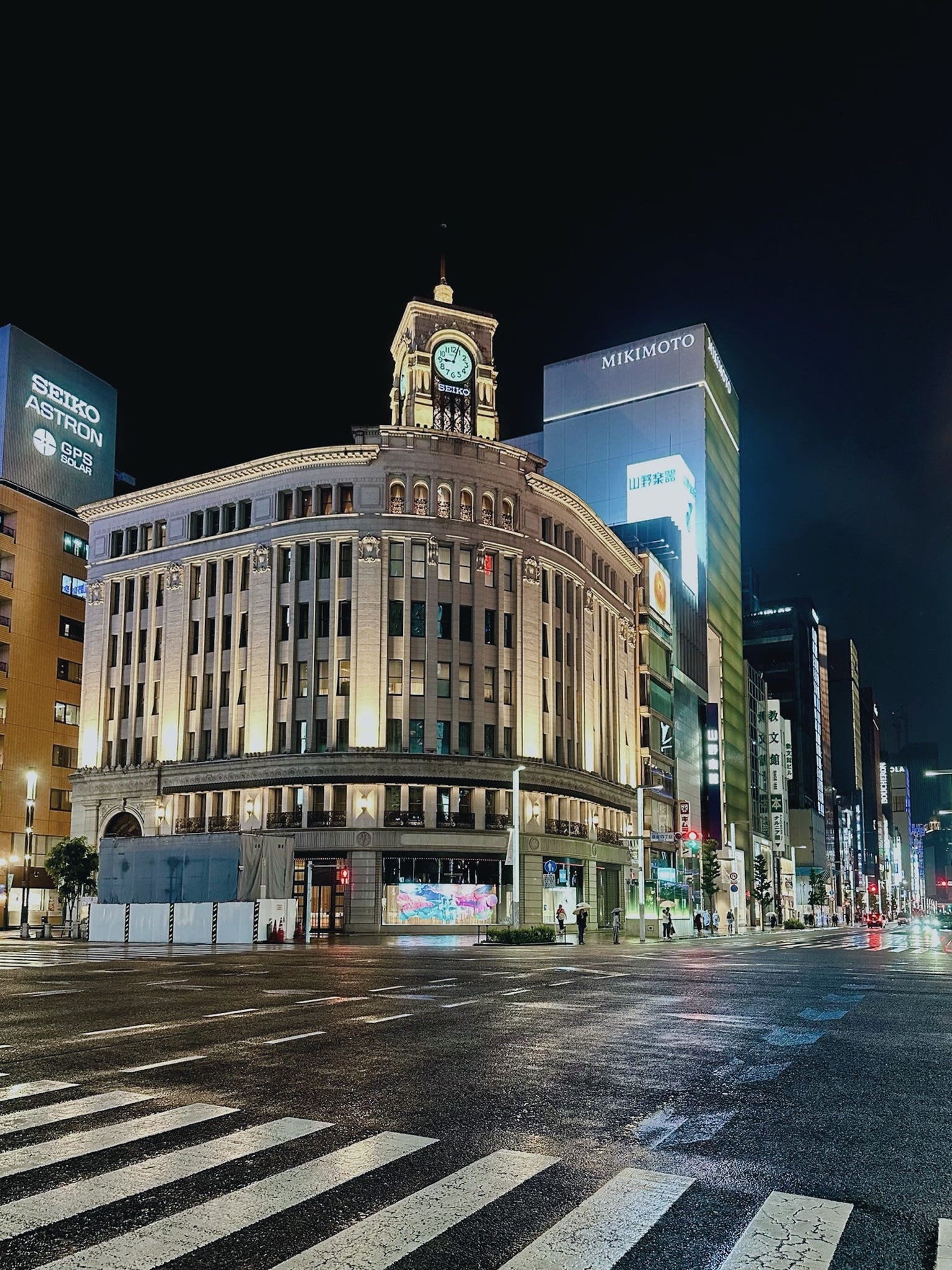
Asakusa and Ginza sit ten minutes apart on the subway. Close enough that smells of sweet potato roasting over charcoal waft through both neighborhoods, but distant enough that the sweet potato has a different meaning. In Asakusa, the sweet potato is sold from a stall, nestled on the narrow streets leading up to Sensoji Temple. In Ginza, it’s a three-hour meditation in a clay pot located between department stores and designer boutiques.
Tokyo’s precision is consideration for the details. The way the crosswalk chimes in warning with sounds of concern. The methodical tap of a chef’s knife, the regular rhythm cutting identical slices. The scrape of metal shutters rising at dawn, meaning that the city is awakening.
Tokyo has 194 Michelin-starred restaurants, more than any other city in the world. Despite the quantity, the best meals here still require waiting. Waiting for the right season for an ingredient, for the tempura to be fried to the optimal crunch, or for the sweet potato to turn to custard. Watching an omakase chef is understanding that luxury in Tokyo is about precision, not abundance.
The best experiences hide in plain sight. Unmarked doors in unassuming alleys. Shops with 2 single monochrome kanji characters marking their presence. They’re not trying to be exclusive. They simply don’t need to announce themselves.
Here’s what I’ve found and would return to.
The Escape
AC Hotel Tokyo Ginza
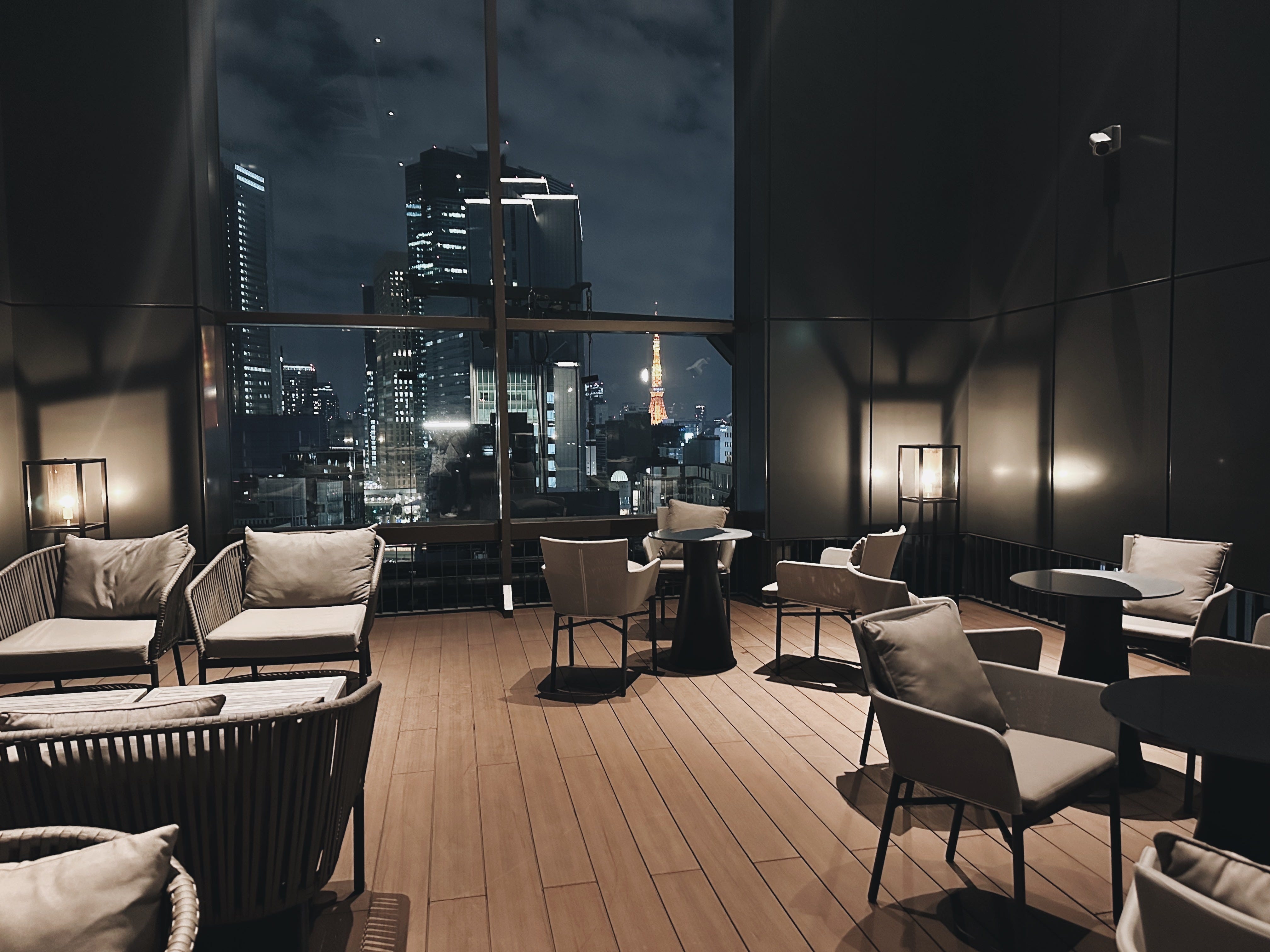
The AC Hotel Ginza sits on a back street quiet enough to notice the absence of sound. Just a few blocks from the daytime frenzy of Ginza Six, close enough to drop shopping bags between appointments, but far enough to return to silence. The lobby is dark gray stone and indirect light. Rooms follow the same motif with white linen against black accents and warmed hardwood floors. Minimal and restrained.
The rooftop lounge offers a view of Tokyo Tower in the distance without the crowds of Skytree. A five-minute walk to Dover Street Market. 10 minutes to the best plated-dinners in the city. This is Ginza elegance without Ginza performance.
Rooms from ¥38,000 per night off-peak. The Premium King, Deluxe from ¥76,000.
The Table
Sézanne
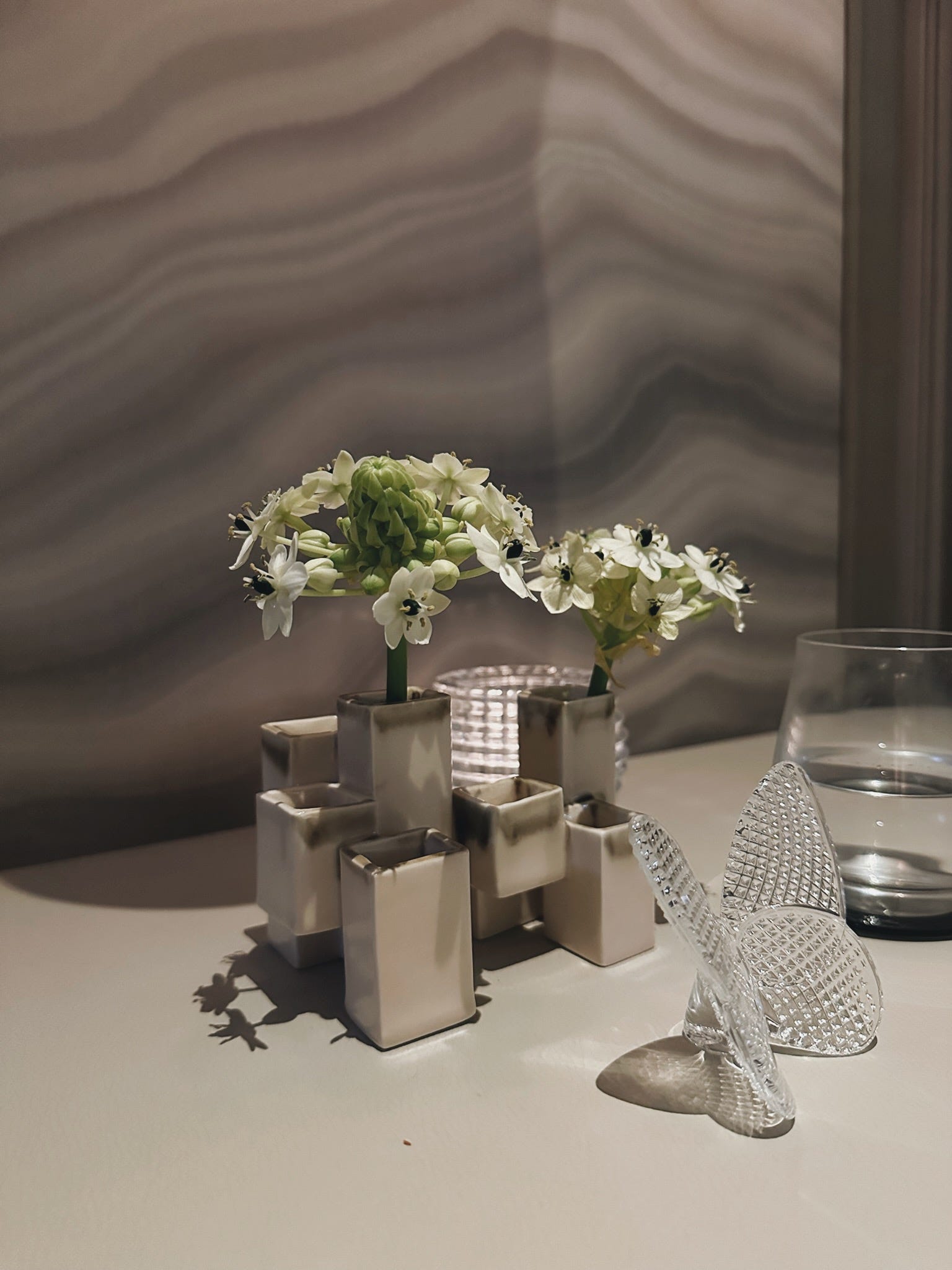
Four Seasons Tokyo Otemachi, seventh floor. Ten minutes from Ginza station and worth the cross into Marunouchi. The dining room is cream and blonde wood, indirect lighting, and quiet views of Tokyo Tower in the distance. It feels intimate despite the floor-to-ceiling windows, softened by pooling sheer curtains.
Chef Daniel Calvert, trained in New York and Paris before Tokyo, and his approach is what happens when French technique meets Japanese seasonality. Sweet potatoes from Kagoshima. Strawberries from Fukuoka. The result is an experience that is purely Tokyo.
Sézanne now holds three Michelin stars and ranks seventh on the World’s 50 Best List. Reservations require months of planning. But the recognition was inevitable. The acclaim hasn’t changed the experience. If you only have time for one plated meal in Tokyo, make it Sézanne. Sometimes, the places that become internationally known deserve to be. Reservations open on the first of the month, two months ahead. Dinner from ¥56,925.
(Update: Chef Daniel Calvert will be departing Sezanne at the end of March 2026. The restaurant remains open.)
Tempura Kondo
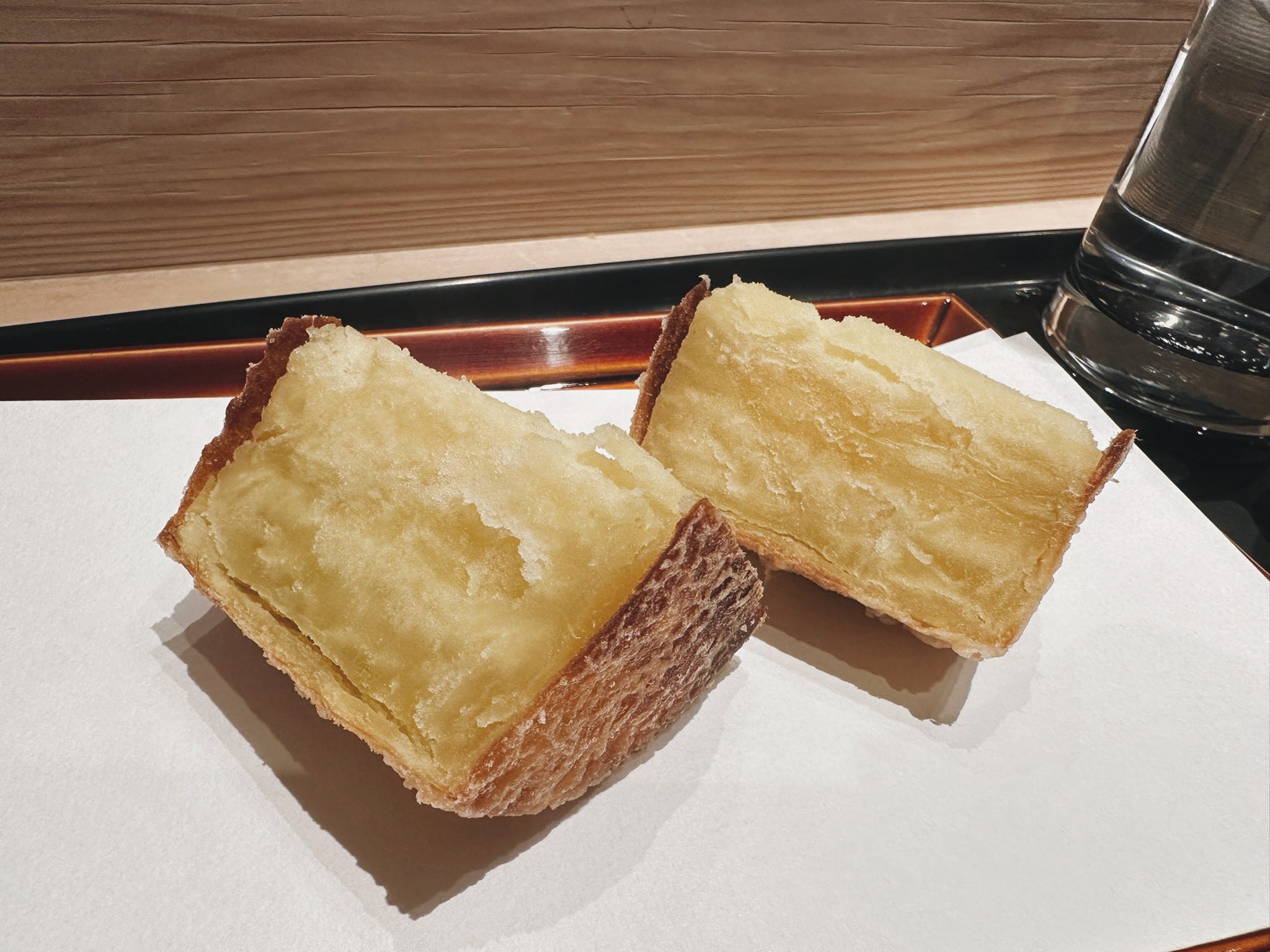
Take the elevator to the 9th floor of the Sakaguchi building. Walk through the curtain, and you’re immediately greeted by the omakase counter. Chef Fumio Kondo has been frying tempura for over 50 years. Frying prawns, asparagus, and the infamous sweet potato at Tempura Kondo since 1991, resulting in an expert balance of crunch with the flavor profile of each ingredient. The batter is impossibly light, complimenting, never overpowering. Served directly from the oil and must be enjoyed once plated. End with the sweet potato.
Reservations open on the first of the month, 3 months prior. Dinner from ¥16,500.
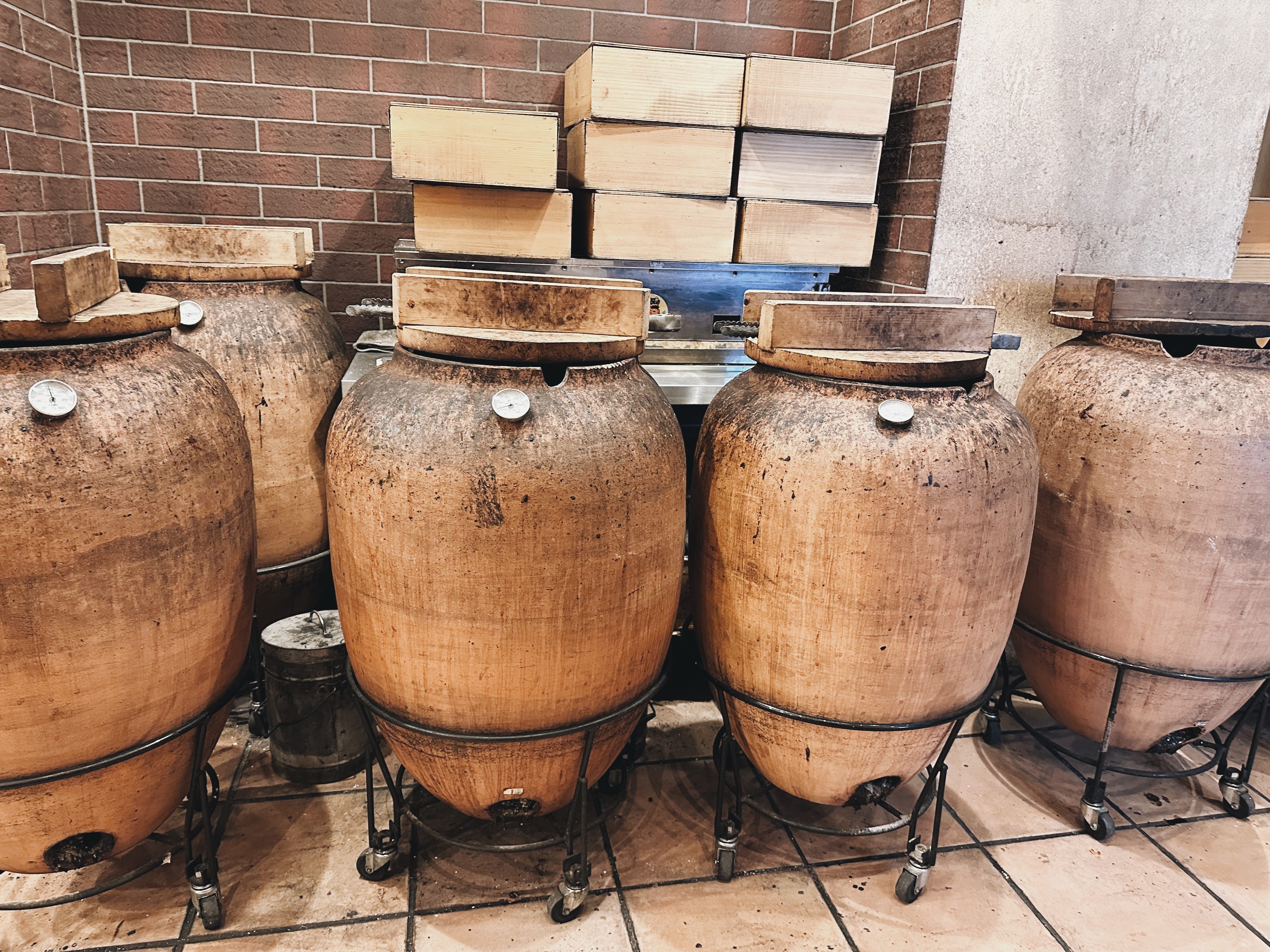
Ginza Tsuboyaki-imo
Ginza Tsuboyaki-imo is a single-product store, specializing in sweet potatoes roasted in clay pots over charcoal. That’s the menu, but the sweet potatoes roast for three hours until the skin caramelizes and the interior turns to custard. Couple with the sweet potato latte for the full experience, but the whole large sweet potato is the star.
The shop is a few minutes from Ginza Station. Minimal seating. It costs ¥1200. Simple yet done perfectly. The ideal accompaniment to Tokyo in winter.
The Edit
Ginza Taya
Ginza Taya is a menswear shop that has been standing since 1905 and occupies a space so small you might walk past without noticing. Just an open doorway quietly nestled by the neighboring department giants. Minimal signage, only using monochrome Kanji lettering, a contrast to the nearby tourist-oriented shops with signage in three languages.
Inside, woven ties and tailored shirting hang floor to ceiling. Each crafted in the company’s workshop in Yonezawa. The selection leans traditional with modern application. Japanese motifs in contemporary color palettes. The highlight is the tie collection. Modern geometric squares in gradients of red or indigo shaped into Mt. Fuji with variations of sunset or dusk. Patterns that read modern from a distance and distinctly Japanese up-close.
Ties from ¥13,000, and make the perfect gift or souvenir. For bespoke options, inquire in person.
Mitsukoshi Ginza
Mitsukoshi began as a kimono shop in 1673 and became a department store in 1904. Now, the department giant serves as the blueprint for how luxury operates in Japan, woven into daily shopping culture.
Western luxury shopping in Tokyo has a rich history beginning with the arrival of Louis Vuitton in 1977. The durability of luxury goods, highly valued by Japanese culture, along with “The Bubble Economy” of the 1980s, resulted in a foundation for luxury shopping that is now ingrained into the Tokyo landscape of department stores.
The ground floor is leather goods (a smattering of Loewe, Celine, Bottega, Prada) and fine jewelry. The basement houses cosmetics and the depachika (food hall), where you’ll find the city’s best sweets and seasonal specialties. The upper floors are quieter, featuring ready to wear and home goods from Saint Laurent and Gucci alongside the Japanese guard, both established (Comme des Garcons) and contemporary (Sacai). Higher floors also house the Art Aquarium Museum (skip it) and a terrace. This structure repeats across Tokyo’s neighborhoods and throughout Japan’s larger cities.
As an international customer, you receive a 5% discount card plus tax-free purchasing at point of sale. (Note: Japan is reforming its tax-free system in November 2026, shifting to refunds at departure rather than point of sale.) Buy your Loewe or Celine here, then explore the rest of the store. This is the foundation of Tokyo’s luxury culture, still operating as it was designed to.
Kappabashi Knife Gallery
In Asakusa, skip the first-floor shops with open doors and cluttered shelves. Instead, head to Kappabashi Knife Gallery, hidden on the second floor above a small restaurant. The only light comes from spots above organized cases and a small desk lamp over an artisan working at a corner table. Photography is prohibited. The message is clear: the knives are the focus.
Blades display hammered sakura patterns, a patented design only available at the two Kakinuma locations. The selection is more refined and distinctive than the shops below. Choose your blade and handle separately. Return in an hour or two for your personalized piece. Knives from ¥30,000.
While waiting, visit Mikura for chopsticks and Utsuwa Maesaka for ceramics. Both within a five-minute walk and worth the detour.

Tokyo Kimono Shoes & Kimono Reborn
Vintage kimono silks reimagined as modern goods. From tumblers to T-shirts, the focus is on everyday objects that carry the textile’s history without replicating its original form. Kimono Reborn is a bright, modern concept shop where no two pieces are identical. The pattern you see is the only one in the exact configuration. The aesthetic is contemporary, and the material is traditional.
From ¥9,900.
Down the street, Tokyo Kimono Shoes offers the bespoke version of the same philosophy. Each shoe is made-to-order, hand crafted in Asakusa from repurposed kimono silk. Choose your pattern, get fitted, order in person. The shoes ship internationally in two months.
From ¥48,000.
Thank you for reading Eature.
Next Issue: Volume I Issue 02: Chicago. Arrives Sunday, November 30, 2025.
Notes on all prices in Japanese yen. Approximately ¥150 = $1 USD.
Eature is written for those who care about where they stay, why a place feels the way it does, and how travel fits into a life well-lived.
New here? Read about how Eature works
More Eature Guides: Tokyo | Kyoto | Osaka | Kobe | Nara & Uji | Chicago | Denver | Orange County