
VOL. I, ISSUE 10
The Note
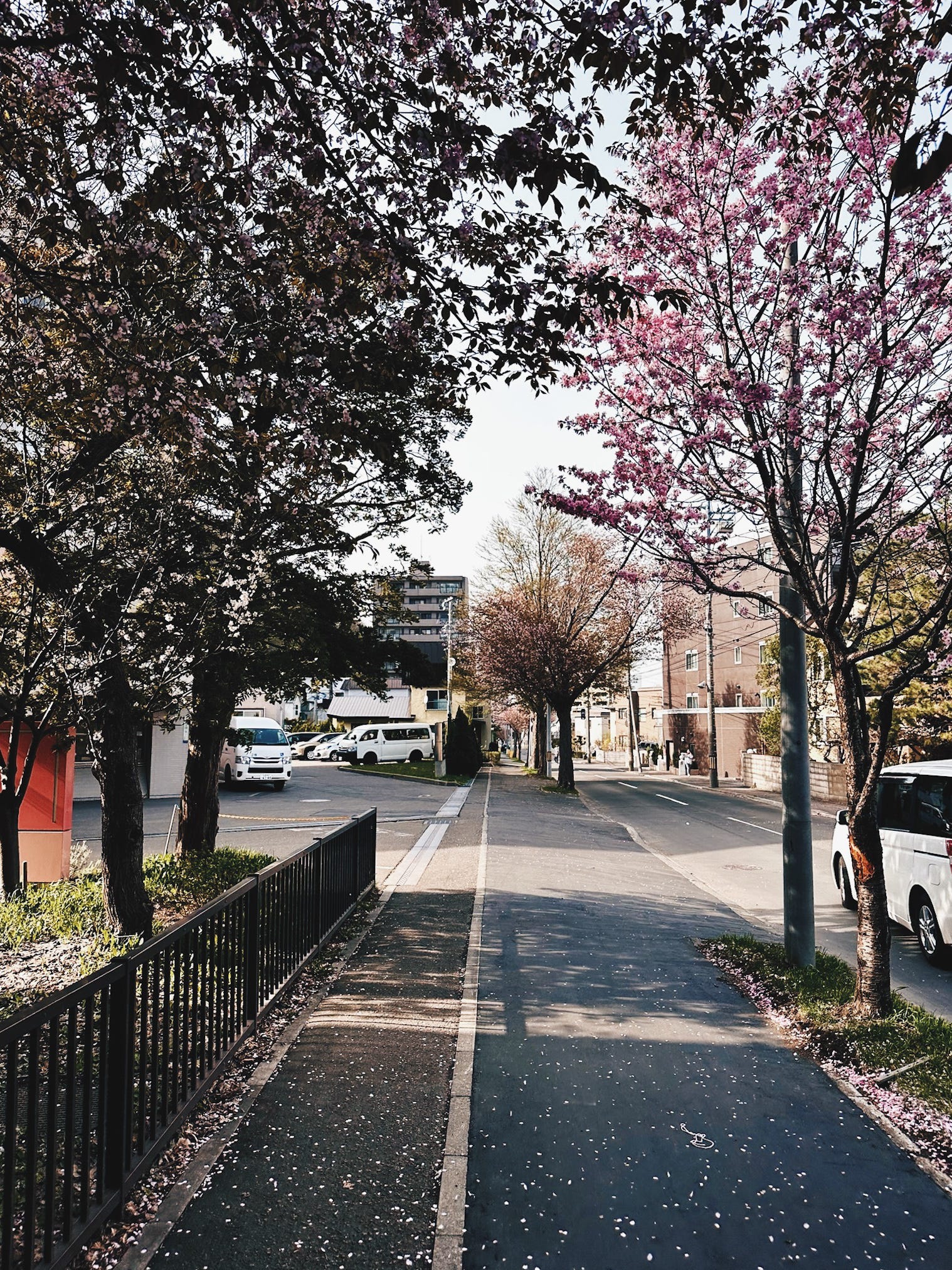
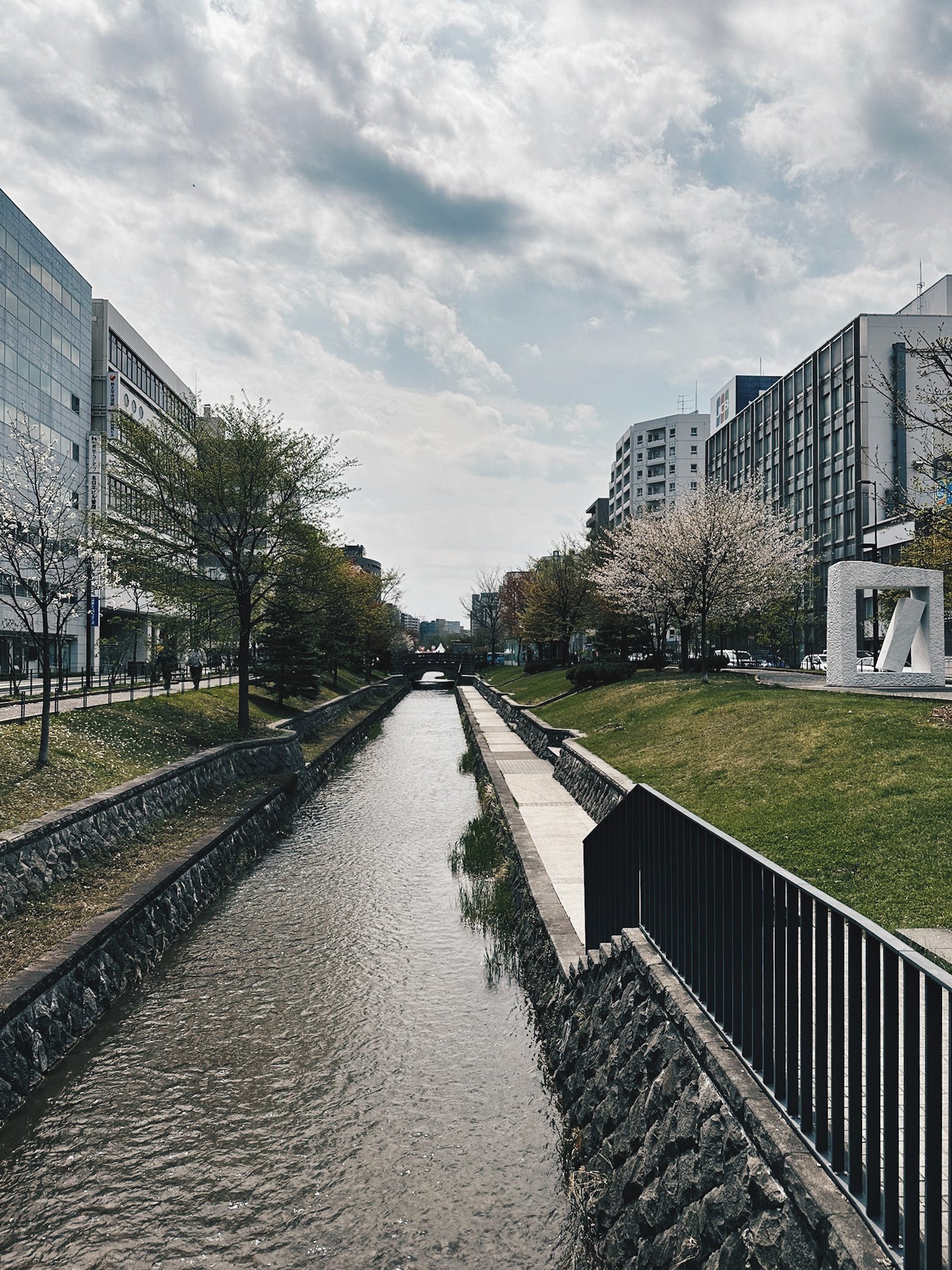
Sapporo in spring is a breath of fresh air. The snow that defines it in every travel cliché has melted, leaving a city of wide boulevards and cherry blossoms blooming later than the rest of Japan. While Tokyo’s sakura season draws millions of visitors to parks already dense with crowds, Sapporo’s cherry blossoms open in late April to early May in quiet local chatter. Ashiyama Memorial Park blooms under blue skies with views of the cityscape. Most visitors who think of Hokkaido think of winter with its famed Snow Festival and nearby ski resorts. That reputation is accurate, but it has also overshadowed Sapporo’s underrecognized food scene.
Hokkaido’s cold water produces crab and sea urchin with a sweetness that warmer-water uni cannot replicate. In the Hokkaido uni I tasted, the sweetness was more pronounced and the briny fish subtler than in the Santa Barbara uni I know at home. Dairy from Hokkaido’s cooler pastures appears throughout the region’s cooking with a richness that is especially noticeable in its milk, butter, and soft serve. The produce from Hokkaido’s agricultural plains is the foundation of Japanese cooking. Fine dining across Japan references the products of Hokkaido’s agriculture and fishing. In Sapporo, those ingredients organize the city’s dining culture rather than products names on a menu.
Miso ramen originated here in the postwar period, a bowl calibrated for cold-weather appetites, pork bone broth enriched with local miso paste, butter, and corn. It has since traveled everywhere.
The city delivers all of this without the fanfare of the famous culinary destinations like Osaka or Tokyo. There are no neighborhoods designated for food tourism and no boulevards filled with food stalls.
The Escape
The city’s accommodation options have been slower to develop than its culinary scene, and the properties that would meet Eature’s standard are either new enough to have not yet had time for adequate evaluation or located closer to its famed ski resorts rather than the city itself.
I stayed at the Fairfield by Marriott Sapporo Susukino. The location is genuinely useful. One block from Nijo Market for chirashi breakfasts and walking access to Susukino’s evening ramen counters. The property itself is functional and comfortable, but it lacks in the design sensibility or cultural connection that would make it an Eature recommendation. It is simply a clean hotel in a convenient location.
The Return List
Places that merit deeper exploration on future visits because they require time or circumstance this trip did not allow.
Higashiyama Niseko Village, a Ritz-Carlton Reserve
Located in the Niseko resort area, approximately two hours from Sapporo by car (four hours by train), the property is one reason to consider extending a Hokkaido trip into Niseko. The Reserve sits within the Niseko ski resort. The property is designed to reflect the surrounding mountainous landscape with fifty rooms boasting views of Mount Yotei and Mount Niseko Annupuri. The design leans modern and warm with large windows throughout to reflect the seasons. In winter, the resort is the obvious stay for a ski escape. Spring and summer bring golf and a retreat into the surrounding nature. Restaurants on the property highlight the local culinary offering.
Located in Sosei East within the Sapporo Factory complex, the hotel is a modern take on a Sapporo pioneer’s experience. The design nods to the city’s beer tradition, as the birthplace of Japanese beer, by combining Western and Japanese elements with dark green, red, and black accents. Hamanansu motifs are noted throughout the property, reflecting the local flora.
InterContinental Sapporo by IHG
Opened October 2025 in the Nakajima Park neighborhood on the ninth through fourteenth floors of a multi-use building. The design is inspired by Hokkaido’s natural landscape with greenery in common spaces, green accents in guest rooms, and floor-to-ceiling windows. Clean lines, wood paneling, and stone throughout the property infuse contemporary Japanese details.
The Table
Kita No Donburiya Takinami Shokudo
Otaru Sankaku Market, Otaru — one hour from Sapporo by train
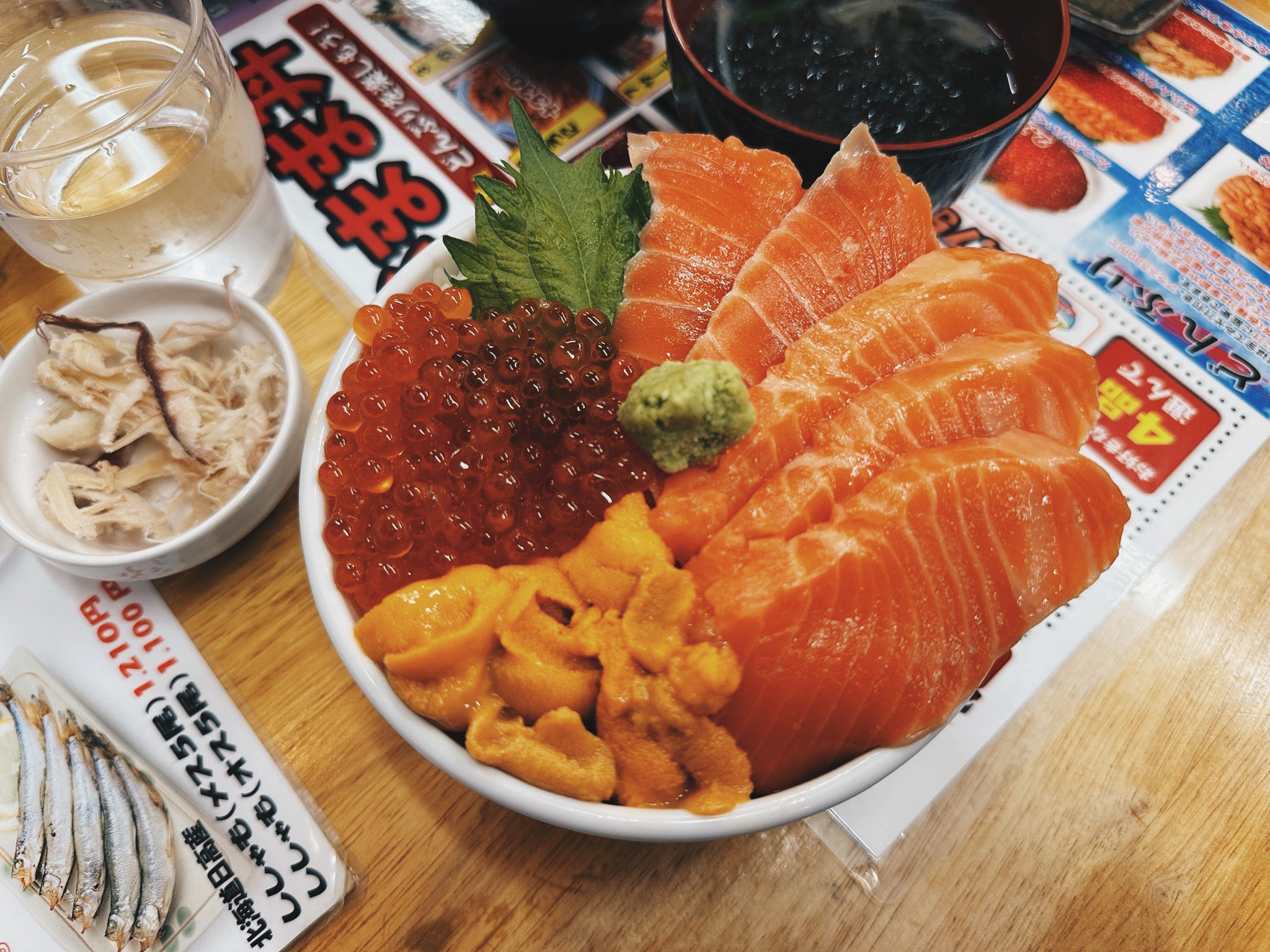
Kita No Donburiya Takinami Shokudo (北のどんぶり屋 滝波食堂) operates from a no-frills stall in Otaru’s covered Sankaku Market, next to the fishing port that supplies it. The English signage is minimal. The wait, on peak days, is three hours, filled with locals and visitors from across Asia. Order the crab and uni kaisendon. The uni is soft and rich, melting with a sweetness that tastes almost floral rather than oceanic, completely devoid of any hint of brine. The crab, sweet and barely-cooked, sits alongside it without competing.
Open daily from 7am–5pm. ¥2,000–¥3,000 per kaisendon. Cash only. No reservations. Arrive early or expect a wait.
Tempura Araki
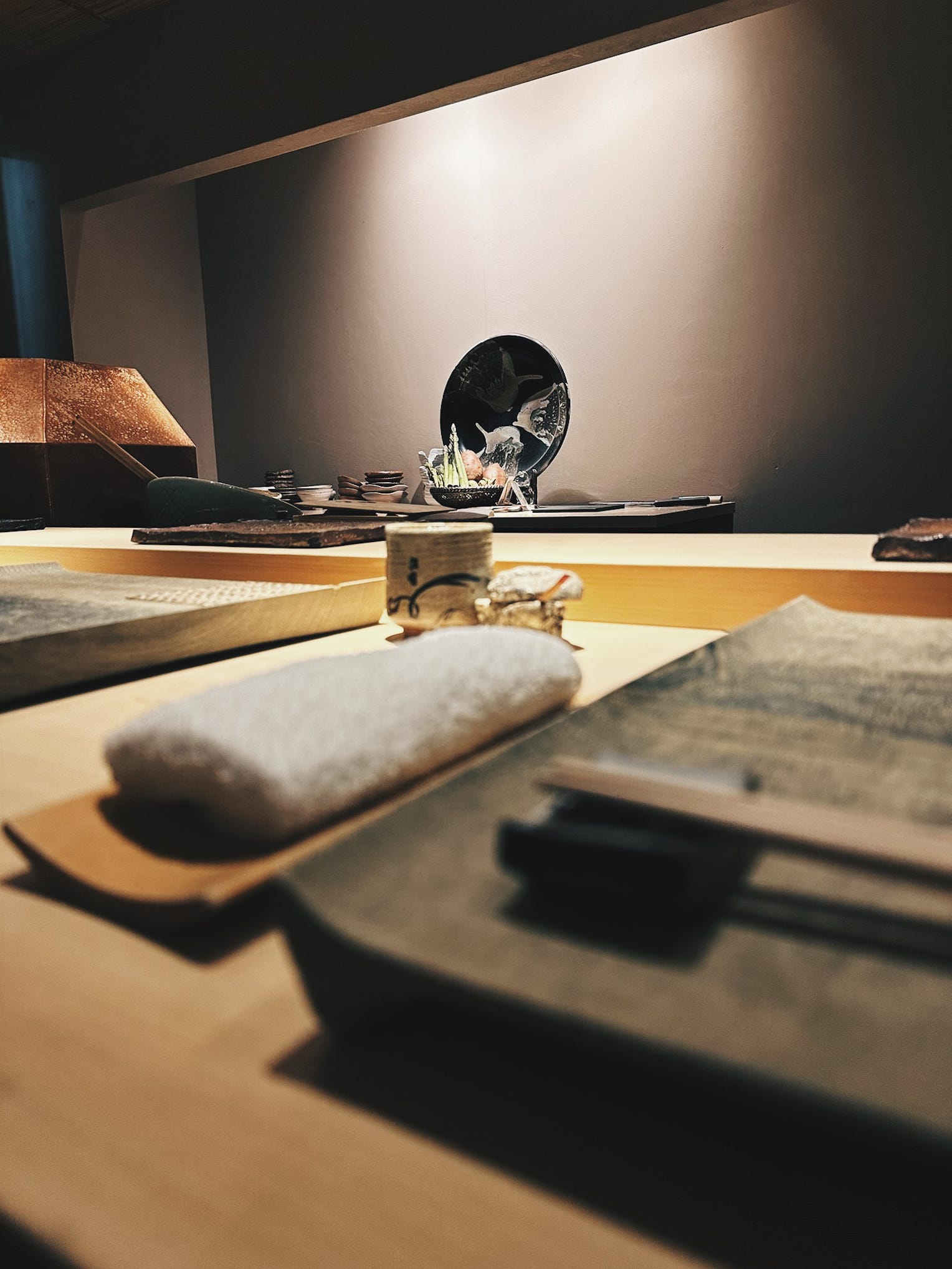
At the opposite end of Sapporo’s dining spectrum sits Chef Araki’s intimate nine-seat omakase-style tempura counter in Susukino. Tempura Araki operates on a philosophy that is both traditional and specific to Hokkaido in its ingredient selection. One seating at lunch and two seatings per night. The progression moves through local seafood sourced from Hokkaido’s waters and vegetables produced across the prefecture, battered and fried precisely in front of you, before culminating in the course’s most distinctly regional moment: tempura sweet potato accompanied by a small bowl of Hokkaido soft-serve ice cream.
Hokkaido dairy is a product of the island’s cooler climate and grazing practices. Served here as a deliberate conclusion to a seafood-forward meal, the progression itself becomes an exploration through Hokkaido’s culinary production, accompanied by friendly conversation with the chef.
Seatings at 6pm and 8:30pm daily, except Sundays and holidays. The meal begins promptly. Dinner from ¥25,000. Reserve at least two weeks in advance.
Parfaiteria Pal
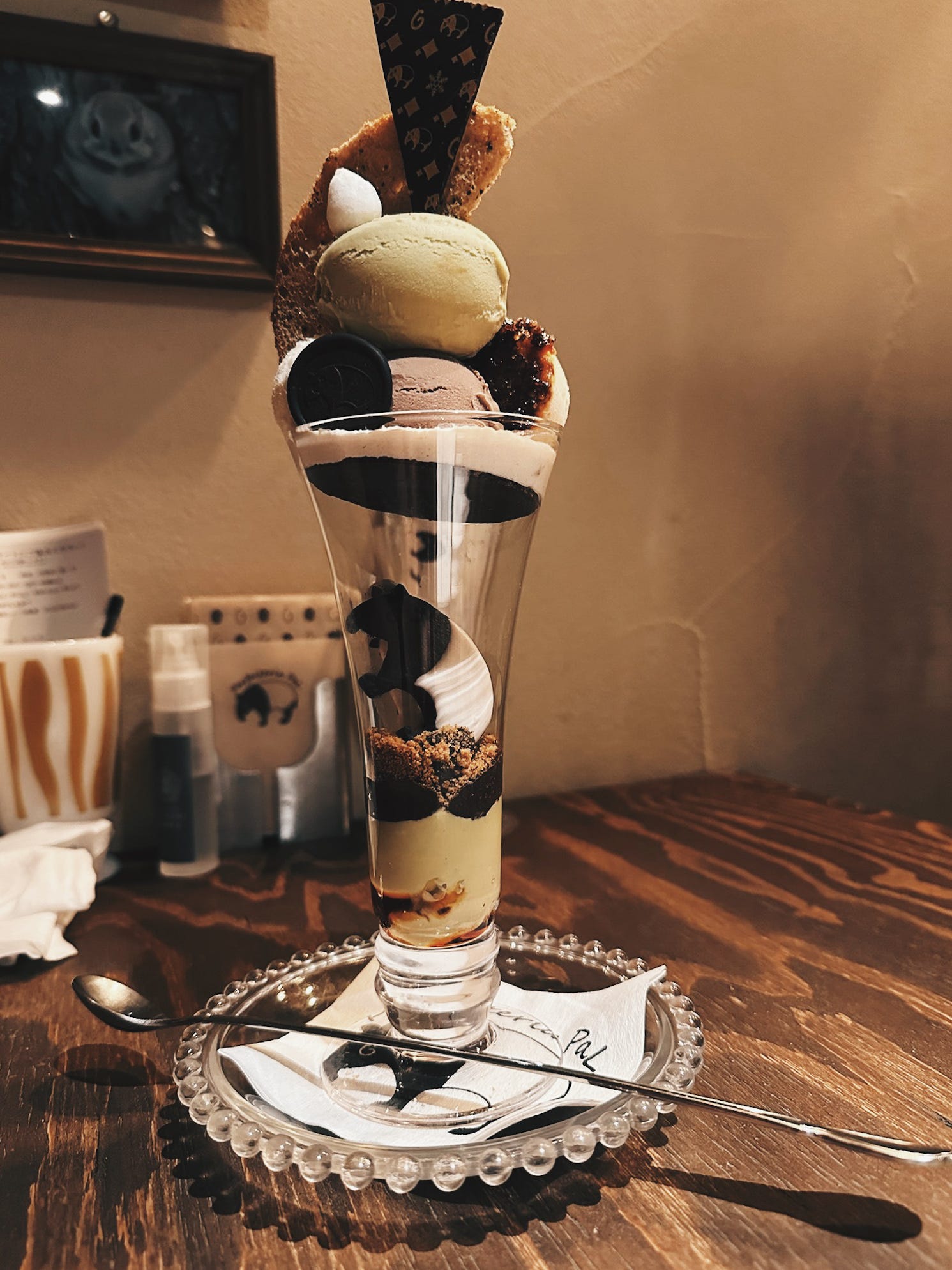
Japan has developed the parfait into an unusually elaborate format, structured around seasonal ingredients, contrasting textures, and layering that is equal parts art and dessert. Parfaiteria Pal operates this concept as an adult evening experience. Part bar, part café, with low light and a menu of intricate seasonal parfaits designed to be consumed alongside a cocktail from their extensive menu. Open late into the night, Pal occupies a particular niche in Sapporo’s dining culture as the place to stop after dinner, in the same spirit that you might stop for a final glass of wine.
Open daily 6pm–12am (until 2am on Fridays and Saturdays). Parfaits from ¥1,980. No reservations, expect a line.
Sumire Sapporo Susukino Shop
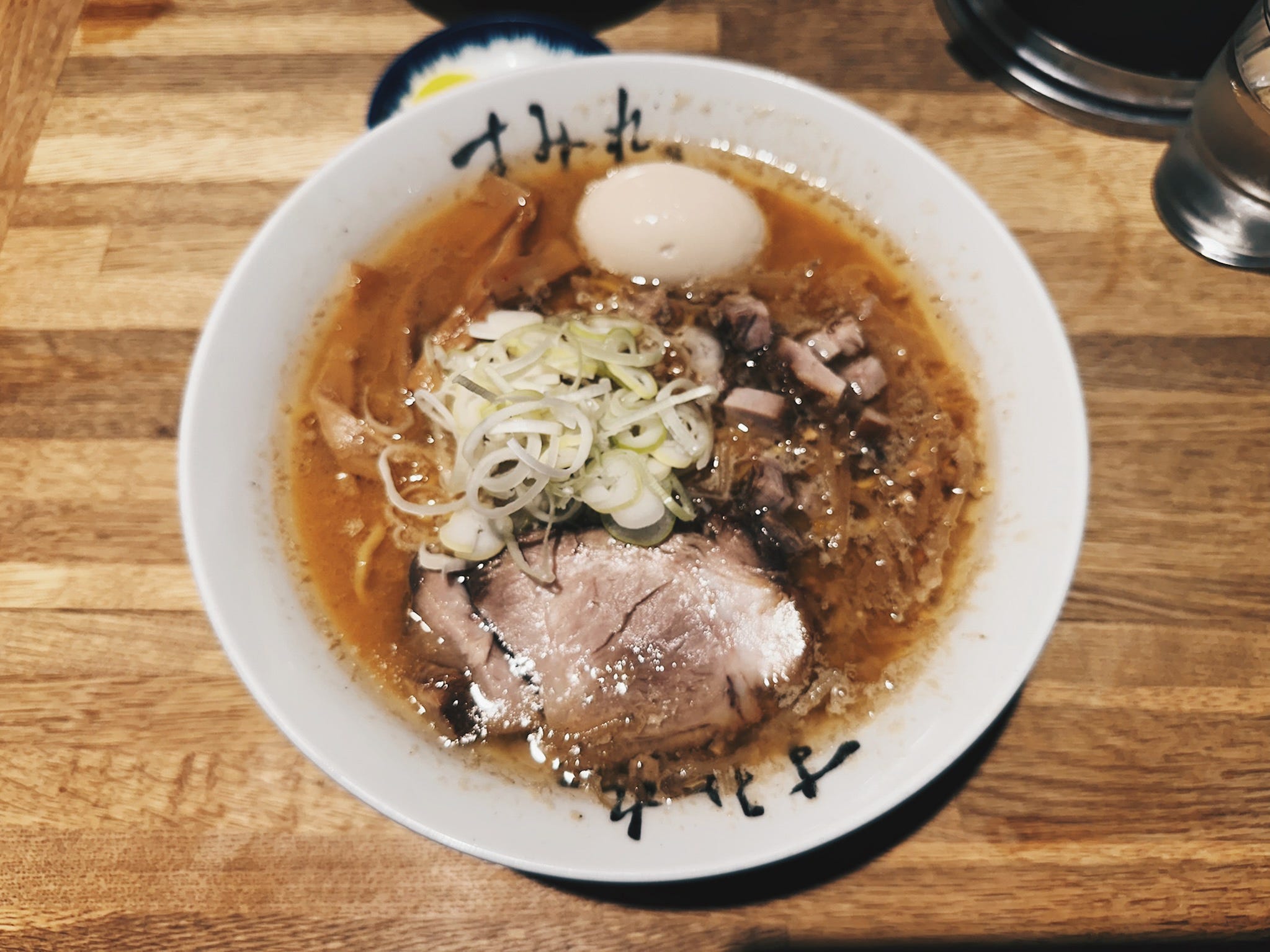
Miso ramen was invented in Sapporo in the postwar period when miso paste from Hokkaido’s agricultural tradition was incorporated into ramen broth. Sumire is the institution most associated with the definitive version. Pork bone broth, rich miso paste, and butter. Filled with smooth umami but lighter than the ramen of Fukuoka prefecture, this is the bowl necessary for a climate where temperatures drop below freezing. The Susukino location is open late and popular among locals at the end of an evening.
Open daily from 5:30pm–12:30am. Ramen from ¥900. No reservations, expect a wait.
Sapporo Gyoza Seizo Sho Tanakiji Ten
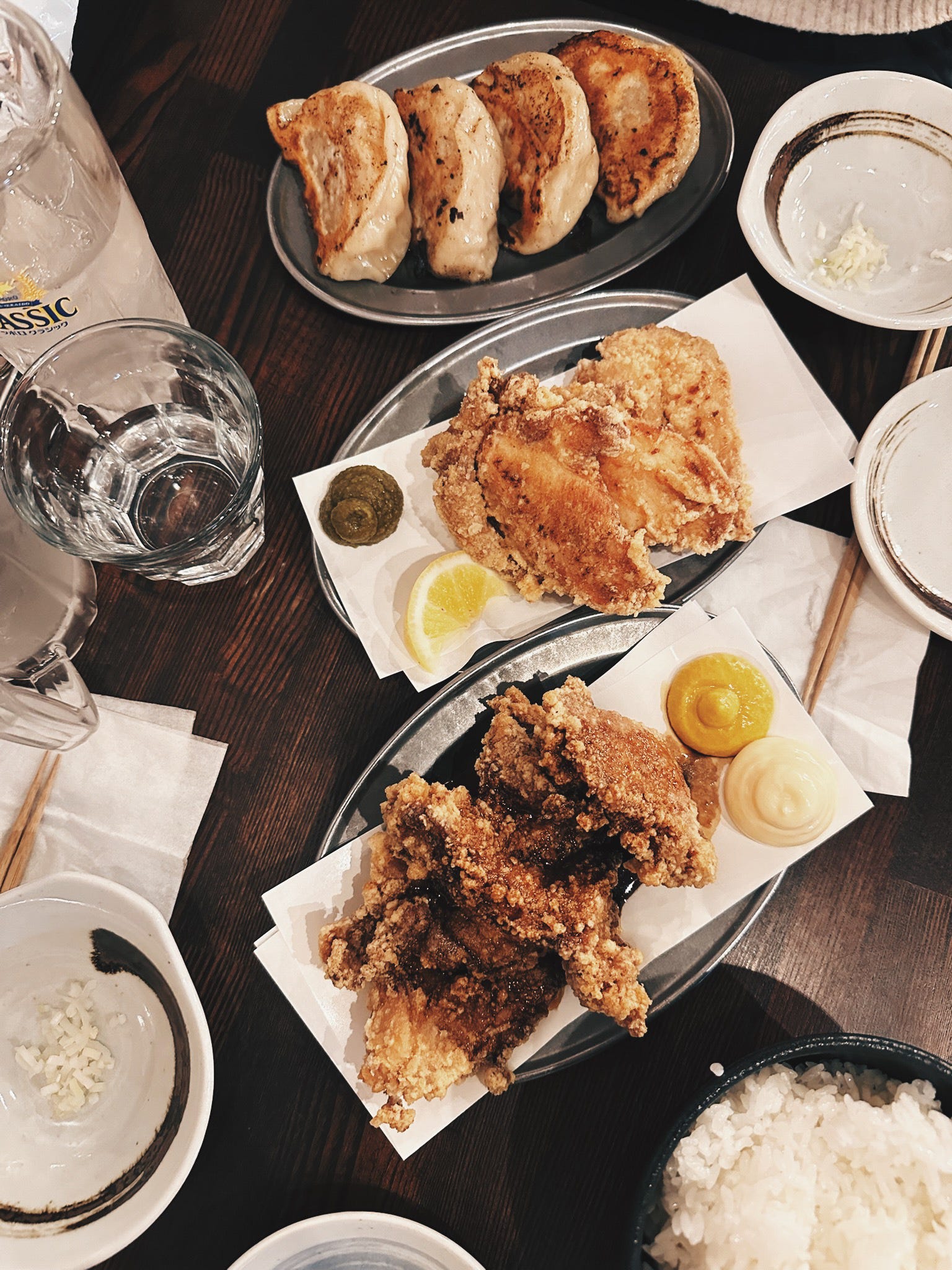
Zangi is Hokkaido’s answer to karaage. The chicken is seasoned before frying rather than after, creating a marinade that soaks into the meat. The result is juicier, more deeply flavored, and identifiably Hokkaido in the same way that Osaka’s takoyaki is identifiably Osaka. Sapporo Gyoza Seizo Sho Tanakiji Ten serves crispy zangi alongside gyoza and draft beer in a pub setting. Come here for a casual evening meal with a relaxed local atmosphere.
Open daily 11am–11pm. Zangi from ¥520. No reservations. Arrive early or expect a line for dinner.
Seico Mart
Lawson, 7-Eleven, and FamilyMart have dominated the convenience store conversation. Hokkaido’s own Seico Mart is missing from it but carries a particular intensity of regional loyalty. Stop here for the selection of Hokkaido ice cream and dairy products that offer a genuine education in what the island produces from standard vanilla through to Hokkaido corn.
The Return List
Reservations needing more time or circumstance than this trip allowed.
Serious French cuisine served in a dining room that references an intimate French bistro with ivory interiors and plush seats. Trained in Lyon, Chef Nakamichi uses French technique to explore the flavors from Hokkaido’s wealth of produce, fish, and meat. Restaurant Molière is credited as the first French restaurant in Sapporo. Dinner from ¥27,500. Reserve through hotel concierge.
A Hokkaido native, Chef Miyakawa’s omakase counter weaves local seafood into the progression rather than operating as a standard Tokyo-style sushi experience transplanted north. The restaurant has gained local acclaim for its high-quality fish, attributed to the chef’s personal visits with fishermen and his sourcing decisions that follow the season. Omakase from ¥32,000. Reserve through hotel concierge.
Ten seats. An omakase yakitori format built around Takasaka chicken, a breed created in Kobe from a project to produce Bresse chicken in Japan, alongside local produce. Higebozu is the only restaurant in Hokkaido serving this particular breed. Recommended to be enjoyed with wine, the approach provides a uniquely elevated take on a typically casual dish. Dinner from ¥18,000. Reserve up to two months in advance via Instagram DM.
The Edit
Moerenuma Park and Isamu Noguchi’s Glass Pyramid Hidamari
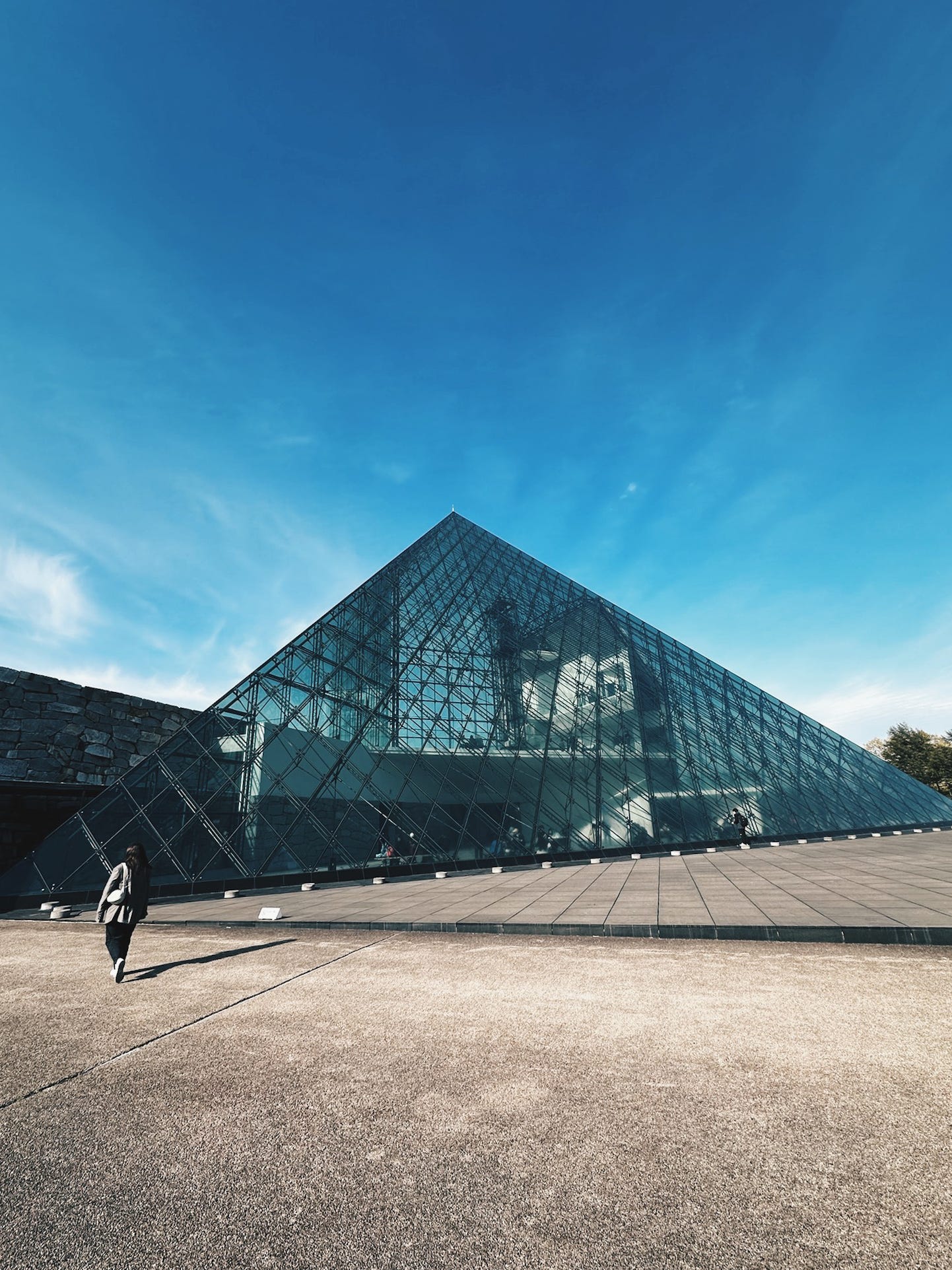
Isamu Noguchi spent the last decade of his life designing Moerenuma Park on the site of a former Sapporo landfill. The park opened in 2005 as one of the most significant works of landscape art in Japan. The entire site is the sculpture with grassy hills shaped into geometric landforms. At the park’s center sits Hidamari, the glass pyramid Noguchi designed as the park’s indoor gathering space. The pyramid now holds a shop carrying his akari lamp collection, the paper and bamboo lighting sculptures Noguchi designed in the 1950s as an accessible version of traditional Gifu lanterns.
The akari lamps are consistently sold out at more prominent retail locations in Tokyo. I found the specific lamp I wanted here, available without the back-order timeline I encountered elsewhere. There is something more intriguing about acquiring a Noguchi piece at Noguchi’s final work.
Allow a full morning for the park. Twenty-three minutes by car from central Sapporo, or approximately one hour via public transport.
Kitaichi Glass Building No. 3
Otaru
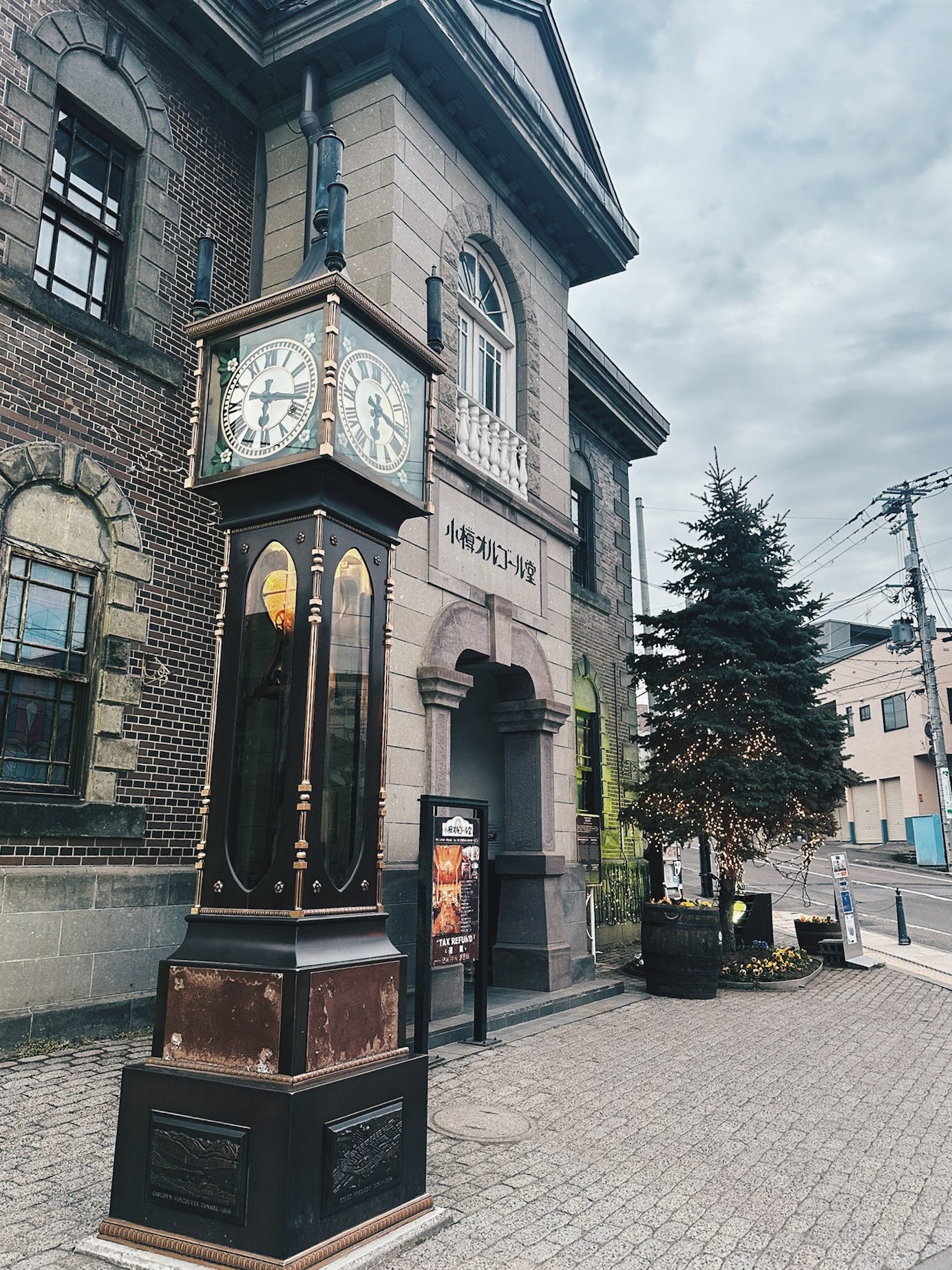
Otaru’s glass-blowing tradition developed during the Meiji era when the fishing industry required floats, lanterns, and vessels that local craftsmen produced using techniques they continued refining through the twentieth century. Kitaichi Glass operates multiple retail and museum locations in Otaru’s historic canal district, and the tourist-facing floors of the main buildings appropriately reflect the volume of visitors they receive. The second floor of Building No. 3 is the exception. Fewer visitors reach it. The curation is more considered, with refined sake sets and lamps that don’t appear on the floors below.
Le Tao
Otaru
Le Tao opened in Otaru in 1995 and developed the double fromage cheesecake most associated with Hokkaido dairy internationally. The flagship shop in Otaru’s canal district carries the full Le Tao product range, a café space overlooking the historic streetscape, and seasonal items unavailable in Le Tao’s smaller outposts, including, when available, the Maalu Gâteau Noir, a dark chocolate sandwich cookie worth seeking out specifically.
The Return List
Shops and showrooms that merit dedicated visits on future trips.
Sake brewing in Hokkaido uses Hokkaido-grown rice and snowmelt water from Mount Tengu for year-round production. Tanaka Sake produces in small batches for location-limited products.
A curated clothing and lifestyle store carrying Kiko Kostadinov, Marni, Comme des Garçons, and Jun Takahashi, alongside lifestyle objects selected with the same editorial approach as the fashion. The fact that this kind of shop exists in Sapporo rather than only in Tokyo says something about the city’s cultural ambitions.
On Planning
Sapporo warrants a long weekend on its own terms. Three nights gives you enough time to cover the essential ramen, seafood, and shopping experiences. As a gateway to broader Hokkaido travel, the city can anchor a full week. Noboribetsu’s hot springs are two hours south by bus. Niseko is two hours by car in the opposite direction and is best in deep winter for skiing or summer for hiking. The lavender fields at Furano are a two-hour drive east, most relevant late-June to early-August when the bloom peaks.
For those who know Sapporo well, what deserves deeper coverage on a return visit?
Notes on all prices in Japanese yen. Approximately ¥150 = $1 USD.
Eature is written for those who care about where they stay, why a place feels the way it does, and how travel fits into a life well-lived.
New here? Read about how Eature works
More Eature Guides: Tokyo | Kyoto | Osaka | Kobe | Nara & Uji | Sapporo | Chicago | Denver | Orange County