
VOL. II, ISSUE 12
Day One: The Quiet Side of Venice
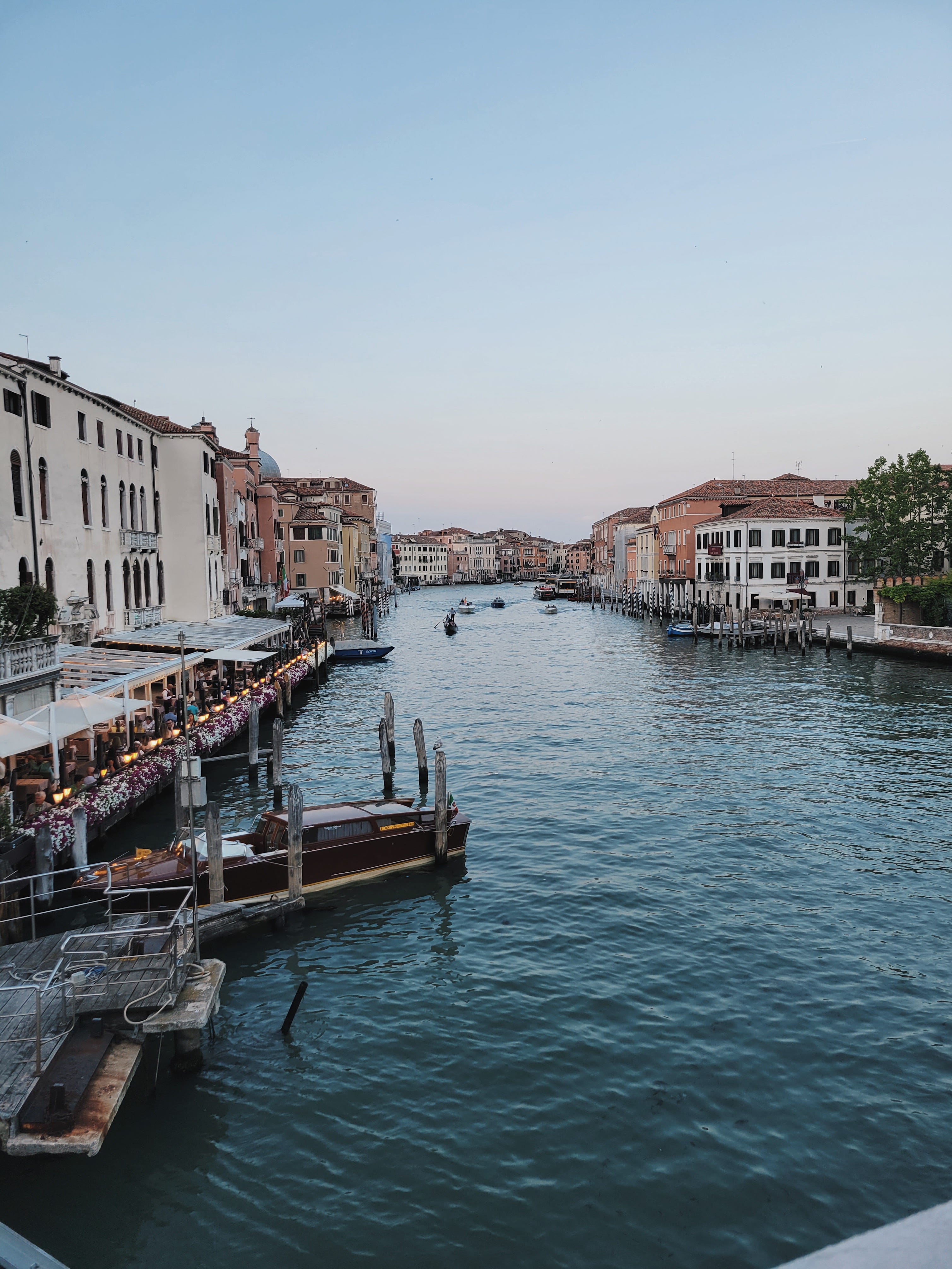
Venice lives on water.
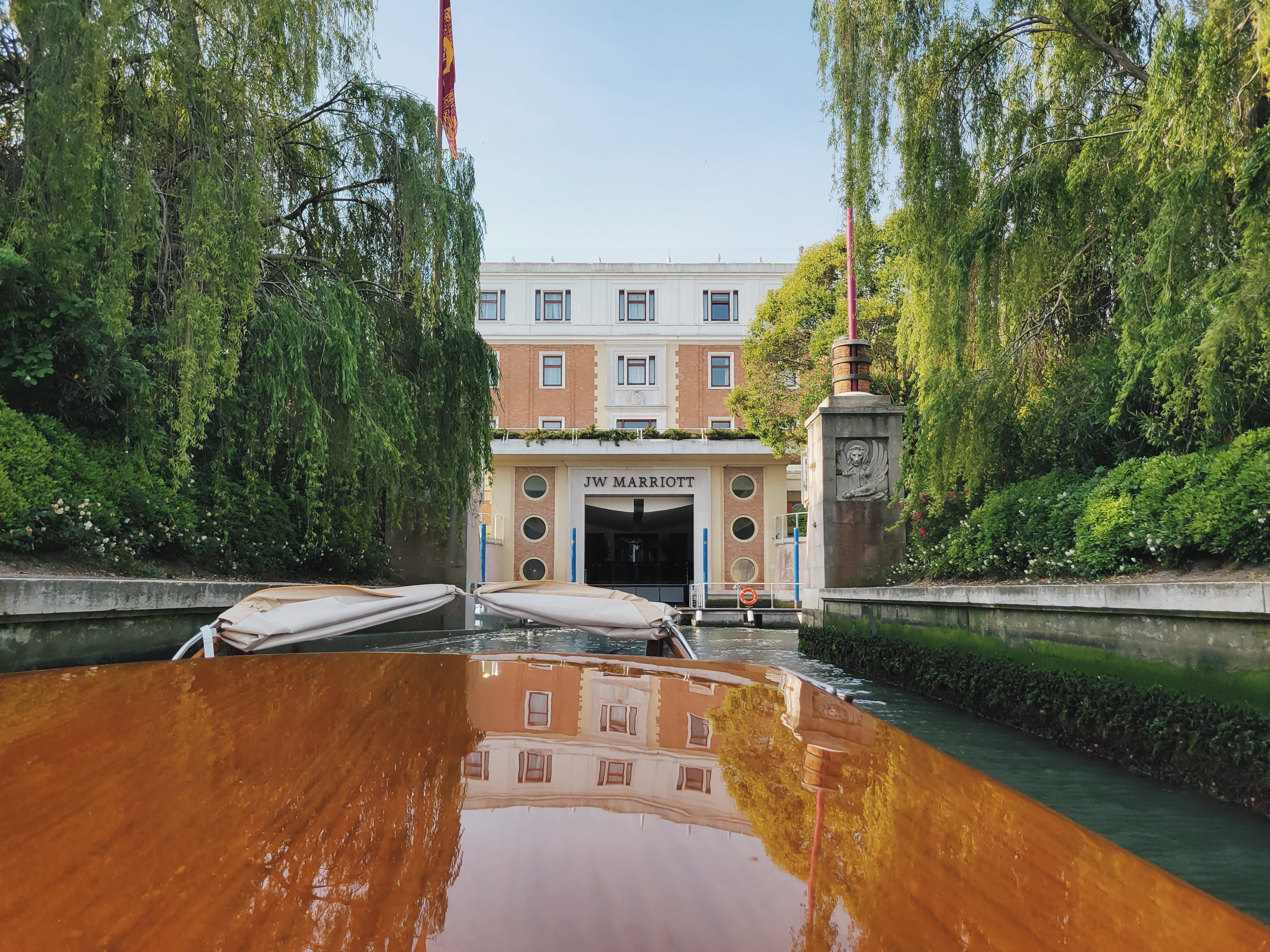
The boat crossed the blue lagoon toward Isola delle Rose as the terracotta rooftops surrounding Piazza San Marco faded into the distance. The air was the familiar humidity of Italian summer, but the breeze across the lagoon was refreshing. As I stepped onto the dock at the JW Marriott Venice, the crowds of the city center became a distant memory. My luggage disappeared toward my room, while I followed a path bordered by manicured lawns and bright summer blooms.
Jet-lagged, I drifted onto my balcony overlooking a grove of olive trees. Their silver-green leaves moved gently in the breeze, reflecting the afternoon sun. The only sound was their rustling. The canals and gondolas felt a world away.
It was an unexpected introduction to Venice.
I spent the rest of the afternoon wandering the grounds before dinner at Pizzeria Cucina, the hotel’s pizzeria. This was the first pizza of several this trip. Golden dough topped with fresh mozzarella and fragrant basil rounded out the serenity of the day.
Day Two: Glass and Lagoon
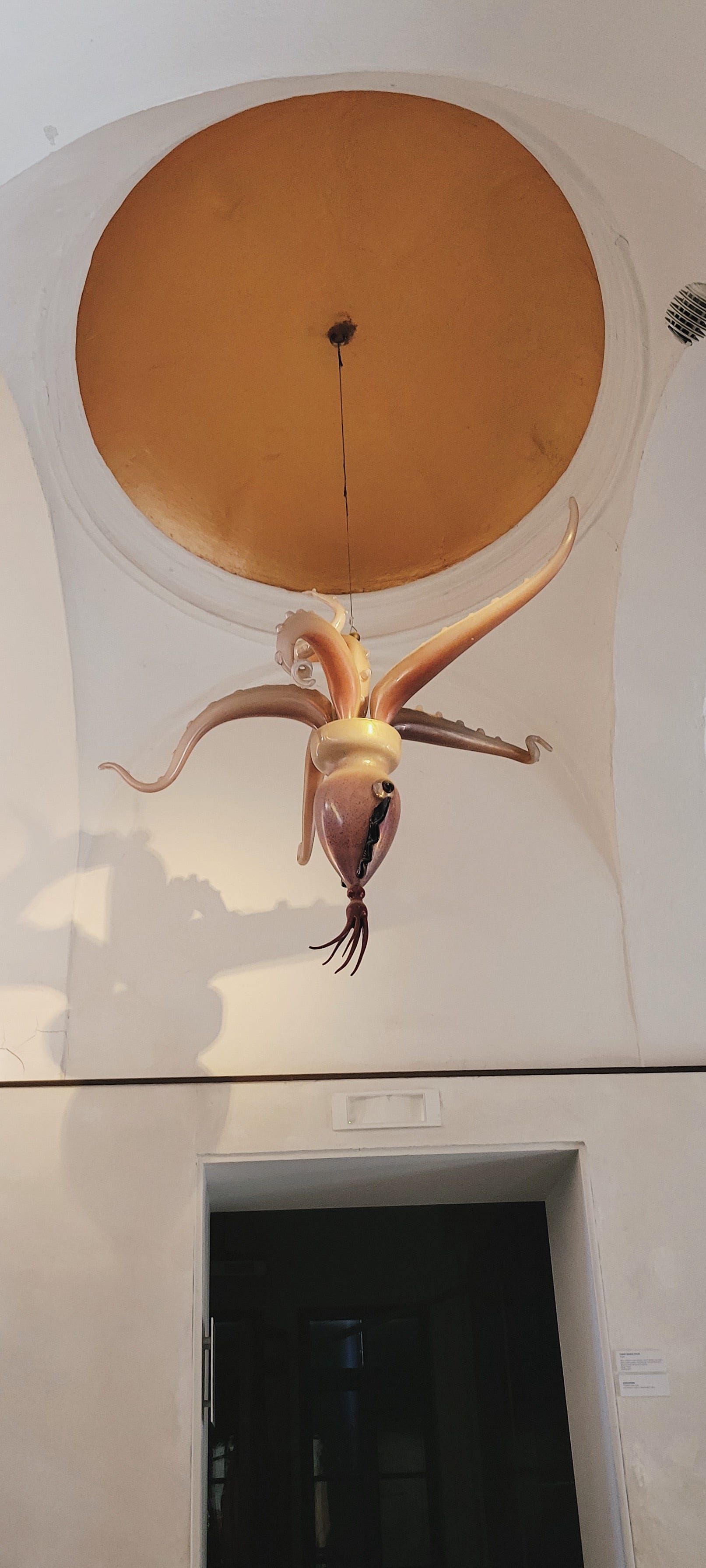
The day began with espresso, fruit, cured meats, and local cheese at Cucina, followed by a boat beyond Venice proper to Murano, the center of Venetian glassmaking since the late thirteenth century.
I began at the Murano Glass Museum, where centuries of Venetian craftsmanship unfolded through chandeliers, goblets, mirrors, and sculpture. From there, I wandered along the canals into workshops and shops, leaving with a piece or two of my own.
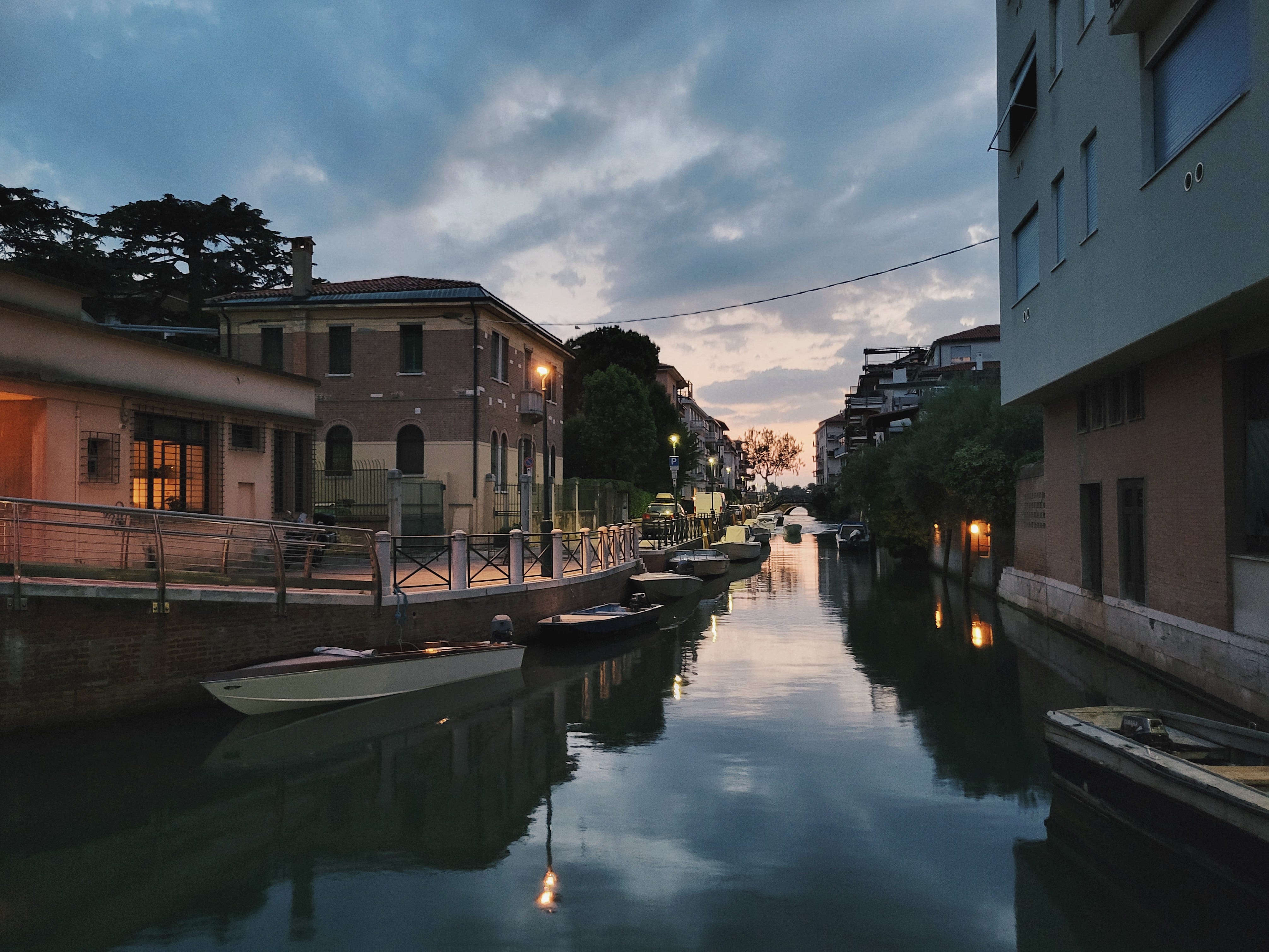
The afternoon brought me to Lido, which felt like an alternative version of Venetian life. Wide streets and cars replaced narrow canals and boats. Beyond them, the Adriatic Sea stretched past a long band of beach.
The island was quieter and slower. I strolled its residential streets until I found a small trattoria for dinner, followed by a local gelateria chosen for a sign promising nocciola in the window.
Day Three: The Well-Known Venice


Eventually, every first visit to Venice leads to Piazza San Marco. I felt the same obligation.
The façades of Basilica di San Marco and the Palazzo Ducale have become symbols of Venice itself, but it was the interiors that have left a lasting impression. Inside the Basilica, golden mosaics illuminated its domes. Next door, the Doge’s Palace replaced religion with politics. Intricate gold molding framed vibrant murals on vaulted ceilings, catching light from every direction. Each was designed to communicate the authority of the Catholic Church and the Venetian Republic.
Through narrow windows, the green-blue water of the lagoon remained a constant reminder that the city’s power and wealth came from the sea.
Dinner followed the same sense of ceremony.
At Enrico Bartolini’s Ristorante Glam, the evening unfolded over nearly three hours with guests seated at only six tables. Lagoon seafood, pigeon, fresh vegetables, and the signature Acquadelle in Salsa. Course after course quietly challenged the idea that “Italian food” is a single cuisine. Venetian cooking is to Venice as Champagne is to Champagne and Parmigiano Reggiano is to Emilia-Romagna. Geography shapes the ingredients and flavor.
Day Four: The City of Glass and the City of Lace
After another morning near Piazza San Marco, I found myself boarding a boat back to Murano in search of a slower pace. More glass acquisitions followed before I continued on the Vaporetto farther into the lagoon toward Burano.
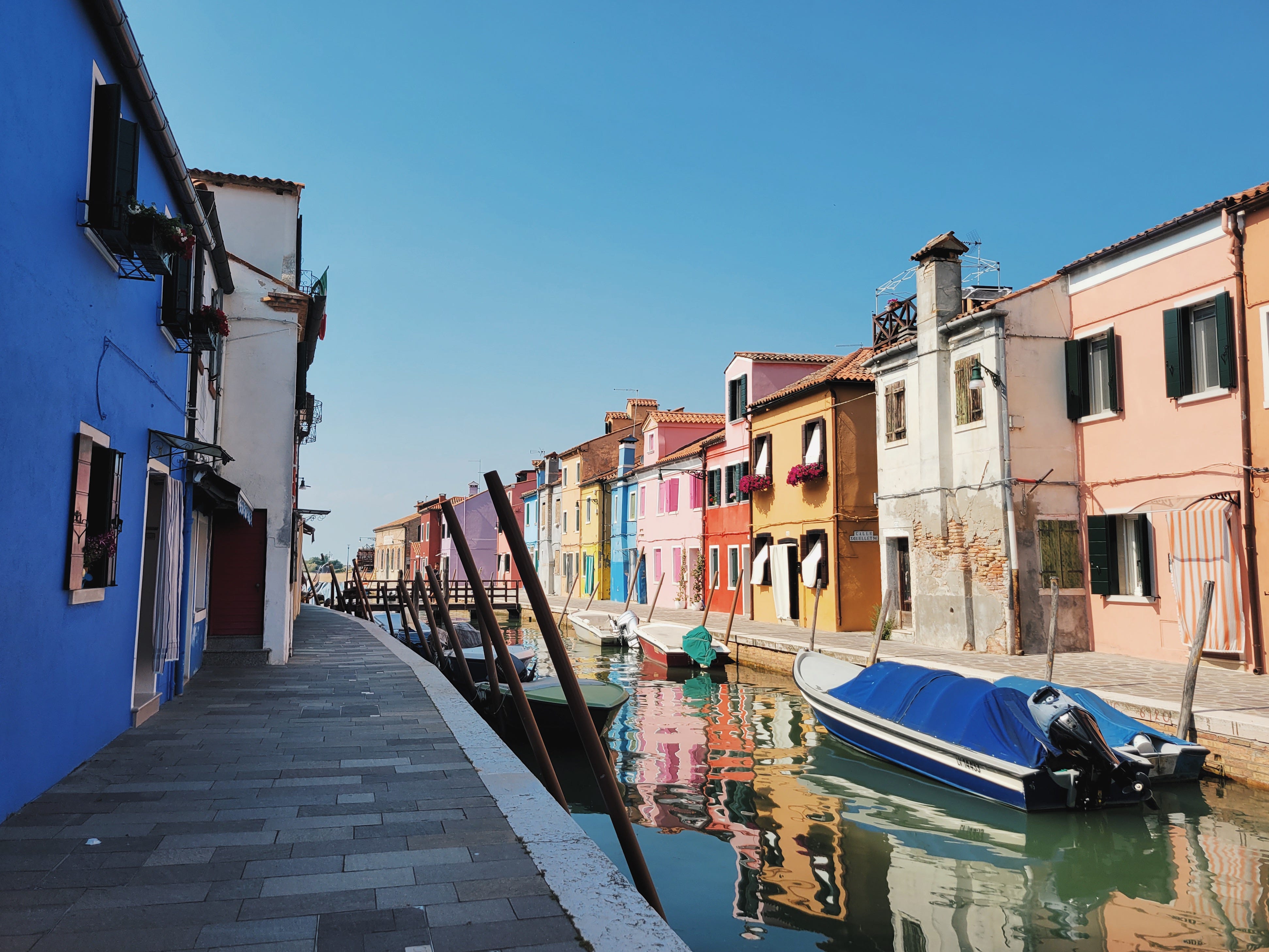
The brightly painted houses attract nearly every visitor, but I spent longer inside Emilia Burano than I did photographing the façades outside. Running my hand across tablecloths edged with lace and embroidered napkins offered as much of an education in Burano’s craft tradition as the nearby lace museum.
Dinner that evening came from a small pizzeria tucked along one of Venice’s narrow cobblestone streets on the return from Burano.
Day Five: Beyond the Lagoon
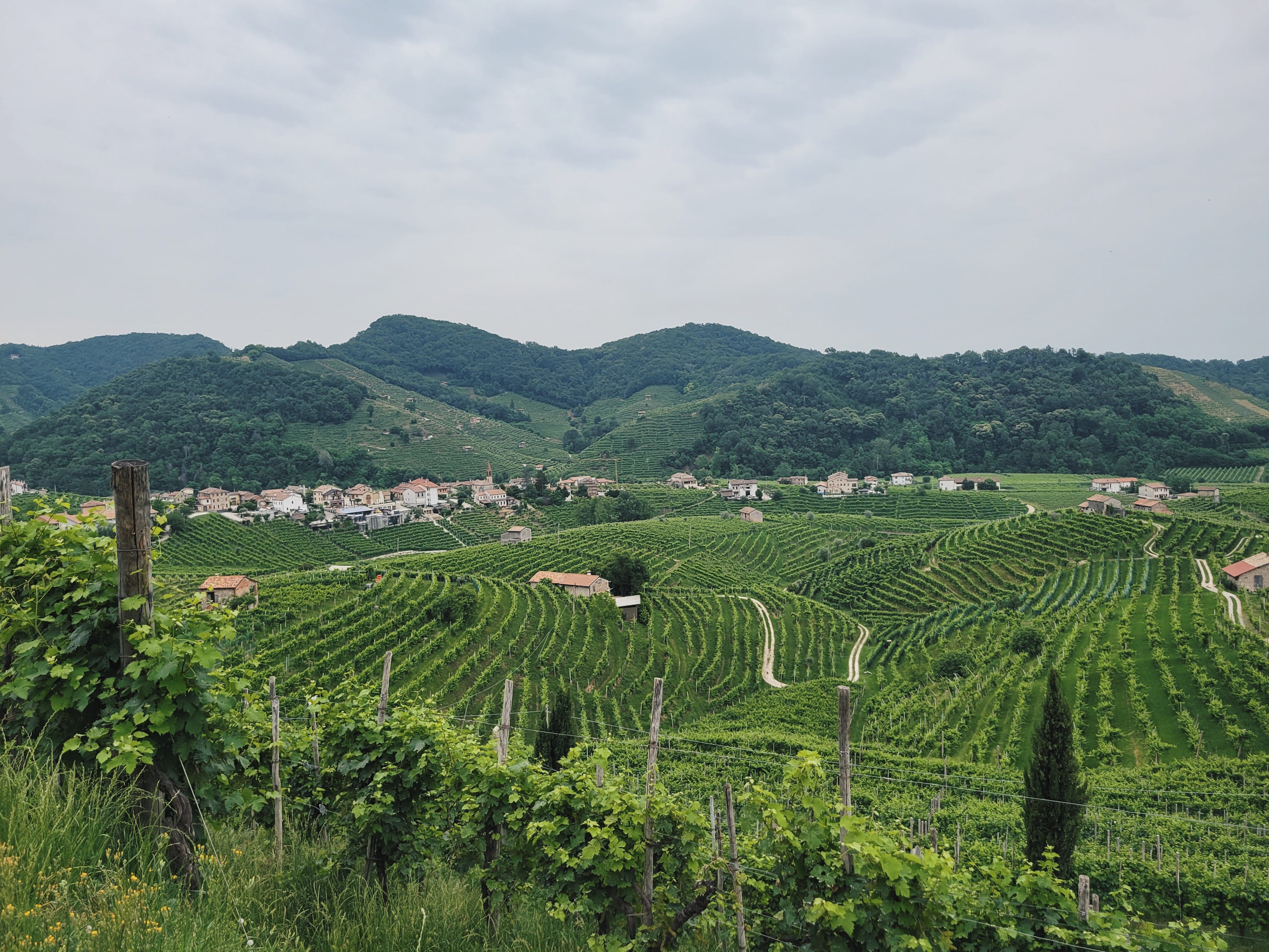
Veneto extends beyond the canals.
A water taxi that felt more like a private speedboat carried me across the lagoon. Water then turned into winding roads through the hills of Conegliano and Valdobbiadene, where Prosecco Superiore DOCG is produced.
Our small group visited family-run vineyards with tasting rooms beside the vines rather than inside expansive visitor centers. The experience felt refreshingly understated, emphasizing farming, fermentation, and generations of local knowledge over entertainment.
L’Antica Quercia was the standout. Its Sū Alto, fermented in the bottle and preserved on its lees, was slightly hazy and dry. The crisp wine arrived beside a spread of local meats and cheeses, a welcome contrast from the humidity.
Dinner was back at Pizzeria Cucina, ending the day as the week had begun.
Day Six: Walking Without a Purpose
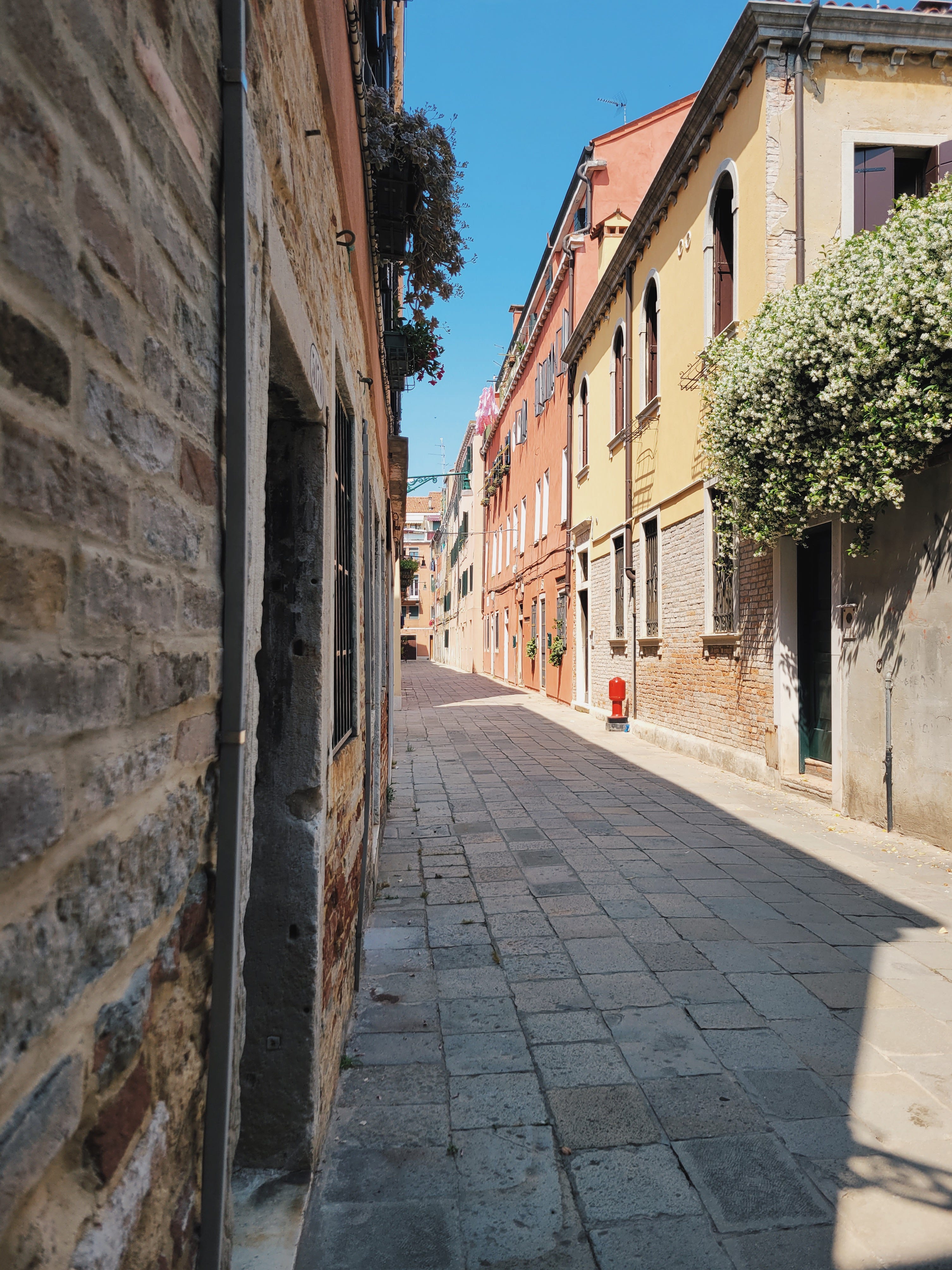
I left my final full day completely open. There was no list. I crossed whichever bridge looked interesting and whichever narrow street caught the light.
I crossed Rialto, wandered past the Venice Ospedale complex, and followed the water’s edge until I returned to Piazza San Marco. Venice continually interrupted the route with another bridge, flight of stairs, or canal.
Looking back, I remember Venice most clearly for the materials that built it rather than the landmarks it’s known for. Colored glass reflecting light in Murano. Golden mosaics inside Basilica di San Marco. Monumental paintings framed by gilded ceilings in the Palazzo Ducale. Hand-worked lace and heavy linen in Burano. Olive trees moving outside my balcony across the lagoon.
Water moves you through Venice, but its craftsmanship stays with you after you leave.
A week in Venice, as it turns out, is close to the right amount of time, though I would take it slower next time. Murano and Burano each deserve a full day rather than sharing. I would return to the hills of Conegliano and Valdobbiadene, and I would add a second day in Veneto wine country for Valpolicella and its Amarone. I would keep one day completely open for wandering Venice proper and reserve one final day for rest and reflection at the hotel.
Explore Volume I: Tokyo | Kyoto | Osaka | Kobe | Nara & Uji | Sapporo | Chicago | Denver | Orange County