
VOL. II, ISSUE 15
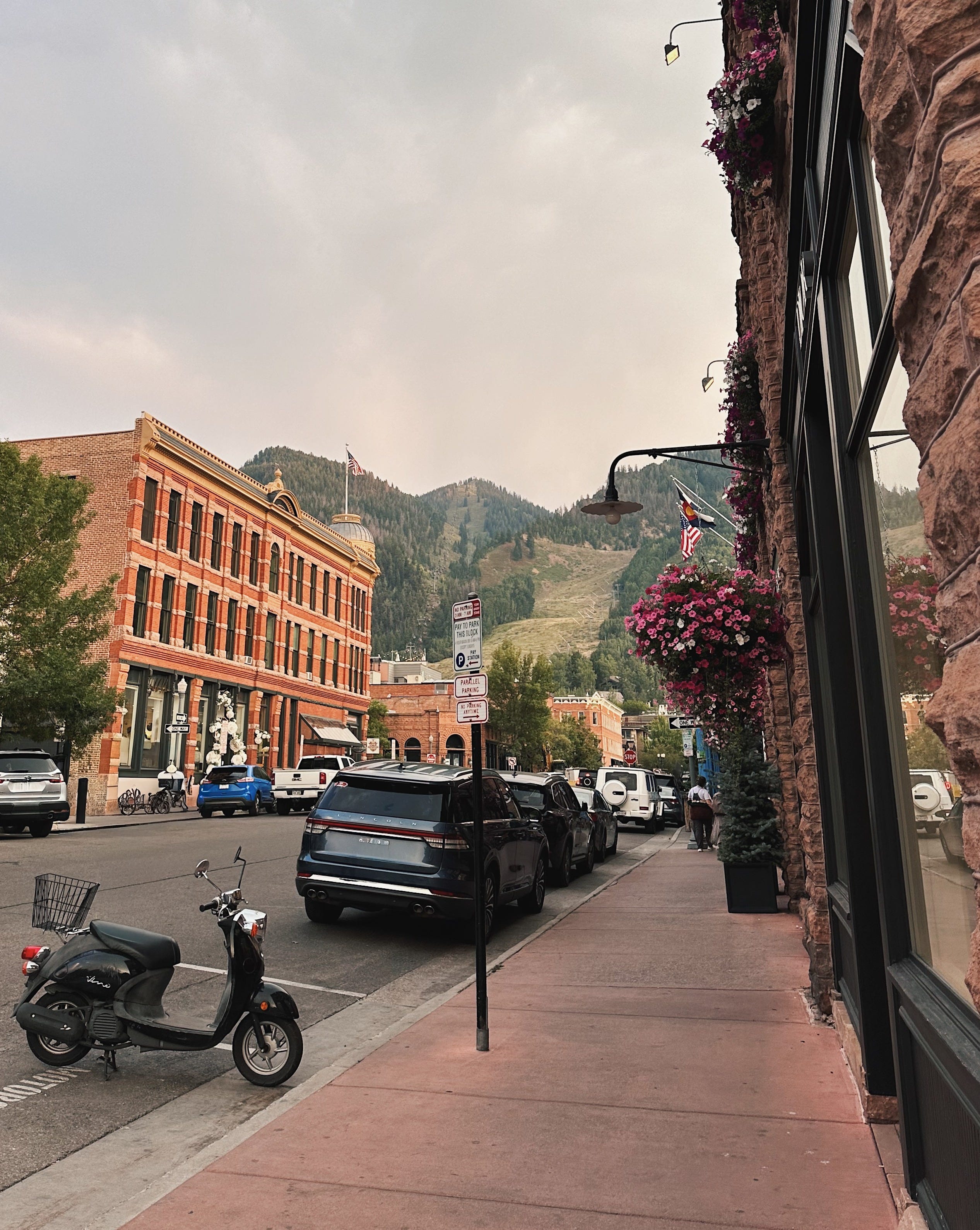
I first visited Aspen in August. Evergreens surrounded compact blocks of red-brown brick storefronts. Hotels and condos fanned out from the town center, with trees interspersed between them. The streets were quiet. The sun was bright, but a cool breeze carried a scent of pine through town.
The quiet reminded me of other mountain towns I had visited, including Beaver Creek, Vail, and Telluride. However, unlike those towns, familiar names dominate Aspen’s shopping and dining scene. Dior, Louis Vuitton, and Hermès occupy some of the most prominent storefronts. Sant Ambroeus, Casa Tua, and Matsuhisa belong to the same polished world that I had encountered in other cities.
I did not expect how little that commerciality affected the experience. In summer, green mountains surround the emptier streets, and dinner is served on patios under starlight. The contrast between the rugged landscape and polished hospitality feels unexpectedly soothing. It was the most interesting part of Aspen for me.
The Value of Staying in Town
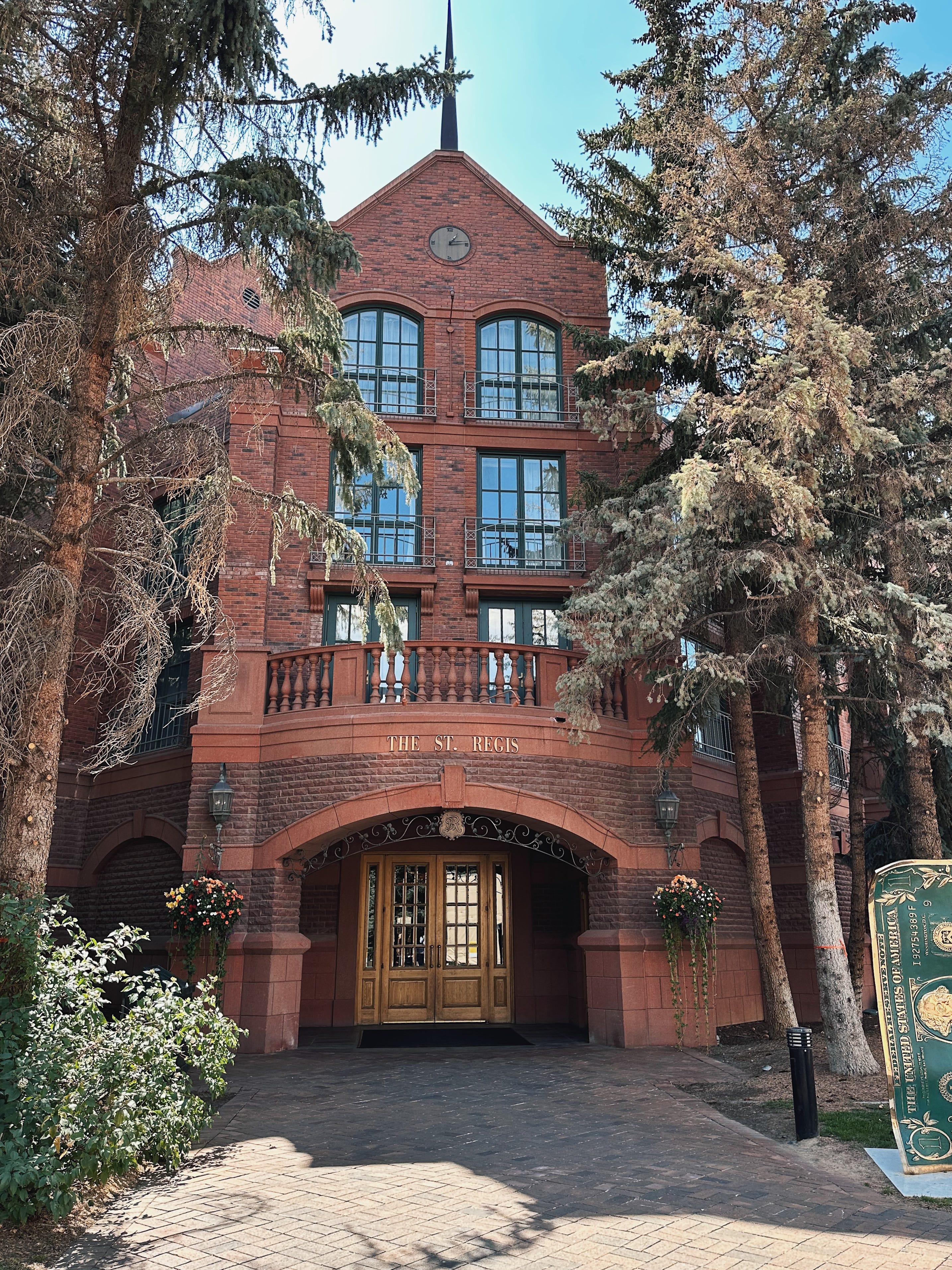
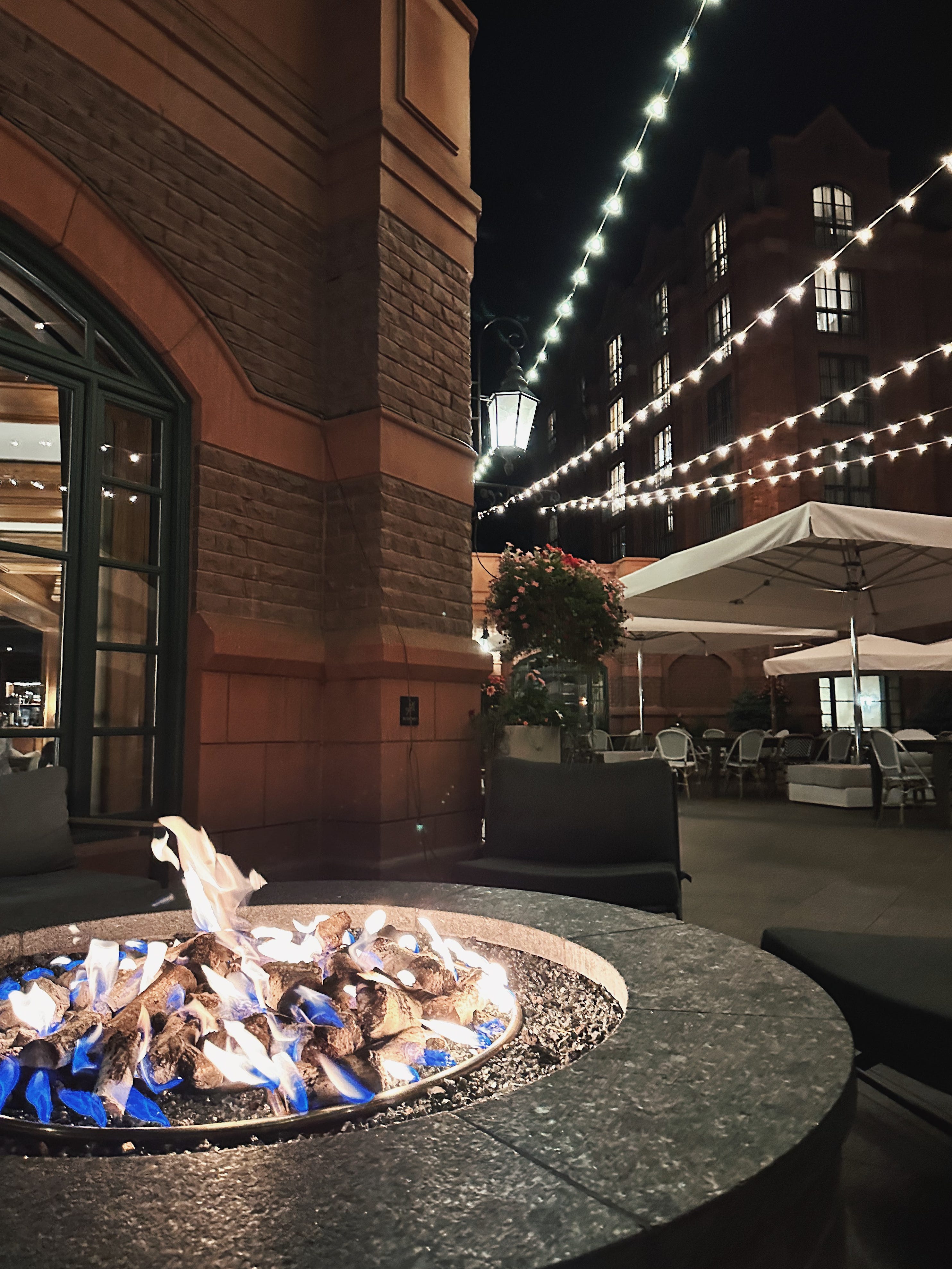
The St. Regis Aspen Resort lives up to its reputation with attentive service, marble bathrooms with deep soaking tubs, and a courtyard with a fire pit and several whirlpools. Chlorophyll water on arrival is a thoughtful touch. The hotel will also bring s’mores and a portable flame anywhere on the property, which is a simple pleasure worth ordering at least once.
But what I valued most about the St. Regis was its location in town. It makes the transitions between nature, shopping, and dining effortless. The walk became a refreshing daily ritual and gave me more time to appreciate the atmosphere.
I would prioritize the location over a longer stay. Aspen’s summer experience feels particularly concentrated around town. For this trip, a long weekend felt like enough time to enjoy the landscape and hospitality.
When Familiarity Works
I usually prioritize dining experiences built on local cuisine. In Aspen, this didn’t make as much sense. Several of the most prominent restaurants in town originated elsewhere, from Miami to Milan, although not all of them justify the premium attached to their Aspen locations.
Sant Ambroeus is an example of an international establishment feeling unexpectedly at home in Aspen. Its expansive patio allowed me to appreciate the surrounding landscape. The Italian café is suited to chatting with friends over its signature Gianduia or sitting alone with a paninetti and espresso. The patio also features a gelato stand in the summer. The combination feels surprisingly natural in Colorado. Sant Ambroeus became one of my daily rituals during the trip.


Casa Tua fit similarly into Aspen’s polished social environment. The cacio e pepe balanced cheese and pepper over tender noodles with just enough chew. The service lived up to the premium. An elegant, rustic interior adapts the experience to the mountain setting, while the outdoor space plays into Aspen’s patio culture.
White House Tavern was a different kind of familiar dining. Although the restaurant itself is unique to Aspen, it is operated by Hillstone Restaurant Group, which runs recognizable restaurants across nine states. It occupies an 1883 miner’s cottage and serves American comfort classics. The environment feels livelier and more relaxed than many of Aspen’s dinner options. Despite the rustic setting, the experience still feels polished, embodying Aspen’s tension between history, ease, and luxury within a single meal.
However, not all familiar names live up to the premium. Catch Steak and Jing both carried Aspen pricing, but the food wasn’t particularly memorable. For the price point, I expected exceptional cooking, welcoming hospitality, and an atmosphere reflective of the surroundings. Both restaurants seemed to be lacking on all three fronts during my visit.
When History Is Not Enough
J-Bar Aspen was another promising experience. Its wood interior, pared-back chandeliers, and rich brown leather seats play into the history of the bar and adjacent Hotel Jerome. The menu also feels appropriate to the environment. During my visit, however, the service detracted from the overall experience. At this price point, attentive service is non-negotiable.
The Boutiques Create the Atmosphere
I came to the same conclusion while shopping. The designer boutiques help establish Aspen’s atmosphere. The household names behind historic brick facades make the walk through town feel different from other towns in the Rocky Mountains, but that doesn’t translate to more valuable inventory.
At Dior, I was more interested in the incongruity of the boutique with the mountains than in buying something that was also available in my local neighborhood. The store adds to the visual pleasure of Aspen but doesn’t necessarily justify a purchase.
I stopped seeing familiarity as an inherent weakness in a luxury destination. In Aspen, the recognizable names create ease while contributing to the polished atmosphere that the town is known for. The more interesting question was whether Aspen changed the experience of the familiar.
What the Premium Actually Buys
So, is Aspen worth the premium in summer? For a short stay, yes. Paying to participate in the atmosphere makes sense for those who value proximity to nature and the comforts of luxury hospitality. However, I would not pay more simply because something lives in the 81611 zip code.
In summer, Aspen’s premium is most worthwhile when it buys access to the town and its atmosphere. I would return for the quiet green mountains, the walkable streets, and evenings beside the fire. I would spend on a hotel that made the town part of my daily routine and on meals that felt inseparable from Aspen’s charm. Those were the choices that allowed shopping, dining, and nature to coexist within a restorative weekend.
The rest is familiar luxury in a beautiful place.
Explore Volume I: Tokyo | Kyoto | Osaka | Kobe | Nara & Uji | Sapporo | Chicago | Denver | Orange County