
VOL. II, ISSUE 13
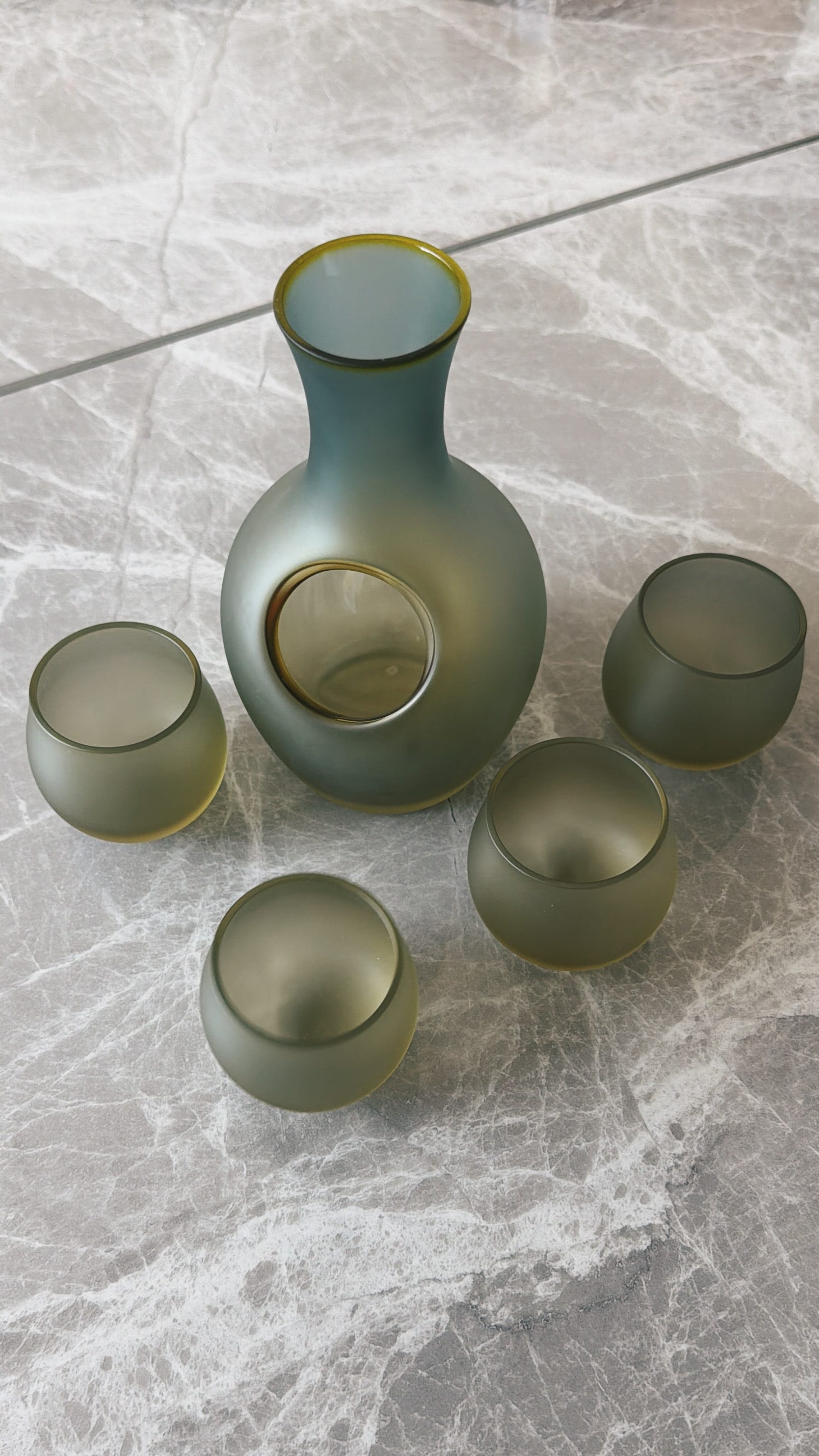
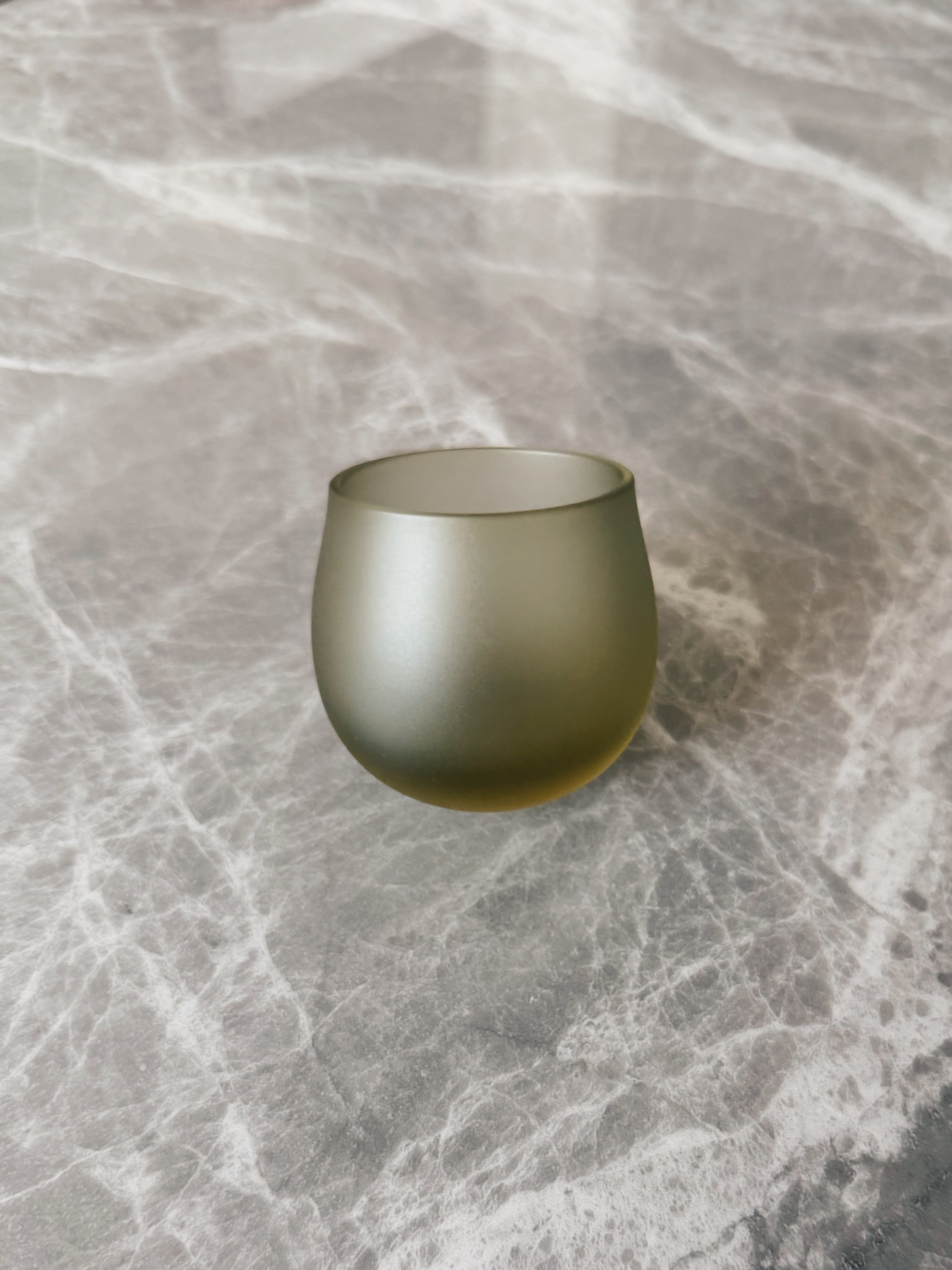
The cup never sits completely still when I first place it on the table. Its curved base creates a subtle rocking motion before the glass finds its balance. It belongs to a sake set made of frosted green glass accompanied by a small carafe in the same frosted finish.
I found the set in Otaru, a port city less than an hour train ride from Sapporo. I went for the kaisendon. Otaru’s proximity to the water made a rice bowl topped with fresh uni and glistening Hokkaido crab reason enough for the journey. I expected a quiet afternoon wandering along the canal to follow lunch, but instead found a town shaped by its craft.


Glass vessels filled shop windows. Music boxes played from crowded shelves. Former commercial buildings along the canal preserved the atmosphere of an international port city during the early twentieth century.
Having recently walked through Murano, Otaru’s canal and glass felt familiar. In both towns, shop windows had transformed a local industry into a cultural identity, but Otaru felt quieter and more practical. From kerosene lamps to fishing floats, its glass tradition stemmed from necessity instead of the ornate pieces in Murano.
As electricity became more widespread and Otaru’s herring industry declined, demand for the practical objects faded, and glassmakers shifted to producing vases and drinking ware.
As I explored the town, I wandered into Kitaichi Glass, which was established in 1901. Colorful sake cups and ornate lamps sparkled on the first floor, but it was the subtler frosted green set on the quieter second floor that caught my attention.
The color was reminiscent of sea glass. The simplicity of the carafe stood out among the nearby pieces covered in painted blossoms and mountains. Upon closer inspection, I noticed that the cups gently rocked when touched. The movement made the set feel contemporary and distinguished it from the souvenirs that rely on recognizable motifs.
I could already see it on my dinner table, paired with my charcoal ceramics.
Over several trips to Japan, sake had become a recurring feature of my itineraries. From restaurant pairings and brewery tastings, I learned how temperature and region could change what I tasted in the glass.
The Otaru set gave me a way to continue learning at home.
Since then, bottles from tastings in Kobe and dinners in Tokyo have found their way into the frosted carafe. I can revisit what I tasted and experiment with what to serve alongside it.
Now, when I serve sushi or steak, I choose a bottle for the meal and pour it into the carafe, adding ice to the chamber in the center to keep the sake chilled. The rocking cups introduce a little movement to the table. They are often the beginning of a conversation about Hokkaido or sake itself.
Perhaps that is what separates the souvenirs that are stored in a cabinet from the ones that truly make it home. They do more than preserve a life we briefly experienced somewhere else. They become part of a new ritual shaped by the people gathered around them.
Explore Volume I: Tokyo | Kyoto | Osaka | Kobe | Nara & Uji | Sapporo | Chicago | Denver | Orange County